NST Leader: When petrol pit stops prove perilous
WAS it some weakness in the supply chain or unscrupulous businesses trying to cash in on our heavily subsidised RON95 petrol? News of contaminated petrol in some northern states in the peninsula and the damage it caused to motor engines has been widely reported.
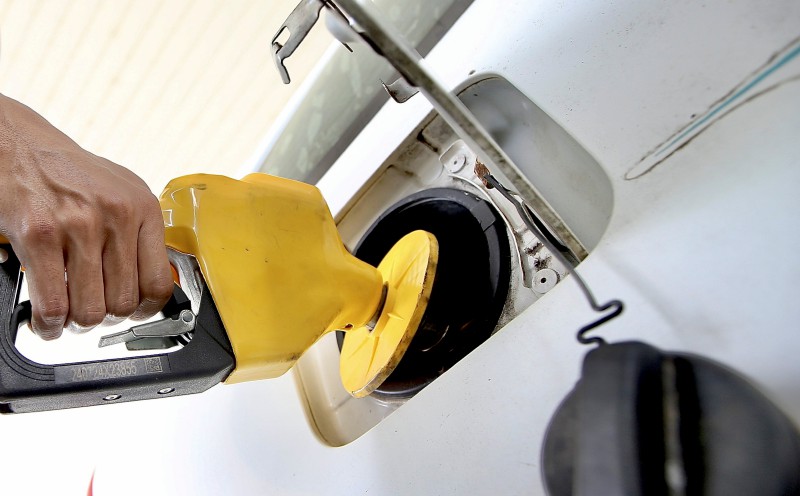
The recent reports of contaminated petrol in northern Malaysian states have raised concerns about the integrity of the supply chain. The Petrol Dealers Association of Malaysia noted that it is unlikely for station owners to purposefully adulterate their petrol, as it would not benefit their businesses and could harm customer confidence.
The Domestic Trade and Cost of Living Ministry has launched an investigation into the fuel supply chain, aiming to determine whether the incidents are isolated or linked to broader issues. While laboratory testing is crucial, there must be a timeline for results, regular public updates, and swift disclosure of findings. If contamination is confirmed, those responsible should face appropriate consequences, including accountability for all parties involved in fuel storage, transportation, and distribution.
Consumer protection is paramount, and those whose engines were damaged by contaminated petrol deserve a clear path to compensation. The authorities should also consider more frequent inspections, stricter maintenance requirements for underground storage tanks, and robust monitoring of fuel quality throughout the distribution process.
Reports indicate that the issue may have spread to Selangor, where authorities have collected fuel samples from a petrol station in Sungai Buloh. The results of these tests have not yet been released. Ensuring consumer confidence in RON95, the subsidized fuel that most Malaysian motorists rely on, is of utmost importance. The government's subsidy comes at a significant cost to ease the rising cost of living for households.
As the investigation progresses, there should be no room for complacency in uncovering the truth to prevent further erosion of consumer trust.
Written by urgent.news from New Straits Times's reporting — not their text. Machine-written — may contain errors; check the original before relying on it.