New Research Resolves the Mystery Behind Van Gogh's The Starry Night
The sky in Vincent van Gogh’s The Starry Night (1889) matches, in both observation and shape, the pre-dawn sky over Saint-Rémy around 22 July 1889, when a waning crescent moon, Venus and the Hyades star cluster appeared close together, according to a study published inScientific Reports.
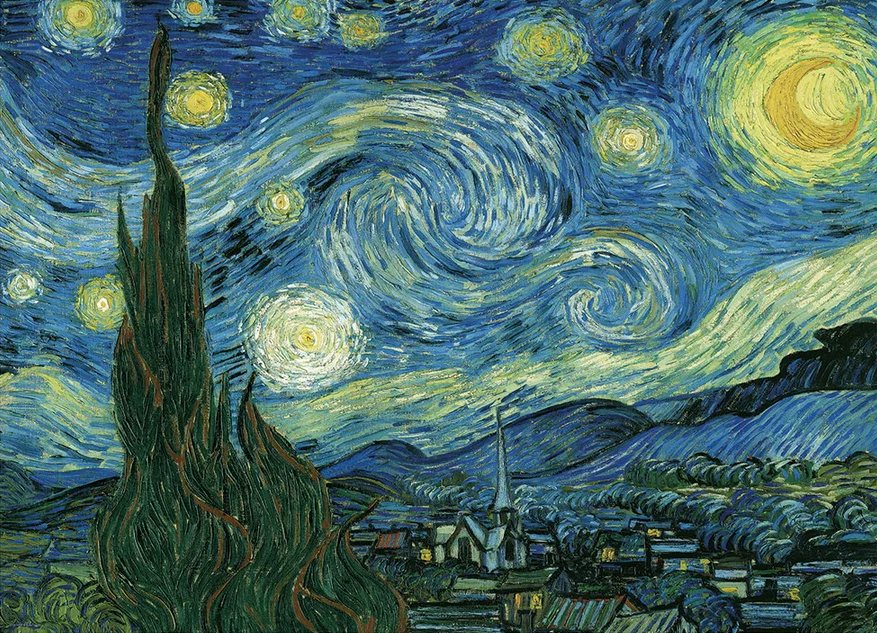
A recent study conducted by SLLAB, a South Korean telescope manufacturer, and the School of Space Research at Kyung Hee University resolves the longstanding mystery surrounding Vincent Van Gogh's iconic painting, The Starry Night. The research, published in Scientific Reports, confirms that the painting presents a realistic depiction of the night sky over Saint-Rémy, where Van Gogh painted it in July 1889, rather than being a spontaneous creation in the early morning hours.
The team's findings narrow down the possible dates for the painting to around July 22nd, when the Moon was a crescent and the Hyades star cluster would have been visible in the east alongside Venus. This contradicts previous studies that dated the painting to June 18th, 1889, when the Moon was in its waning gibbous phase, and did not match the crescent in the painting.
The research, led by Elijah Jeong-hyun Kim, builds upon his previous work and relied on field trips to France in 2019 to gather additional evidence and quantitative data. The methods used in this study could potentially be applied to other historical night paintings, fostering collaboration between astronomers and art historians.
Kim hopes that this work will encourage a renewed, multidisciplinary approach to understanding Van Gogh's Saint-Rémy paintings and his activities during that summer.
Written by urgent.news from Universe Today's reporting — not their text. Machine-written — may contain errors; check the original before relying on it.