MIT engineers design a safer, more efficient vaccination system for farmed fish
Water-resistant microneedles made from food-grade silk could deliver vaccines to help prevent the spread of disease in aquaculture.
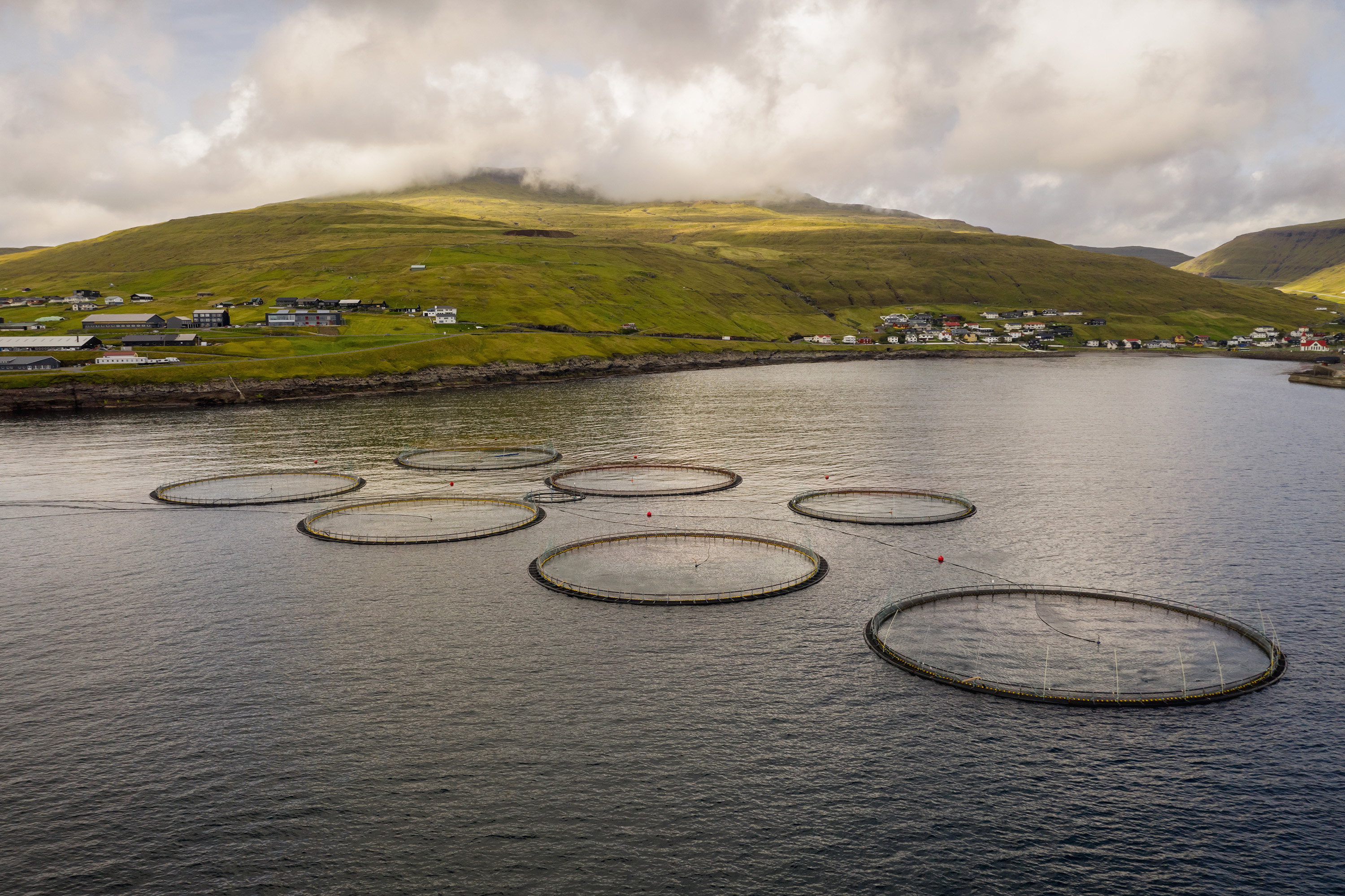
Farm-raised fish are becoming a vital food source worldwide, but disease outbreaks pose significant challenges for aquaculture. Traditional vaccine methods using metal needles involve sedating and handling fish, which is labor-intensive, risky, and stressful for both the fish and workers. A team of MIT engineers and USDA researchers has developed an innovative solution: water-resistant, food-grade microneedles that can gently penetrate fish skin and remain attached before decomposing.
This new approach, described in the ACS Nano journal, could provide farmers with a more precise and efficient tool for maintaining fish health.
Benedetto Marelli, a professor in the Department of Civil and Environmental Engineering, emphasizes that aquaculture can play a crucial role in feeding the growing global population and improving nutrition. The research team, including Meng Li and Jad Raad, has successfully adapted silk microneedle technology for underwater use in fish. The microneedles are coated with shellac, an insect-secreted resin, to create a moisture barrier that keeps them intact during water exposure and allows for controlled vaccine release.
The researchers demonstrated that the microneedles can store a variety of vaccines, including a DNA vaccine for rainbow trout, and showed that they can maintain the vaccine's structure for extended periods. This development offers several advantages over traditional methods, such as reduced labor, lower risk of disease transmission, and the ability to operate without cold chain infrastructure.
By providing farmers with a safer and more efficient vaccination system, the researchers hope to contribute to more sustainable and reliable fish production.
Written by urgent.news from MIT News Research's reporting — not their text. Machine-written — may contain errors; check the original before relying on it.