Military explores commercial 5G networks for enemy drone defense — AI agents developed the system recently used in battlefield trials in Latvia
The military is looking at leveraging commercial 5G networks to sense and track drone incursions.
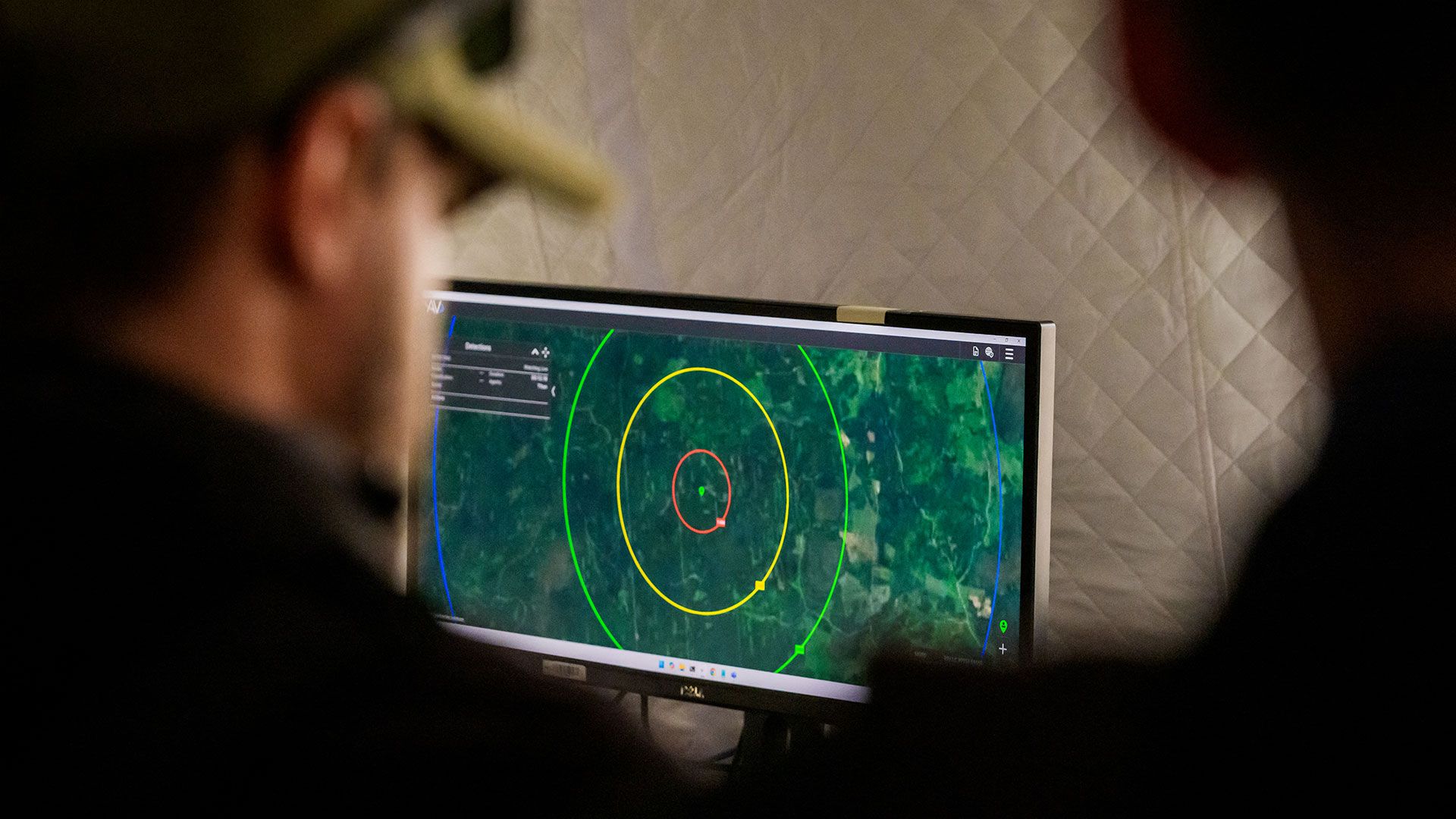
The military is investigating the potential of using commercial 5G networks to enhance battlefield sensing, with a focus on drone detection. Two instances of repurposing existing communication infrastructure have been highlighted: a NATO trial in Latvia and an AT&T and Ericsson demonstration in the United States. In Latvia, NATO conducted the Digital Backbone Experimentation exercise (DiBaX 2026) from October 19 to 30, employing AI agents to explore whether 5G towers could passively detect and track drones.
The objective was to leverage existing large-scale telecommunications networks for national security and resilience. The AI-powered system integrated different systems, overcoming interoperability barriers, enabling quick and efficient communication. Three methods of utilizing commercial 5G were tested in the Baltic country, alongside the United States, Canada, Germany, Finland, Lithuania, and other allies.
While some tests did not succeed, valuable lessons were learned. In the United States, AT&T and Ericsson showcased drone detection using advanced network sensing over a 5G network near AT&T Stadium in Arlington, Texas. The system successfully detected and located multiple drones flying at altitudes between 300 and 400 feet within the coverage area.
This technology has the potential to support low altitude threat detection and tracking around major venues, public spaces, and complex environments. If successful, 5G (and 6G) drone sensing networks leveraging commercial masts could prove to be an effective and low-cost solution for defense purposes.
Written by urgent.news from Tom's Hardware's reporting — not their text. Machine-written — may contain errors; check the original before relying on it.