Land ownership disputes hinder climate project financing – CBG Sustainable Financing head
Land ownership disputes and inadequate documentation are making it difficult for financial institutions to support nature-based climate projects in Ghana, the Head of Sustainable Financing and Impact at Consolidated Bank Ghana (CBG), Eva Ackuaku, has said. She said the challenges were particularly pronounced in communities where land was held under complex family ownership arrangements, making […]
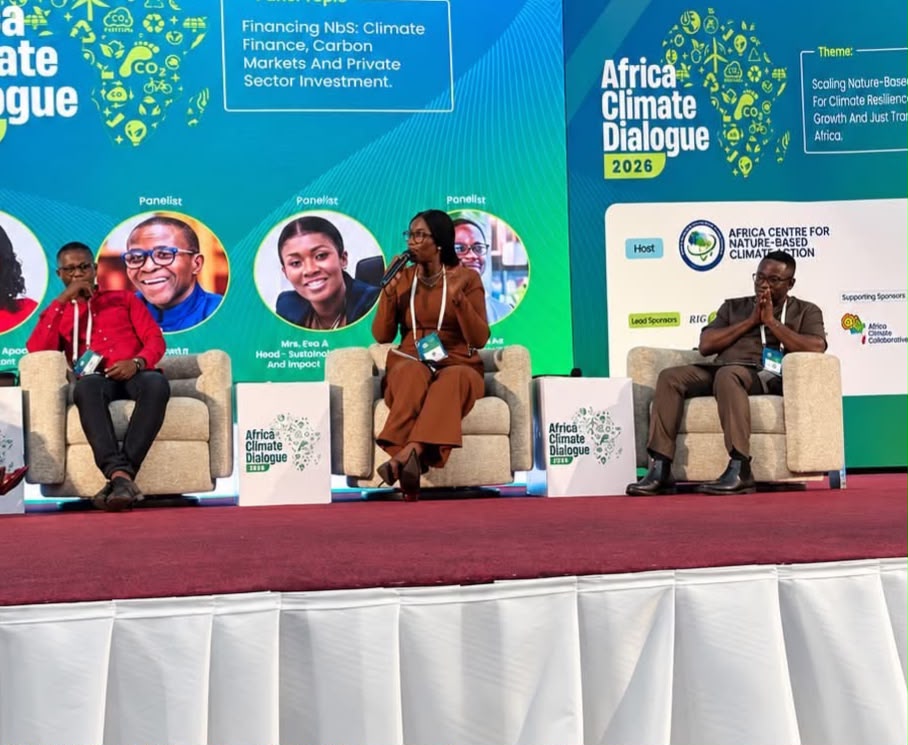
Land ownership disputes and inadequate documentation are impeding financial institutions from supporting nature-based climate projects in Ghana, according to Eva Ackuaku, the Head of Sustainable Financing and Impact at Consolidated Bank Ghana (CBG). These challenges are especially severe in communities where land is held under intricate family ownership structures, making it difficult for project developers to establish ownership and secure the necessary documentation to obtain financing.
At the Africa Climate Dialogue, Ms. Ackuaku highlighted how this issue affects tree-planting and environmental restoration initiatives, using her hometown of Larteh in the Eastern Region as an example. She explained that land ownership in Larteh is typically vested in families rather than individuals, complicating the identification of rightful owners.
Ms. Ackuaku stated that establishing the actual owners of such lands can be a significant challenge for project developers, particularly when they are unable to provide the documentation required by financial institutions. Similar difficulties were encountered in other parts of Ghana, including the Western and Eastern Regions, where tree-planting and restoration projects are being carried out.
Ms. Ackuaku emphasized that the absence of adequate land documentation makes it difficult for banks to assess and support these initiatives. Additional constraints to nature-based climate projects include limited access to donor funding, grants, and other financial resources. Ms. Ackuaku noted that developers often require financial assistance to prepare their projects before approaching banks for investment.
She also pointed out the expenses associated with technical support and feasibility studies, stressing that project developers must engage consultants and experts from universities to evaluate the viability of their initiatives. These processes require substantial resources, which many project developers find challenging to access.
Ms. Ackuaku concluded that securing financing for project preparation is crucial to addressing some of the limitations confronting nature-based climate initiatives from the banking sector's perspective.
Written by urgent.news from Joy Business's reporting — not their text. Machine-written — may contain errors; check the original before relying on it.