Is El Niño making storms and flash floods in the Southwest worse?
Experts say the natural warming cycle is sizzling Pacific Ocean waters and leaking moisture into the air that can fuel passing storms.
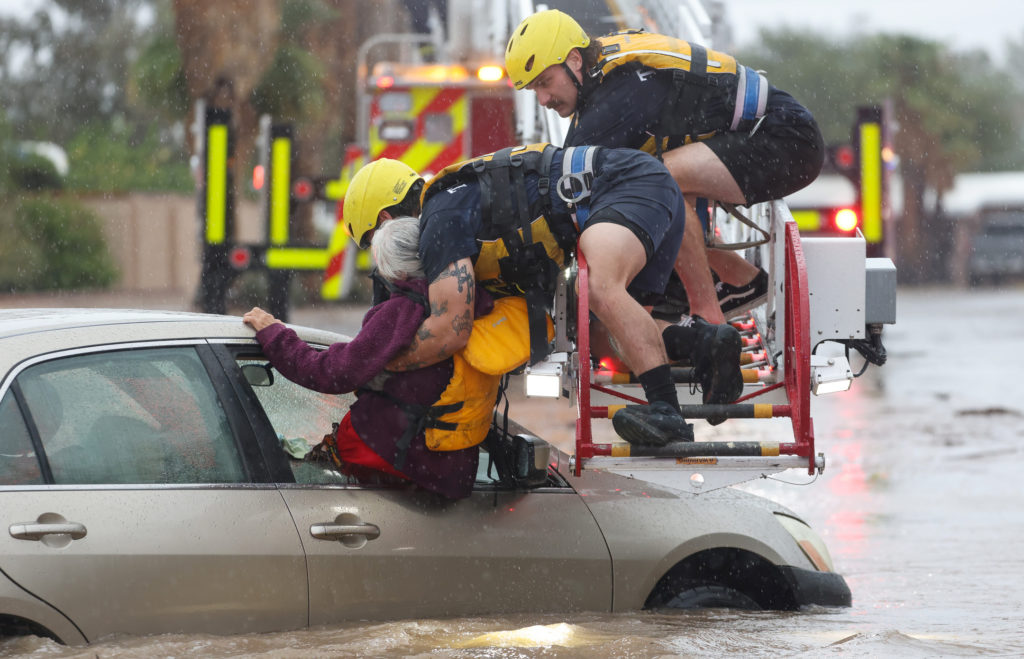
A powerful weather phenomenon, known as El Niño, is amplifying heavy rainfall and flooding in the Southwest United States, according to experts. This natural warming cycle in the Pacific Ocean intensifies moisture in the air, which can fuel passing storms. Though such El Niño events typically occur every couple of years, the current one is exceptionally extreme, described by meteorologist Jeff Masters as a "super duper El Niño."
While not the sole cause of recent severe storms, scientists assert that El Niño is increasing the likelihood and intensity of heavy rains across the Southern U.S. Flash floods prompted evacuations in northern New Mexico and central Arizona, and a Colorado ski town prepared for dangerously high river levels. Additionally, a wet storm last week drenched southwestern states, causing days of flooding.
Over 20 trillion gallons of water have fallen on the Four Corners region and Nevada in the past two weeks, calculated by former National Oceanic and Atmospheric Administration chief scientist Ryan Maue. Scientists attribute this year's extreme El Niño to more moisture in the air and shifted atmospheric winds, creating conditions that foster more severe storms.
The likelihood of heavy precipitation in the Southwest interior increases during this time, but the current El Niño event is causing more rainfall than ever before, according to climate scientist Daniel Swain from the University of California Agriculture and Natural Resources. The oceans' warming due to human-induced climate change exacerbates El Niño effects, making these events even more intense, as ocean temperatures are warmer than they have been in 100 years.
This phenomenon alters weather patterns globally, causing record-breaking flooding in regions such as Peru and Ecuador. El Niño is expected to peak in December, with potential continued effects for months. Experts advise staying informed, planning ahead, and following evacuation orders from local authorities. The AP's climate and environmental coverage is supported by multiple private foundations, with the AP solely responsible for its content.
Written by urgent.news from PBS NewsHour Science's reporting — not their text. Machine-written — may contain errors; check the original before relying on it.
This story
This is one outlet's version. Read the fullest account.