Intel's long-lost Larrabee GPU turns up in storage unit with working drivers, and yes, it can run Crysis
A Reddit user bought the contents of a storage unit at auction and ended up with what looked like an old Intel desktop. Inside was a development machine labeled "Intel Visual Adrenaline," containing an Intel DX58SO motherboard, a working Larrabee prototype and a separate diagnostic card. Larrabee was the x86-based... Read Entire Article
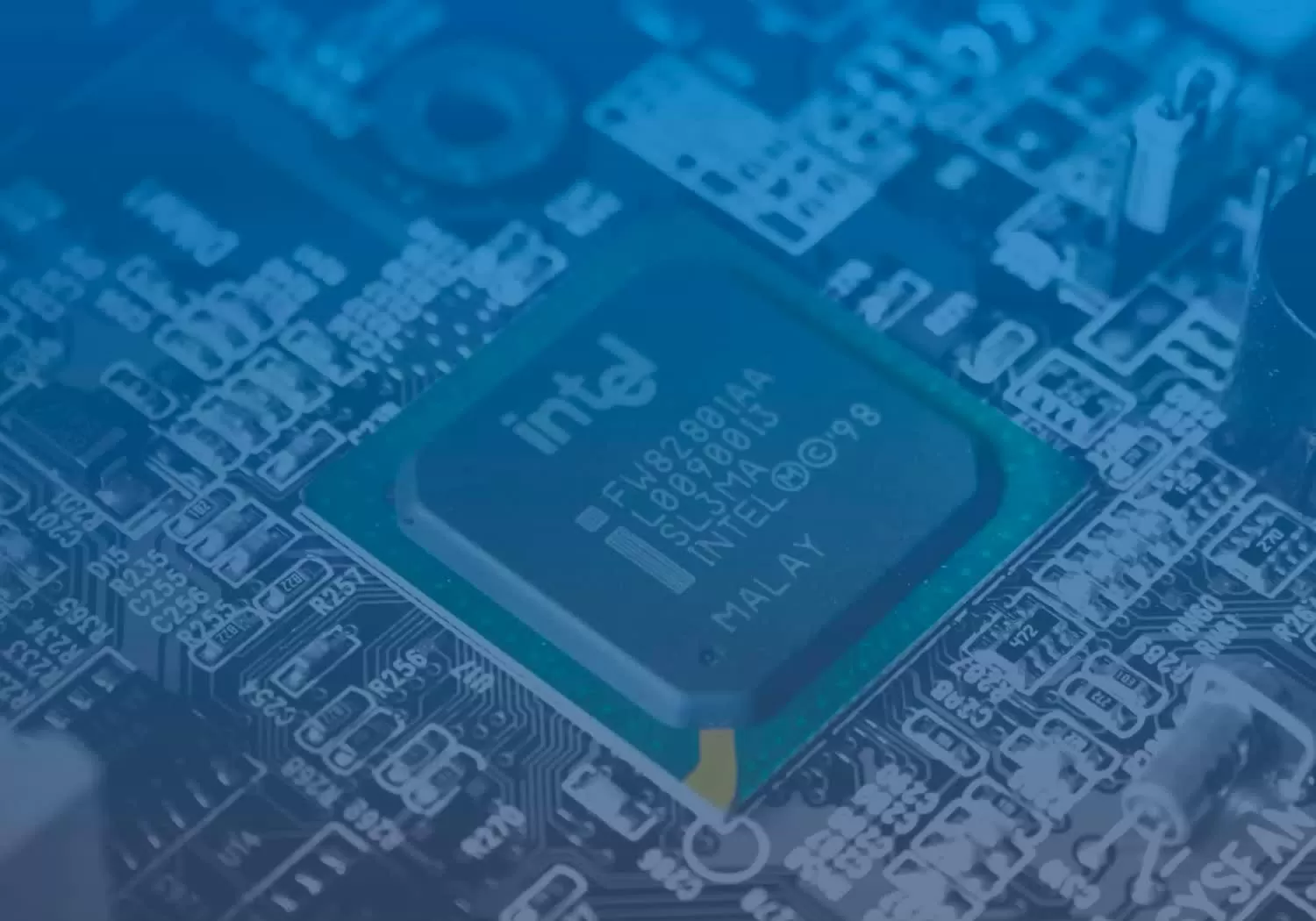
Intel's long-lost Larrabee GPU, a project that never quite materialized into a consumer product, has resurfaced in an unexpected form. A Reddit user recently acquired the contents of a storage unit auction and found a fully functional development system, complete with an Intel DX58SO motherboard, a working Larrabee prototype, and a diagnostic card. The discovery has allowed for the preservation of Intel's software stack, now available on the Internet Archive.
The Larrabee GPU was Intel's attempt to challenge Nvidia and ATI in the graphics processor market. However, the project was ultimately abandoned in 2009, with Intel repurposing Larrabee as a software development platform for high-performance computing. The development system appears to be a C0-stepping engineering sample, one of the later revisions of the Larrabee GPU.
What makes this find particularly significant is the inclusion of two USB drives, packed with graphics drivers and documentation. These drivers and software were instrumental in getting the Larrabee prototype to run, first on DVI and later over HDMI. With the drivers installed, Windows 7 recognized the card and DirectX applications ran with hardware acceleration.
Running Crysis at medium settings and a resolution of 1280x720, the card managed approximately 17 FPS. This figure, while unimpressive by the standards of 2008-2009, improved to around 36 FPS with a different driver build from the same archives.
The difference in performance between the two driver sets is a telling result, highlighting the unfinished state of Larrabee's software when Intel shelved the project. Larrabee's architecture was largely software-driven, relying on simplified x86 cores and hoping that game-specific drivers would compensate for its lack of fixed-function hardware for rasterization, interpolation, and pixel blending. Indeed, the drivers proved to be a critical factor in the GPU's performance.
Written by urgent.news from TechSpot's reporting — not their text. Machine-written — may contain errors; check the original before relying on it.