INEC strengthening capacity to tackle AI-generated election misinformation – Amupitan
The Independent National Electoral Commission, INEC, says it is strengthening its technical capacity to detect and counter AI-generated misinformation, deepfakes and coordinated attempts to manipulate Nigeria's electoral processes. INEC Chairman, Professor Joash Amupitan, disclosed this while speaking at the Beyond the Ballot event in Abuja. Amupitan said the commission has upgraded its technical…
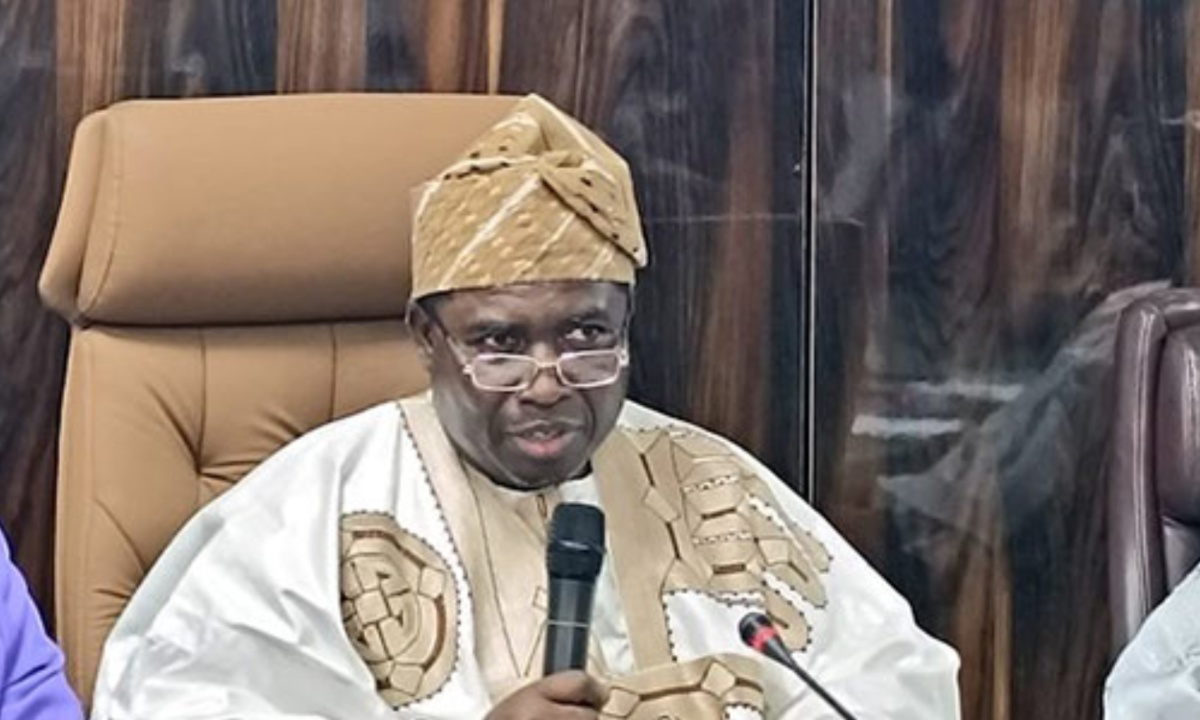
The Independent National Electoral Commission (INEC) in Nigeria is enhancing its technical capabilities to identify and combat AI-generated misinformation, deepfakes, and coordinated efforts to tamper with the country's electoral procedures. INEC Chairman, Professor Joash Amupitan, announced these developments during a recent event in Abuja titled "Beyond the Ballot."
According to Amupitan, the commission has bolstered its technical infrastructure and operational protocols to monitor public data channels for early indications of coordinated attempts to manipulate election processes.
Amupitan explained that INEC has improved its ability to detect fabricated content, verify dubious media, and provide authoritative clarifications through established communication avenues, including traditional broadcast networks. He emphasized, "We enhanced our capacity and workflow to detect these fakes, verify suspect media and issue authoritative clarifications."
However, Amupitan stressed that INEC cannot single-handedly tackle the escalating issue of digital misinformation without the assistance of other parties involved in the electoral process.
The INEC leader stressed that while they have achieved technical readiness within the electoral management body, this alone is insufficient to address the threat posed by AI-generated misinformation, particularly when such falsified material mimics election officials. To illustrate this, Amupitan provided a hypothetical example.
He described how an AI-produced deepfake announcing the postponement of an election would necessitate an immediate, collaborative response rather than a solitary press release. In this scenario, social media platforms would need to establish rapid escalation procedures to assess, label, or remove any demonstrably manipulated content that violates their policies on electoral interference.
Consequently, INEC is forming partnerships with leading social media platforms to achieve this goal.
Additionally, Amupitan called on telecommunications companies and media organizations to maintain open communication channels for the swift distribution of verified institutional information. He also highlighted the importance of fact-checkers and independent journalists having direct access to designated communication desks for verifying electoral information within a matter of minutes, rather than hours.
Written by urgent.news from Daily Post Nigeria's reporting — not their text. Machine-written — may contain errors; check the original before relying on it.