Indonesia’s fires are releasing centuries of stored carbon
An El-Niño-induced intense drought is the match that lit this year's peat fires in Indonesia, which are releasing ancient carbon that won’t be reabsorbed by future forest growth as a dire consequence of land conversion.
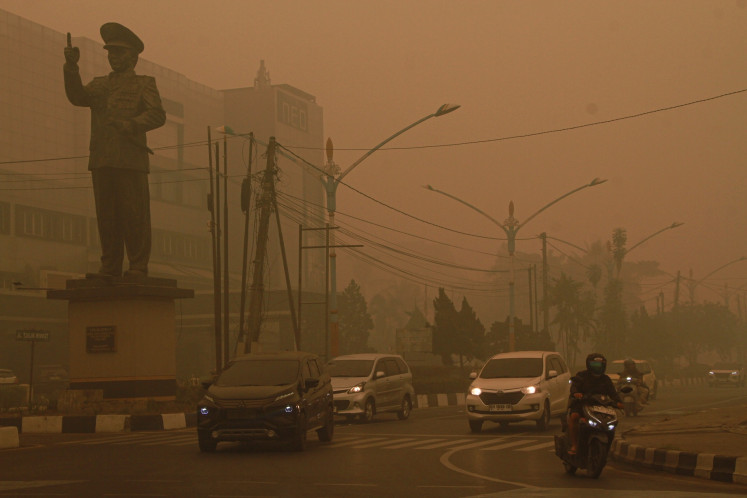
Indonesia's ongoing peat fires are releasing centuries-worth of stored carbon, exacerbating a severe air quality crisis in parts of the Southeast Asian country. The fires, triggered by an intense El Niño-induced drought, are emitting dangerous levels of particulate matter, particularly PM2.5, which has wreaked havoc on the health of millions of people.
The World Health Organization's safe limit for PM2.5 exposure is 15 micrograms per cubic meter, yet in haze-affected regions of Indonesia, concentrations have reached an alarming 500 to 1,000 micrograms, more than 65 times the recommended limit. The United States Environmental Protection Agency classifies such air quality as "hazardous," posing a serious threat to public health.
The root cause of this crisis lies in the combination of a powerful El Niño event and decades of human-induced landscape changes. Previously, lowland tropical forests on peat soil were naturally resistant to fire due to their moist conditions. However, extensive deforestation for agriculture, forest fragmentation, and peatland drainage have transformed the landscape, making it highly susceptible to fires.
The dire consequences of these fires include increased risks of heart attacks, strokes, and respiratory illnesses.
Written by urgent.news from The Jakarta Post Academia's reporting — not their text. Machine-written — may contain errors; check the original before relying on it.
This story
This is one outlet's version. Read the fullest account.
- Indonesia’s fires are releasing centuries of stored carbon thejakartapost.com