Incheon airport's network fiasco raises questions over crisis readiness
Incheon International Airport’s latest check-in disruption has exposed its vulnerability to failures at external network providers, prompting calls for stronger contingency systems. The outage began around 4:30 a.m. Friday, when connectivity problems hit the global network of U.S.-based aviation communications provider ARINC, disrupting check-in operations at 13 airlines across both terminals. It…
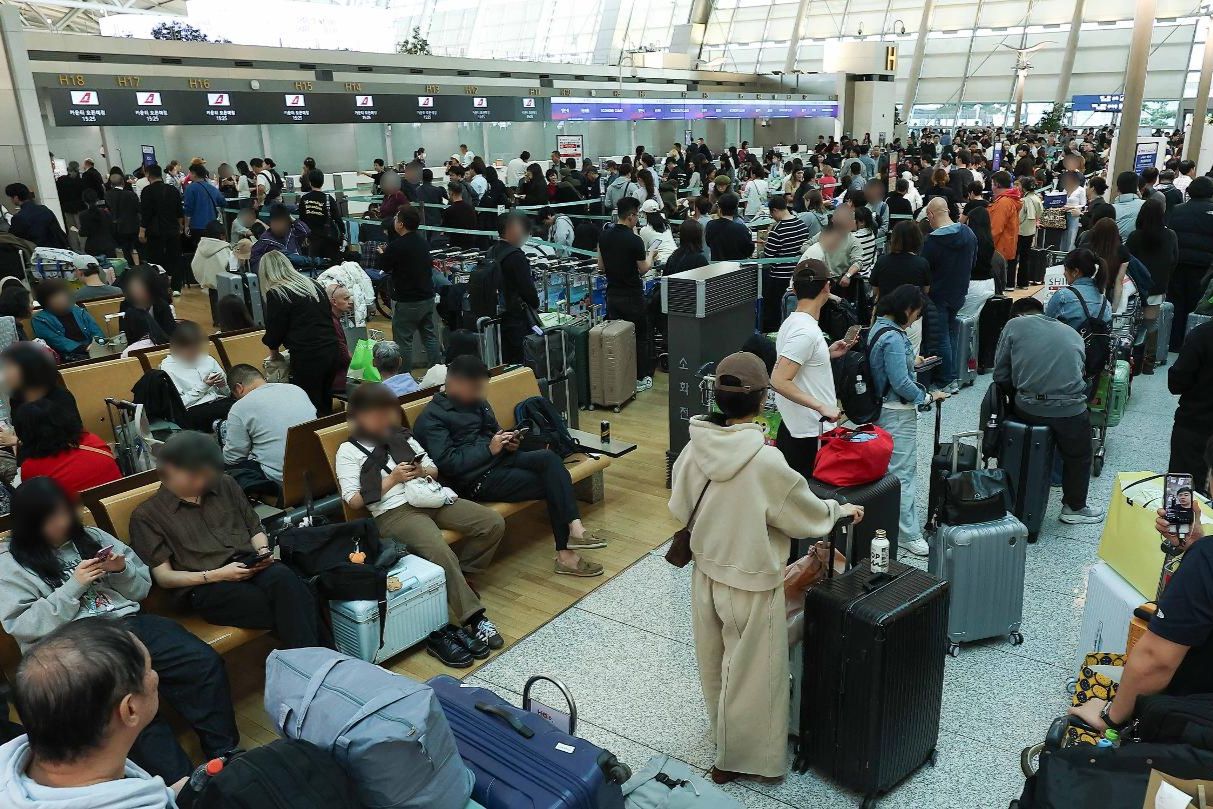
Incheon International Airport experienced a significant check-in disruption on Friday morning, highlighting its susceptibility to failures in external network providers. The issue arose when ARINC, a U.S.-based aviation communications provider, encountered connectivity issues with its global network, affecting check-in operations at 13 airlines operating at both terminals.
This disruption led to the postponement of 38 flights and placed approximately 1,200 passengers in a waiting area at the airport, according to Incheon International Airport Corp. By the afternoon, ticketing operations at China Southern Airlines, China Eastern Airlines, and Air China had effectively stalled, compelling these airlines to switch to manual procedures.
The incident underscores a clear structural vulnerability in airport operations, as international airports and airlines heavily depend on global IT providers for the exchange of passenger and reservation data, coordination of check-in processes, and issuance of boarding passes. These platforms enable carriers to manage operations across multiple airports without the need to construct entirely separate systems at each location.
Written by urgent.news from The Korea Times's reporting — not their text. Machine-written — may contain errors; check the original before relying on it.