How to suppress malignant brain tumour growth? IITGN team ‘finds’ a way
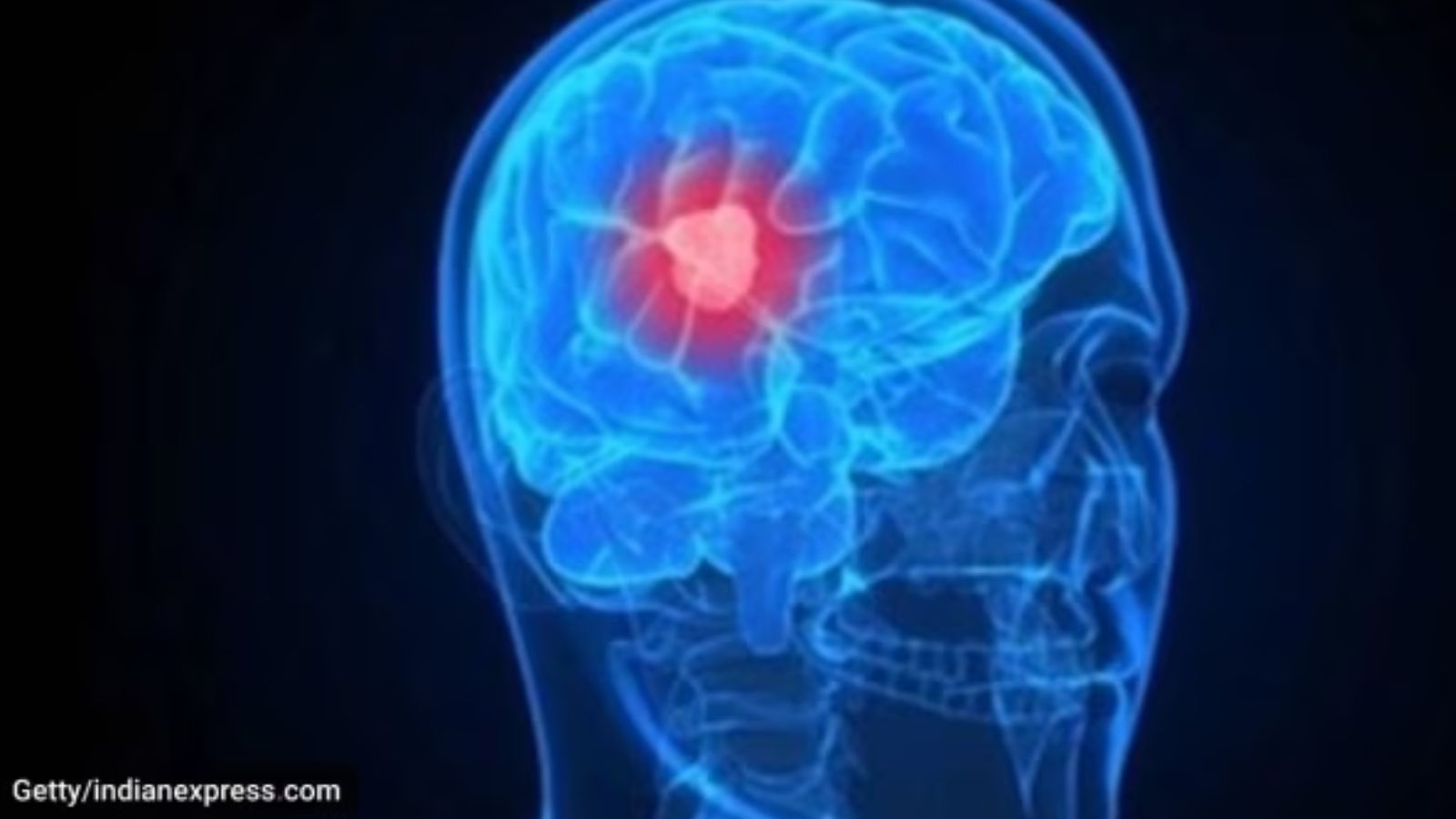
Researchers at India's IIT Gandhinagar (IITGN) have developed a novel approach to combat glioblastoma, a particularly aggressive form of brain cancer that defies conventional chemotherapy treatments. In a paper published in the Journal of Biological Chemistry and RSC Medicinal Chemistry, the team showcased how two compounds they created effectively impede the growth of glioblastoma cells by inhibiting a protein called tyrosine threonine kinase (TTK, or Mps1).
This protein is pivotal in cell division, and high levels of it have been associated with glioblastoma progression.
By targeting TTK, the researchers hypothesized that disrupting its role could hinder glioblastoma cells' ability to sustain their rapid division cycles, ultimately enhancing their sensitivity to treatments like radiotherapy. Previous studies have also connected TTK to drug resistance, specifically towards TMZ, a commonly used chemotherapy medication.
The compounds, named SPK17 and SPK17b, were derived from anti-psychotic drugs and proved more effective than standard chemotherapeutic agents in inhibiting TTK. Notably, SPK17b resulted in glioblastoma cells exhibiting impaired metastasis or spreading, a hallmark of cancer.
The IITGN team found that SPK17 works by removing a built-in pause in cell division, compelling cells to proceed through division with damaged DNA, which they cannot repair before dying. On the other hand, SPK17b causes an accumulation of reactive oxygen species (ROS), toxic by-products of cellular metabolism, leading to a self-destructive mechanism in the cells while also reducing their ability to invade surrounding tissues.
Prof Sivapriya Kirubakaran, a lead researcher on the project, emphasized the urgency of developing new treatment options for glioblastoma, stating that such findings can contribute to a deeper understanding of the disease and potentially pave the way for more effective therapies. The next step in the research involves testing the efficacy of these compounds in more complex biological systems to evaluate their potential benefits and risks.
Written by urgent.news from The Indian Express's reporting — not their text. Machine-written — may contain errors; check the original before relying on it.