How flawed wheat policy fuelled flour crisis
https://www.dawn.com/news/2041489
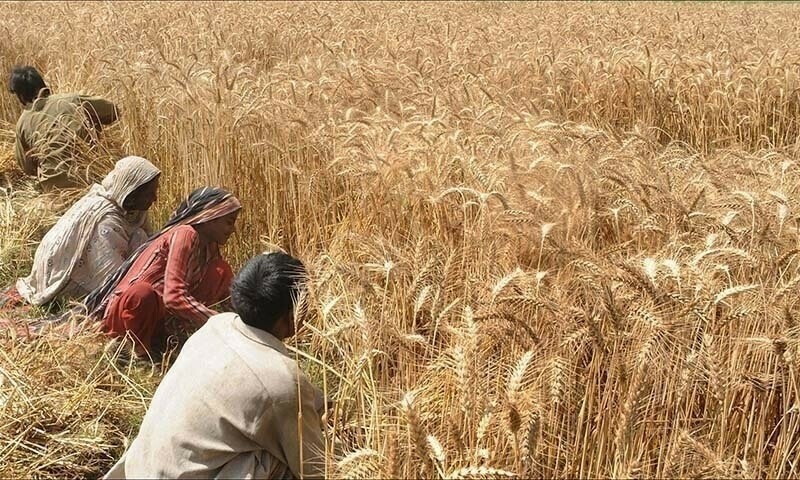
Wheat flour, once an affordable household expense, has become a pressing daily struggle for millions of working people in the country. Flawed policies, flawed experiments, and poor execution have caused the wheat and flour supply chains to fracture, putting household food security at risk. As flour prices skyrocket, ordinary families are forced into difficult decisions: who gets to eat, who starves, whether to serve full meals or ration, and whether to prioritize food today or manage expenses tomorrow.
Roti, once a simple staple, has become something to be rationed, negotiated over, and in some cases, sacrificed.
This crisis is more than just a price increase; it has eroded the country's social fabric, pushing millions deeper into poverty and making hunger a structural feature of everyday life. At its core, this is a crisis of human dignity, exposing a system that is unable to protect the most basic condition of a decent life: access to affordable food.
Five years ago, flour prices were modest, ranging from Rs50 to Rs170 per kilogram, which is a staggering over 200% increase. In Punjab, the country's breadbasket, flour prices have skyrocketed to over Rs200 per kilogram in deficit districts like Rawalpindi. Roti prices have already surged by more than 212%, from Rs8 in 2021 to Rs25 in 2026.
This year, Punjab only provides 25% of its own requirement for flour, leaving the private sector to hold the power over prices. The price gap between government-supplied flour (Rs110 per kg) and private flour (Rs150 per kg) is even steeper this year, with an additional Rs40 or 36.4% in private flour pricing.
This price disparity, beyond normal profit margins, allows retailers to profit from consumers' rising costs. As prices continue to climb and people's purchasing power wanes, consumers are turning to loose flour in smaller quantities, while retailers are opening government-supplied wheat flour bags and selling them by the kilogram at private market rates. Consequently, every purchase is being diverted to retail margins.
The root of this crisis lies in Punjab's decision to abandon conventional wheat procurement under pressure from lenders and replace it with a bureaucratic scheme engaging private-sector aggregators to procure wheat on its behalf. The aggregators were supposed to receive bank loans and use public warehouses to store strategic reserves of three million tonnes of wheat.
However, the scheme encountered numerous obstacles from the start. Banks were reluctant to provide loans due to disputes over financing terms, and the significant gap between government procurement rates and open-market prices made it difficult for farmers to sell to the aggregators. The result was a total failure, with the aggregators only managing to procure 160,000 tonnes against the ambitious target of 3m tonnes.
Nine out of 11 aggregators were unable to even begin purchasing, with banks refusing to participate in the financing arrangement.
The failure is even more evident when considering the government's withdrawal from direct procurement but still shouldering the financial costs and risks of maintaining reserves. The plan failed to achieve its targeted stocks or relieve the government of the associated costs and risks. The government's continued insistence on maintaining domestic crop stocks, despite the evident market pressures, has exacerbated the situation.
This release of approximately 3,500 tonnes of wheat daily, compared to the traditional daily supply of around 25,000 tonnes, represents only 14% of the traditional supply, leaving an 86% shortfall. Such a release does not exert pressure on stockists to release their stocks or bring prices down, as hoarders and stockists release their inventories only when they anticipate ample supplies and feel no competitive pressure.
Consequently, wheat continues to pour in from private stocks at prices determined by those who control the supply.
Written by urgent.news from Dawn Business's reporting — not their text. Machine-written — may contain errors; check the original before relying on it.