How AI training models could compromise privacy
Credible studies have shown that querying an AI model with ‘anonymised’ data to extract personal details that it had memorised during training can be used to identify individuals and build their profiles
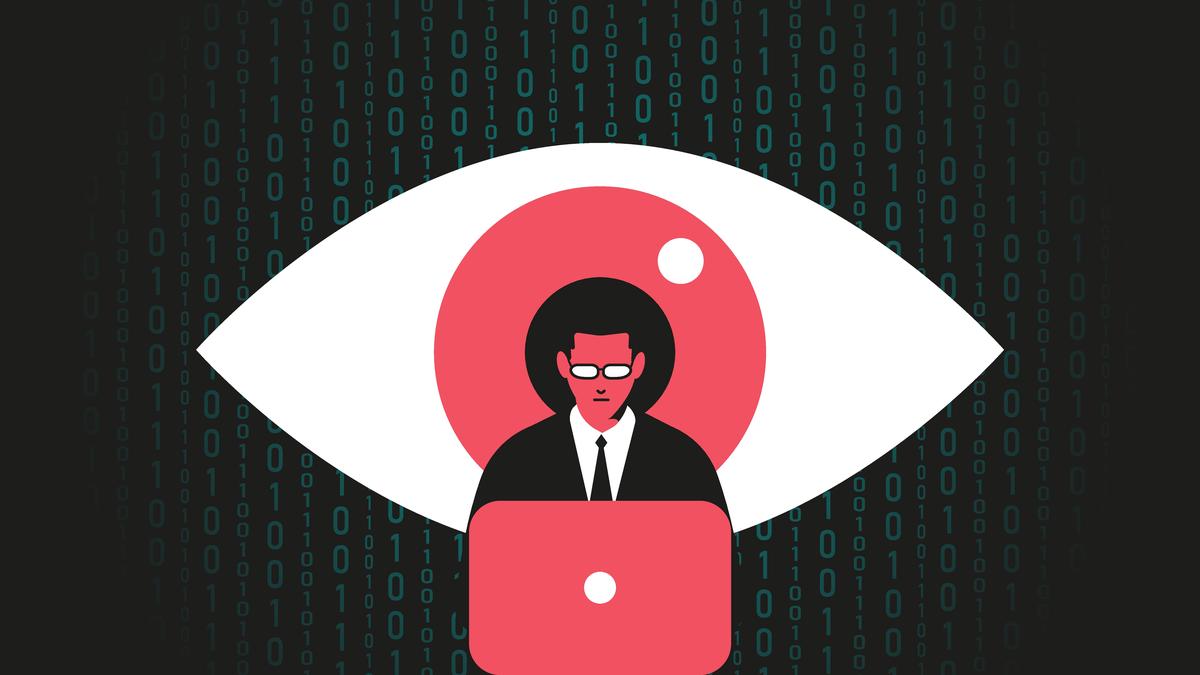
The right to privacy, a constitutional safeguard, is currently under threat due to the rapid advancement of Artificial Intelligence (AI) and insufficient legal frameworks. Despite extensive discussions on AI regulation among governments, the resulting recommendations have been broad and vague, raising doubts about their effectiveness.
AI holds the potential to enhance productivity and positively impact lives, yet broad regulatory measures risk stifling innovation and economic growth. However, targeted interventions can be implemented to better protect privacy rights without hindering AI progress.
The Digital Personal Data Protection (DPDP) Act, enacted in 2023, introduced rules notifying in November 2025, with phased implementation commencing in 2027. The legislation aims to enhance consent and safety measures, becoming fully effective in 2027.
Prior to the DPDP Act, the Information Technology (IT) Act, 2000, served as the primary legal instrument governing personal data use and management. The Act and its 2011 Rules primarily regulated the export of "sensitive personal data," requiring the recipient to ensure adequate protection under Indian law and obtain consent from the data provider.
The criminal penalties for unauthorized disclosure were limited to three years' imprisonment or a fine of ₹5 lakh, applicable only to sensitive personal data such as financial details, medical information, sexual orientation, biometric data, etc. The Rules did not encompass personal data like names, addresses, phone numbers, caste, religion, political affiliations, browsing history, social media activity, behavioral patterns, or institutional affiliations.
Written by urgent.news from The Hindu - Sci-Tech's reporting — not their text. Machine-written — may contain errors; check the original before relying on it.