Heat, Dust, and Our Skin: What El Niño Warning Means for Ghanaian Complexions
By Sharon Zoe Williams The Ghana Meteorological Agency (GMet) has issued a clear advisory. A very strong El Niño event is developing in the Pacific and is expected to influence Ghana’s weather well into 2027. From late November 2026 through the dry season, many parts of the country are likely to experience hotter days, prolonged […]
Ghana Meteorological Agency (GMet) has issued a warning, predicting a strong El Niño event in the Pacific that will impact Ghana's weather until 2027. This will bring hotter days, extended dry periods, and less rain, along with more dust than usual. As a result, the upcoming Harmattan season may feel even more arid. The agency cautions that these are probable outcomes rather than precise forecasts, but the trend aligns with previous strong El Niño occurrences and current warmer, drier conditions.
While the focus often stays on agriculture, water, and power, the same weather patterns also exert continuous strain on the body's largest organ: the skin. Ghanaian skin, with its higher melanin content, provides some natural defense against the sun's ultraviolet rays. However, this protection is not foolproof. Intense heat, low humidity, and dusty Harmattan winds can weaken the skin's protective barrier, causing moisture to evaporate faster and resulting in tight, flaky, or itchy skin.
Fine lines and rough patches may become more evident. Those who work or live outdoors for extended periods are particularly vulnerable. The combination of heat, dust, and sun exposure can exacerbate these issues. The dry air also heightens the risk of heat-related skin problems, such as heat rash in skin folds and fungal infections in warmer, moist areas.
Dust particles can settle on the skin, potentially clogging pores or irritating existing conditions. Individuals using skin-lightening products that thin or impair the skin barrier may face additional risks, as their compromised skin is more susceptible to environmental stress.
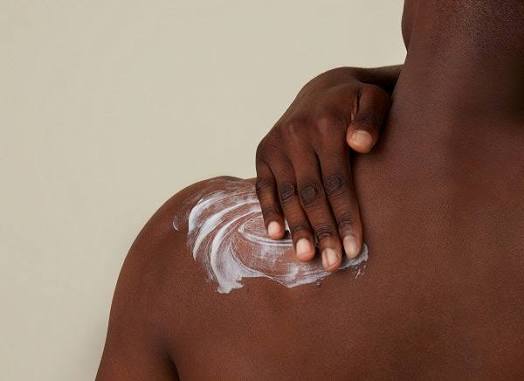
GMet advises staying hydrated, minimizing outdoor activities during peak heat hours, and protecting against dust, especially for those with respiratory problems, as this advice also applies to skin health. Drinking sufficient water helps maintain skin moisture from within. Gentle cleansing removes dust without stripping natural oils, while regular moisturizing with mild, non-irritating creams or butters helps restore the skin's barrier.
Seeking shade and using physical barriers, such as hats and light, long clothing, provide continued protection even for those with higher melanin skin. For individuals spending long hours in the sun, a broad-spectrum sunscreen suitable for darker skin tones adds another layer of defense against long-term damage. The upcoming dry season will challenge not only agriculture and energy systems but also the care of the skin that supports us daily.
Understanding how Ghanaian skin reacts to these conditions and making simple, consistent efforts to safeguard the skin barrier can alleviate discomfort and prevent more severe issues. In a season marked by heightened heat and drier air, caring for our skin is not a luxury—it's a practical form of self-care essential for maintaining overall health.
Written by urgent.news from GBC Ghana's reporting — not their text. Machine-written — may contain errors; check the original before relying on it.