Gov't to exempt CCTV monitoring requirement for non-walk-in ESS units
The government will seek to exempt the mandatory CCTV monitoring requirement for non-walk-in energy storage systems (ESS) equipped with enhanced safety measures, as part of deregulation aimed at reducing unnecessary burdens on companies, officials said Monday. It was one of the measures that the Regulatory Rationalization Committee announced it will pursue in coming months in an effort to improve…
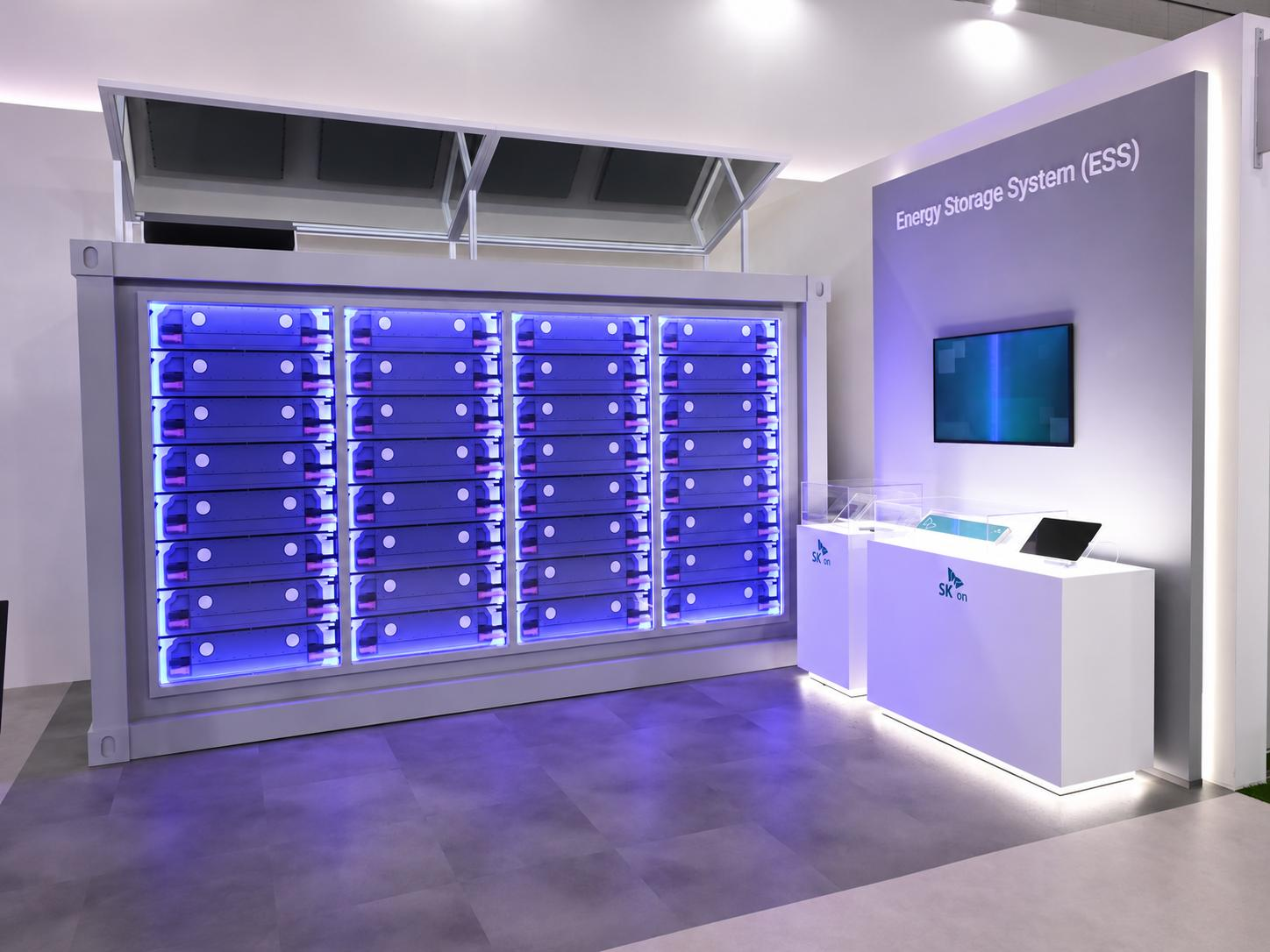
The government intends to exempt non-walk-in energy storage systems (ESS) from mandatory CCTV monitoring requirements if they possess enhanced safety measures. This move is part of broader deregulation efforts aimed at alleviating unnecessary burdens on companies, according to officials. The Regulatory Rationalization Committee has announced this as one of several measures it plans to implement in the coming months.
The committee aims to enhance the competitiveness of the local secondary battery industry, which is facing increasing market competition due to the availability of low-cost Chinese lithium iron phosphate (LFP) batteries. The committee intends to finalize the review of the proposed deregulation by the end of the year and revise the relevant regulations next year.
This will allow non-walk-in ESS units equipped with advanced safety features, such as highly efficient battery management systems (BMS), to be exempt from the requirement of internal CCTV installation. Other deregulation measures for secondary battery firms include permitting the installation of power conversion systems (PCS) within the same container as batteries, provided they have undergone safety verification. Additionally, the government plans to waive repeated permit requirements for these firms.
Written by urgent.news from The Korea Times's reporting — not their text. Machine-written — may contain errors; check the original before relying on it.
This story
This is one outlet's version. Read the fullest account.