Google Is Quietly Hiding A New Zelda: Ocarina of Time Easter Egg
Google celebrates The Legend of Zelda: Ocarina of Time with a time capsule harking back to the 1998 release of the N64 classic.
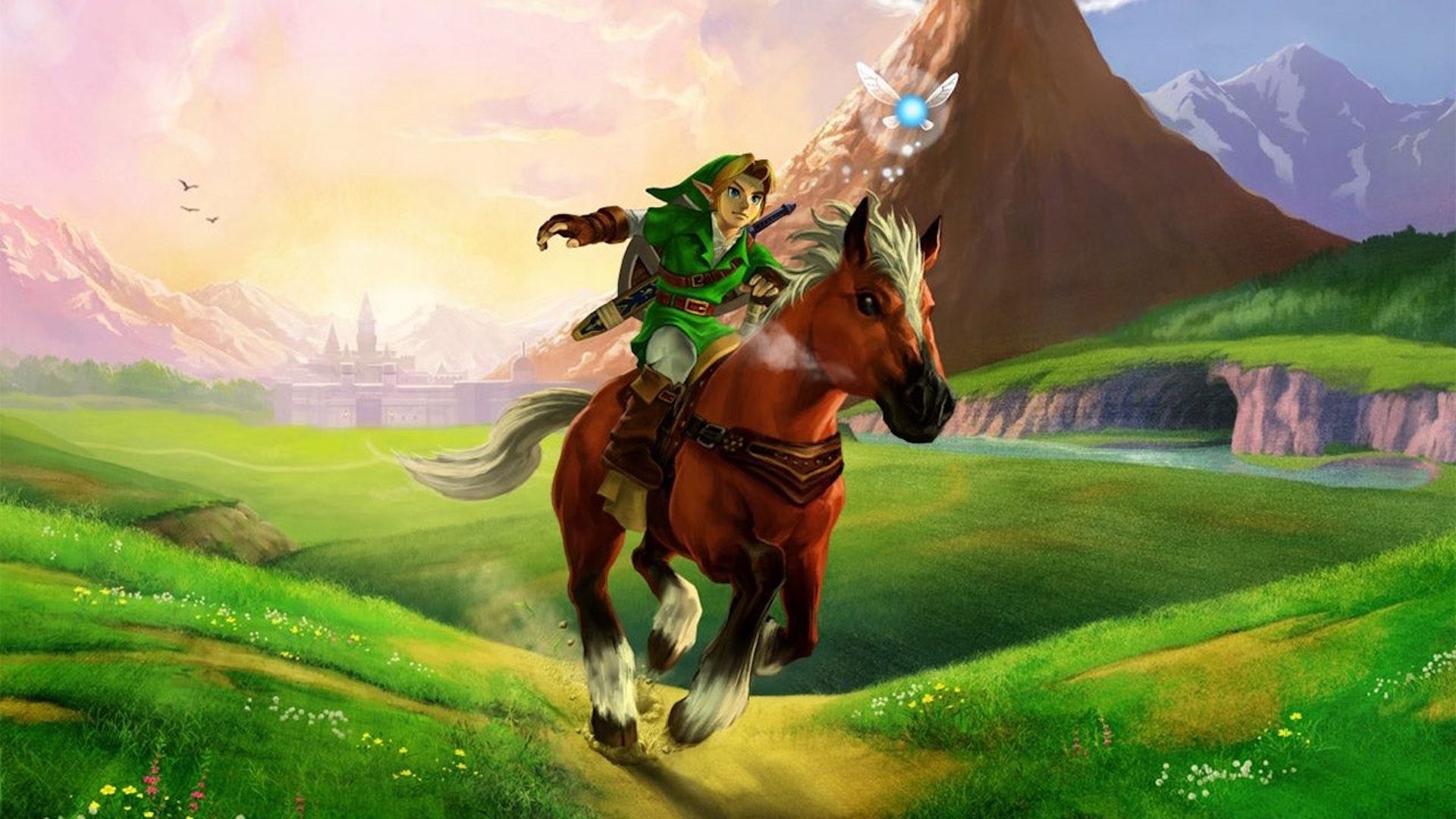
Google has already begun celebrating the upcoming release of the Switch 2 remake of The Legend of Zelda: Ocarina of Time by incorporating an Easter egg into its search engine. The tech giant has a history of creating video game tributes, such as an interactive question mark block from Super Mario in 2015 and a Pokédex mini-game based on the original Pokémon Red and Blue.
This latest Easter egg is triggered by searching for terms related to the upcoming Switch 2 game, like "Zelda," "Ocarina of Time," and "tloz." Upon triggering the egg, a hovering graphic of the iconic Master Sword appears in the bottom-right corner. Clicking it elicits Link's scream of "Hya!" and transforms the page with the Triforce, displaying search results as they would have appeared in 1998 when the game was originally released on the Nintendo 64.
Players can click the sword again to revert to the current Google interface. The Zelda Easter egg, while a delight, serves as a poignant reminder of how much Google's own search experience has evolved over the years.
Written by urgent.news from Polygon's reporting — not their text. Machine-written — may contain errors; check the original before relying on it.
This story
This is one outlet's version. Read the fullest account.
- Google Has a Cool The Legend of Zelda: Ocarina of Time Easter Egg That Transports Us Back to the 1998 Era of Search Results ign.com
- Zelda fans should Google ‘Ocarina of Time’ if they like fun Easter eggs mashable.com
- Google's Ocarina of Time Easter egg is a link to a past when Search wasn't horrible engadget.com