Ghana’s film heritage takes centre stage at UniMAC-IFT commemoration
Ghana’s efforts to digitise historical film archives, preserve vulnerable audiovisual collections and restore film infrastructure have come under renewed scrutiny at a World Day for Audiovisual Heritage commemoration in Accra.
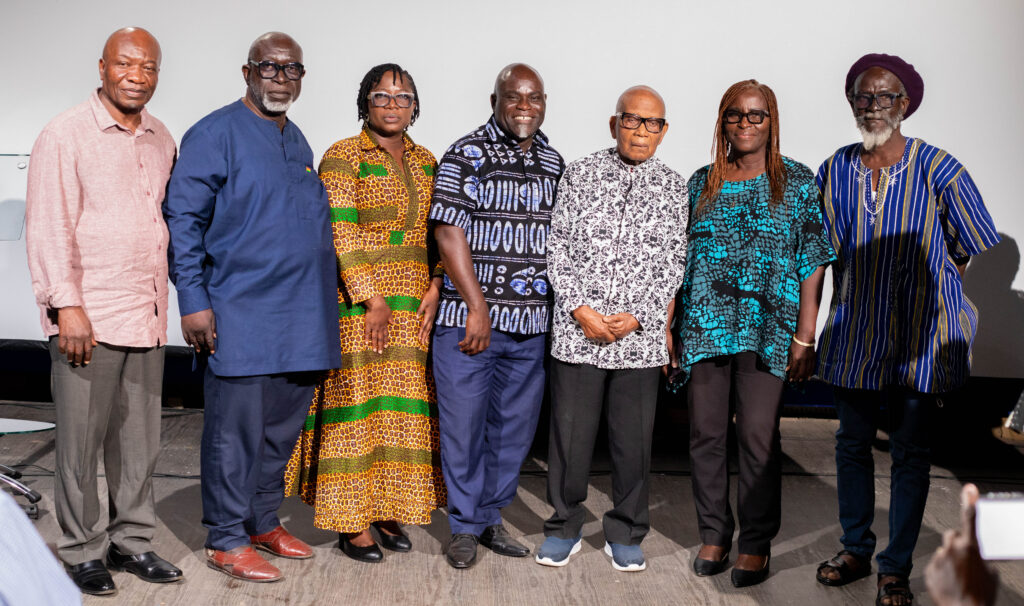
Ghana's film heritage received significant attention during a commemoration held at the University of Media, Arts and Communication's Institute of Film and Television (UniMAC-IFT) on Friday, 30 October, in recognition of the World Day for Audiovisual Heritage. The event, organized by the Faculty of Digital Media and Design in collaboration with UNESCO, highlighted the urgent need to protect historical recordings documenting Ghana's political, cultural, and social evolution.
Rev. Dr. Chris Hesse, a veteran filmmaker, shared his nearly three-decade-long effort to preserve approximately 3,000 cans of historical film materials, providing participants with insights into the challenges of safeguarding Ghana's cinematic legacy. Discussions also addressed the government's efforts to digitize historical films preserved abroad, challenges faced by local archival institutions, the disappearance of film-processing equipment, and the uncertain future of historic cinema facilities.
Dr. Rebecca Ohene-Asah, Dean of the Faculty of Digital Media and Design, disclosed that the government, through the 24-Hour Economy Authority's 24-hour-plus programme, had committed funding towards the digitization of Ghana's historical film materials preserved in the United Kingdom. This initiative was already underway and aimed at recovering and digitizing historical recordings stored on obsolete analogue formats that had remained largely inaccessible.
Dr. Ohene-Asah emphasized that the country's preservation agenda should not be limited to recovering materials held outside its borders, drawing attention to UniMAC's substantial archive of materials, particularly student productions dating back to 1978.
Despite technological advancements like artificial intelligence, the university still faces substantial financial constraints in restoring and preserving historical materials. The Head of UNESCO's Accra Office, Mr. Edmond Moukala, stressed the importance of treating audiovisual materials as essential national assets, capable of preserving societies' experiences, identities, and historical developments for future generations.
Moukala commended Dr. Hesse's contribution to safeguarding Ghana's historical film collection and encouraged efforts to have his materials inscribed on UNESCO's national Memory of the World Register.
The Ministry of Tourism, Culture, and Creative Arts represented by Mr. Divine Kwame Owusu-Ansah reaffirmed the government's commitment to strengthening Ghana's creative economy and supporting the preservation and development of the audiovisual industry.
Written by urgent.news from MyJoyOnline Ghana's reporting — not their text. Machine-written — may contain errors; check the original before relying on it.