El Niño 2026 could combine with these separate phenomena to bring intense flooding sooner than you think
Throughout the last week of October, intense tides caused record-high water levels across the Southern California coast. Ocean water flooded the Redondo Beach boardwalk . Tide levels in San Diego topped 8 feet above baseline. Water level readings were among the highest in more than a century, according to the National Oceanic and Atmospheric Administration. This year’s record-hot Super El Niño…
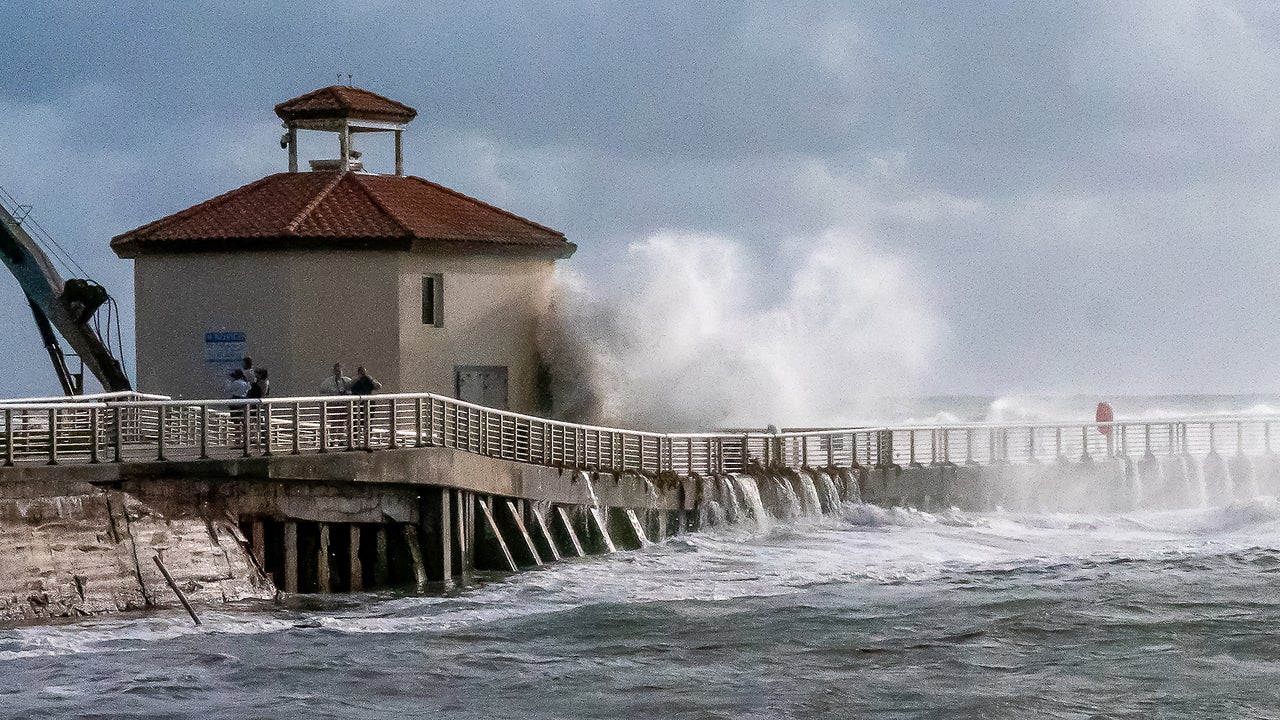
In late October, unusually high tides along the Southern California coast led to record-breaking water levels. The National Oceanic and Atmospheric Administration reported these readings as some of the highest in over a century. This year's record-breaking El Niño event contributed to these extreme water levels. However, El Niño also coincided with another natural occurrence called king tides, which are expected to cause even more intense flooding along the coast in the coming months.
Experts believe that climate change is exacerbating these events, causing sea level rise and intense marine heat waves. King tides are a predictable natural phenomenon that occur when the sun, moon, and Earth align, causing exceptionally high tides and potential flooding. El Niño, on the other hand, affects California through Kelvin waves, which are long and slow-moving waves that travel beneath the ocean surface.
When a Kelvin wave reaches the California coast, it brings a "bulge" of warm water, raising sea levels by 6 to 10 inches above king tides and sea-level rise. Florida also experienced king tides in October, flooding multiple areas, while El Niños typically impact the Southeast by bringing more rain during winter, increasing the risk of flooding.
Climate change, driven by human activities like fossil fuel burning, has added about 8 inches to average sea level height over the past 100 years. This exacerbates the impacts of climate events like El Niño and king tides. This year's El Niño is the strongest on record and is expected to peak between November and January. Scientists are still researching the extent to which climate change has amplified this El Niño's strength.
Currently, California has declared a state of emergency due to intense rain and flooding, while the Pacific has experienced one of its busiest hurricane seasons. Experts warn that this is just the beginning of the effects of a warming world, and immediate action is needed to address fossil fuel-driven climate change.
Written by urgent.news from Fast Company's reporting — not their text. Machine-written — may contain errors; check the original before relying on it.