Ecotourism may deter hunters, but also keeps wildlife away, Laos study suggests
Clouded leopards, sun bears, and other medium to large mammals living in a protected but intensively hunted landscape in northern Laos might be selecting their forest hangouts based on the chatter of hikers and splashes of kayakers, according to new research. The study, published in Global Ecology and Conservation, used camera-trap data from between 2013 […]
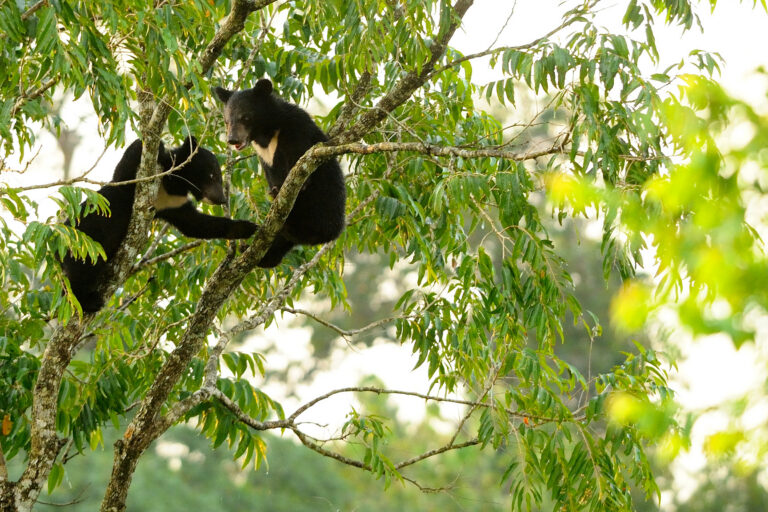
A recent study published in Global Ecology and Conservation has suggested that ecotourism in northern Laos might be deterring hunters, but simultaneously keeping wildlife away from certain areas. The research, conducted by William Bleisch and his team, utilized camera-trap data collected between 2013 and 2019 to determine if the community-based ecotourism initiative operating in Nam Ha National Protected Area since 1999 has any positive impact on wildlife populations.
According to Bleisch, "Hunting is a really integral part of the local culture, some of it legal, some of it illegal." He and his colleagues wanted to determine whether the tourism activities were creating a "refuge" where hunting would be avoided, either due to the economic and social benefits of wildlife tourism or fear of being reported by guides or tourists.
The team set up camera traps at 59 sites across the landscape, with equal numbers both near tourism hotspots and in more remote areas. They identified a total of 45 species of medium to large mammals across the entire landscape, including 15 globally threatened species. The researchers found an average of 4.58 species at sites close to trekking trails and kayaking routes, which is almost twice as many as the 2.59 species recorded at more remote locations within the forest reserve.
Written by urgent.news from Mongabay's reporting — not their text. Machine-written — may contain errors; check the original before relying on it.