Dissent Fuels Democracy; Slander Corrodes It—Never Confuse The Two
Democracy, like science, advances on fierce disagreement, born out of rationality, not abuse. The history of science has taught us that dissent can never be suppressed with power or force, nor will dissent be heard when abuse becomes the language of disagreement. This distinction between disagreement and denigration appears increasingly lost in India’s political discourse. It is time that both…
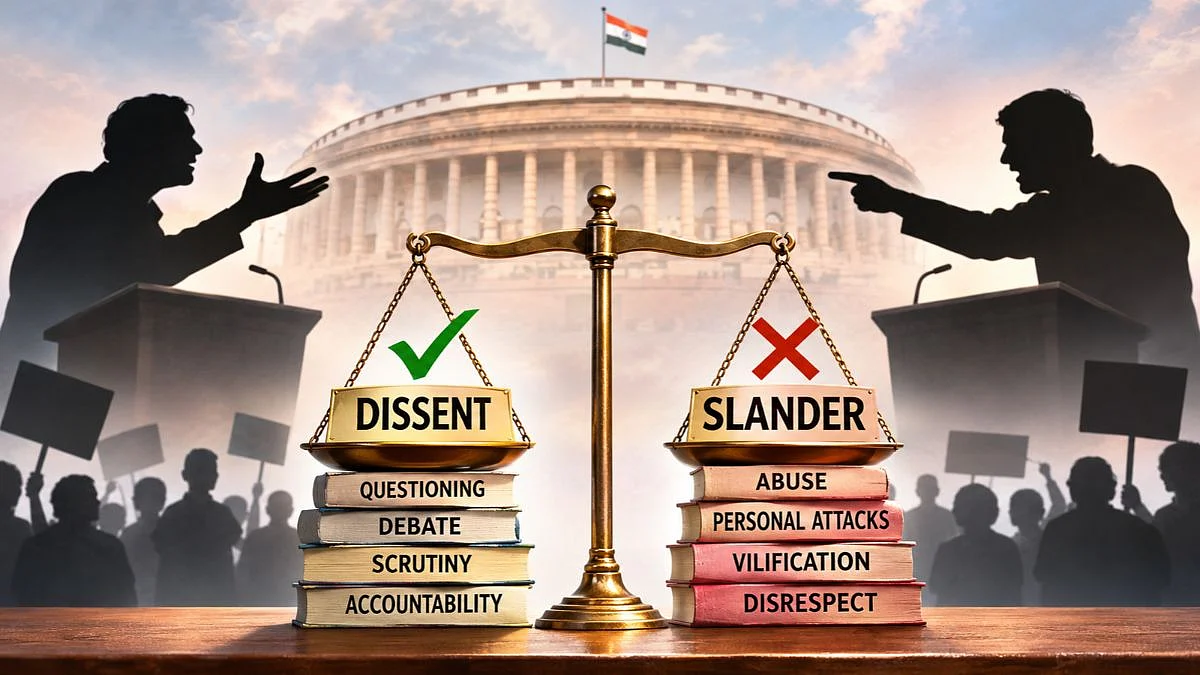
Democracy flourishes when individuals openly challenge established norms and beliefs. As Atal Bihari Vajpayee famously stated, "democracy has space for Matbhed, not for Manbhed." This principle resonates throughout history, from the scientific discoveries of Einstein and C.V. Raman to the ongoing debates within the scientific community and museums. Dissent, when rooted in rationality and backed by evidence, is essential for progress.
Museums serve as public forums for disagreement, where competing viewpoints are tested against evidence, fostering truth. Similarly, the COVID-19 pandemic highlighted the importance of institutional scrutiny and correction of mistakes. However, the political discourse in India has lost the distinction between disagreement and denigration, as seen in the vitriolic language used by both ruling and opposition leaders.
Political leaders should embrace the idea of matbhed without manbhed – engaging in respectful disagreement rather than resorting to personal attacks. The opposition, like peer review in science, should check the complacency of power, questioning without diminishing the dignity of those involved. Unfortunately, political leaders often surround themselves with sycophants, leading to a culture of mollycoddling and enabling abusive behavior.
The consequences of such conduct are evident in the protests across India, where public anger has become a language of intimidation rather than peaceful dissent. Protest should not be intimidated or reduced to personal vilification. Civility and respect for opponents and institutions are crucial, even when challenging authority.
Political parties must hold their leaders accountable, while authorities must enforce rules consistently and broadcasters must resist rewarding abuse with disproportionate airtime. Citizens should also recognize that virality does not equate to validity. By embracing the principles of matbhed without manbhed, India can uphold its constitutional democracy and ensure that free speech remains protected and respected.
Written by urgent.news from Free Press Journal's reporting — not their text. Machine-written — may contain errors; check the original before relying on it.