DIGITAL POLITICS OP-ED: The anti-foreigner movement squares up to the state in run-up to elections
From xenophobic campaigning to farm attacks and coordinated influencer messaging, political factions sharpen their attacks on the government and rivals before the 4 November local elections.
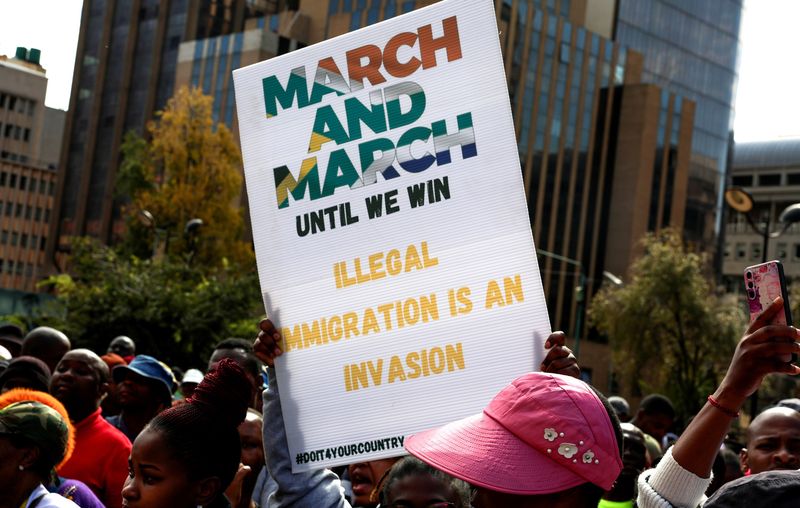
As the 4 November local elections loom, political factions escalate their attacks on the government and rivals. The anti-foreigner movement has regained prominence, targeting the state itself. The acting police minister sought to prevent a protest in Durban, while President Ramaphosa deployed soldiers to KwaZulu-Natal. Jacinta Ngobese-Zuma of the movement claimed the government was at war with its citizens, drawing comparisons to the Marikana massacre.
Political conversation on X increased by nearly 25%, with the anti-foreigner movement dominating 43% of posts from just 25% of accounts. Their narratives centered on accusations that the state was silencing them, that the army protected foreigners at the expense of citizens, and that foreigners were taking state money and posing a security threat. Ngobese-Zuma's community was particularly active, posting 32% of all X posts from 17% of accounts and having the highest average engagement score.
The EFF, however, saw a decline in online discussion. Campaigners pushed back against the anti-foreigner movement's accusations, with EFF leader Julius Malema addressing rallies and condemning the alleged infiltration of their party.
Written by urgent.news from Daily Maverick's reporting — not their text. Machine-written — may contain errors; check the original before relying on it.