Digital billboards across the globe hacked to show porn, attackers say "anyone with two brain cells" could do it
The most visible hack took place on a digital billboard stretching across one of Egypt's biggest highways: the 26th of July Axis in Giza. Drivers stopped their cars to film as the screen broadcast the adults-only material, which was overlaid with the text "Leaked by: Ch, 19ylegal never and nivex"... Read Entire Article
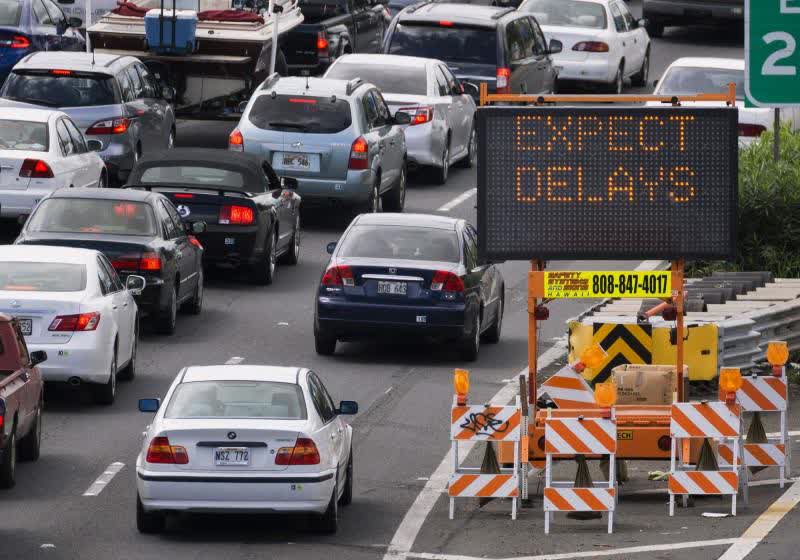
Digital billboards have once again been hacked to display pornographic content, this time on a global scale. A group claiming responsibility, Leakers$, stated that the hack was so simple that anyone with basic technical knowledge could have executed it. The most notable hack occurred on a digital billboard along Egypt's 26th of July Axis in Giza, where drivers stopped their vehicles to capture footage of the explicit material being broadcast.
The billboard displayed the message "Leaked by: Ch, 19ylegal never and nivex" along with the Telegram handle @LeakersGov.
Egypt's Interior Ministry attributed the cyberattack to a breach of the website of an international company contracted by the billboard's operator. They confirmed that the attack caused the pornographic content to appear in multiple countries simultaneously, triggering legal proceedings. Al Arabia United, the Egyptian operator, reported shutting down the affected screen and is currently cooperating with authorities to investigate the incident.
Malaysia's Kluang Municipal Council also reported that several public LED screens had been compromised, leading them to switch off their screens and investigate the security breach alongside their vendor. Reported incidents have also been confirmed in Brazil, Iraq, and China. The group Leakers$ exploited a flaw in the software used to send content to LED displays, gaining access to systems in numerous countries within two hours of the initial scan.
Their intention was not to extort a ransom but to expose the poor security measures of the affected systems.
Written by urgent.news from TechSpot's reporting — not their text. Machine-written — may contain errors; check the original before relying on it.