Could government spending cuts help fight inflation? Here are the facts
The Reserve Bank is tipped to increase interest rates tomorrow because of an ongoing concern that inflation is not under control. But is there an alternative?
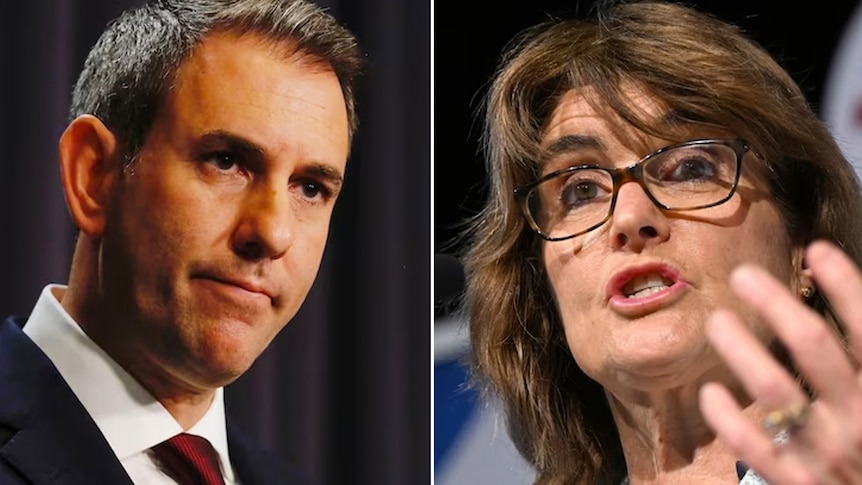
Government spending cuts are being considered as a potential solution to combat inflation, despite the conventional use of interest rate hikes. Inflation occurs when an economy generates more demand than it can supply, driving prices upwards. The Reserve Bank recently signaled its intention to raise interest rates for the fifth time this year, highlighting the difficulty in controlling inflation.
In the past year, inflation has been attributed to factors such as the Middle East war, an AI investment boom, and Australia being above capacity before these events.
Economists emphasize the importance of addressing inflation to prevent it from becoming entrenched in an economy, as high inflation adversely affects all Australians, particularly those with the lowest incomes. The Reserve Bank's primary instrument for combating inflation is higher interest rates, which suppress demand by increasing the burden on existing borrowers and discouraging new borrowing.
The government, on the other hand, has a more targeted approach through its budget, allowing it to choose specific programs to cut or tax increases. However, implementing these measures is politically sensitive, as voters expect relief in the form of tax cuts or subsidies during periods of high inflation.
Treasurer Jim Chalmers argues that the government strikes a balance between addressing inflationary pressures and managing fiscal responsibilities. While overall spending under the Albanese government is high, it is largely focused on long-term factors that are challenging to control. The budget balance has improved in most years, but this includes factors the government cannot control, such as the impact of inflation on income tax.
Stripping out these external factors reveals a different picture, with the government's budget balance deteriorating each year due to its decisions.
Several significant government decisions have been scrutinized in relation to inflation. These include changes to bulk-billing, cheaper child care, tax cuts, and various other policies. While the government defends these spending decisions as unavoidable, critics have pointed to specific policies that could be cut to alleviate inflationary pressures. However, such actions would have significant implications for the recipients of these programs and potentially impact the government's political standing.
Written by urgent.news from ABC News AU's reporting — not their text. Machine-written — may contain errors; check the original before relying on it.