Consumer prices up 2.8 pct in Oct., remain in 2 pct range for 2nd month
SEOUL, Nov. 3 (Yonhap) -- South Korea's consumer prices rose 2.8 percent in Octo...
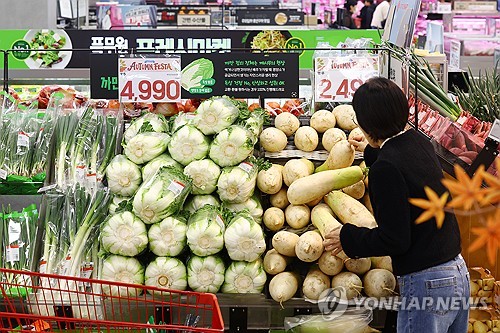
Consumer prices in South Korea climbed 2.8 percent in October from a year ago, remaining within a 2 percent range for the second consecutive month, according to data from the Ministry of Statistics and Information. Agricultural product prices continued to decline, while energy costs remained elevated, resulting in a 0.14 percentage point reduction in the overall inflation rate.
Petroleum product prices experienced the largest increase, rising 14.9 percent on-year, which contributed 0.56 percentage point to the month's inflation. Diesel prices surged by 19.7 percent, while gasoline prices increased by 11.6 percent. Industrial product prices rose 4.4 percent on-year due to higher global energy prices, with mobile phones and computers seeing price increases of 10.8 percent and 26.2 percent, respectively. Imported automobile prices, however, fell by 3.9 percent.
Agricultural, livestock, and fishery product prices fell by 1.7 percent, lowering the overall inflation rate by 0.14 percentage point. The service sector's prices increased by 2.7 percent, driven by higher insurance premiums and overseas package tour prices, which climbed 13.4 percent and 11.5 percent, respectively. Dining-out prices rose 2.9 percent on-year, marking the highest increase since February, and contributed 0.42 percentage point to the overall inflation rate.
Electricity, gas, and water prices went up by 0.4 percent. Core inflation, excluding food and energy prices, stood at 2.8 percent on-year in October. The fuel price cap system is credited with lowering October's inflation rate by 0.8 percentage point, according to a separate release from the Ministry of Finance and Economy.
First Vice Finance Minister Kwon Dae-young noted that while processed food prices rose, those of agricultural, livestock, and fishery products fell, resulting in an overall consumer price increase of 2.8 percent. The finance ministry plans to closely monitor prices related to people's livelihoods and take necessary measures, such as revamping the distribution system and addressing unfair practices like price collusion.
The government will also allocate 64 billion won to ease household financial burdens through discount events ahead of the annual gimjang season.
Written by urgent.news from Yonhap News's reporting — not their text. Machine-written — may contain errors; check the original before relying on it.
This story
This is one outlet's version. Read the fullest account.