Code is no longer scarce: Hostinger’s Auksė Žirgulė on what founders should build instead
At TechSparks 2026, Hostinger’s VP of Product explained that as building gets easier, customer obsession, trust, and product judgment decide who wins.
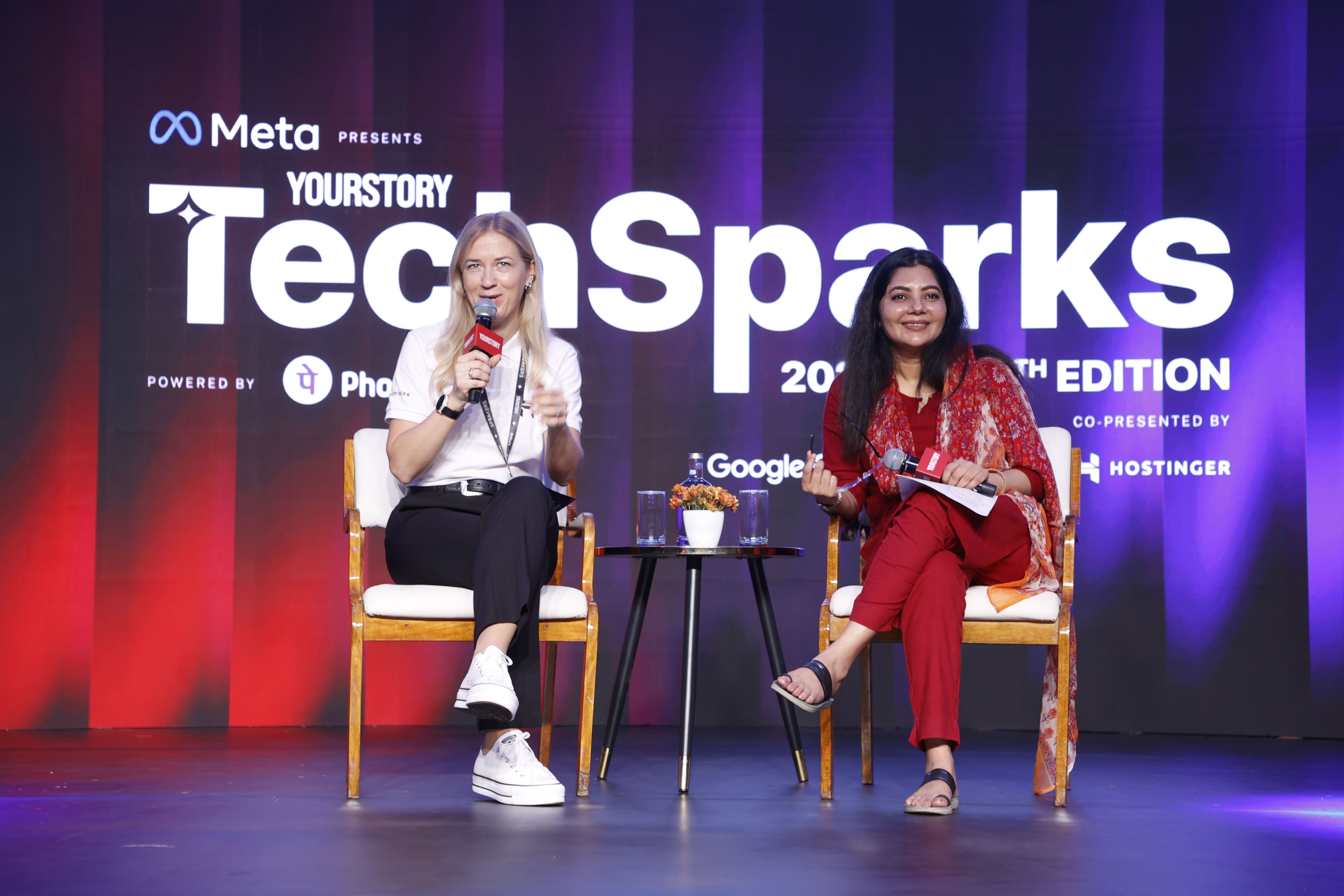
At the TechSparks 2026 event in Bengaluru, Hostinger's VP of Product, Auksė Žirgulė, discussed the evolving landscape of founder responsibilities in a world where building software is no longer a barrier. Žirgulė shared insights from yourstory.com's flagship event with Shradha Sharma, Founder and CEO of YourStory and The Bharat Project.
Initially, publishing a website was a challenge for non-technical individuals, but advancements in AI have changed the game. Now, founders are focusing on attracting clients, driving revenue, and running their businesses rather than grappling with software development. However, this newfound ease in building has led to fragmentation as founders use multiple platforms, resulting in numerous subscriptions and logins.
When issues arise, founders often find themselves in the role of technicians or integration specialists.
Žirgulė emphasized that with code no longer scarce, the key to success lies in understanding the customer. Founders must identify the problem they are solving and test their product early on. Innovation, she argued, is not about inventing something entirely new. Apple's success with the iPhone, for instance, can be attributed to delivering an exceptional customer experience, rather than creating something entirely unique.
She also referenced the book 'Monetizing Innovation' to stress that a great product does not always translate to a great business. Founders must consider their product's market reach from the outset, as simply having a great product is not enough.
One crucial aspect Žirgulė highlighted was customer obsession. Despite the prevalence of AI, she stressed that this principle must remain unchanged. Customer obsession is the foundation of a successful business, and it goes beyond automated surveys; it involves genuine conversations with customers. In addition, she noted that customers may not always be where founders expect them to be.
For instance, during The Bharat Project's travels through Bihar, eastern Uttar Pradesh, Assam, and Chhattisgarh, they encountered customers engaging with them on Facebook rather than through expected channels like email or WhatsApp.
As AI agents become more involved in decision-making, the question of who ultimately makes the final call arises. Žirgulė maintained that, for now, it is still the founder. While AI can assist in various processes, the founder ultimately has the final say. Trust is crucial in this context, as the CEO shared a story of an agent at Hostinger agreeing to a conference via email, only for the CEO to learn of his participation on LinkedIn. Žirgulė advised treating AI agents like new employees, testing their work and closely observing their behavior before granting them more responsibilities. Trust is vital, as it is frequently tested and earned.
Sharma pointed out the differences in adoption cycles among various markets, citing India and Brazil as examples. This suggests that products must adapt to suit each market's unique needs. Žirgulė agreed that adoption cycles differ and emphasized the importance of educating those who are not yet convinced about the value of AI.
Written by urgent.news from YourStory's reporting — not their text. Machine-written — may contain errors; check the original before relying on it.