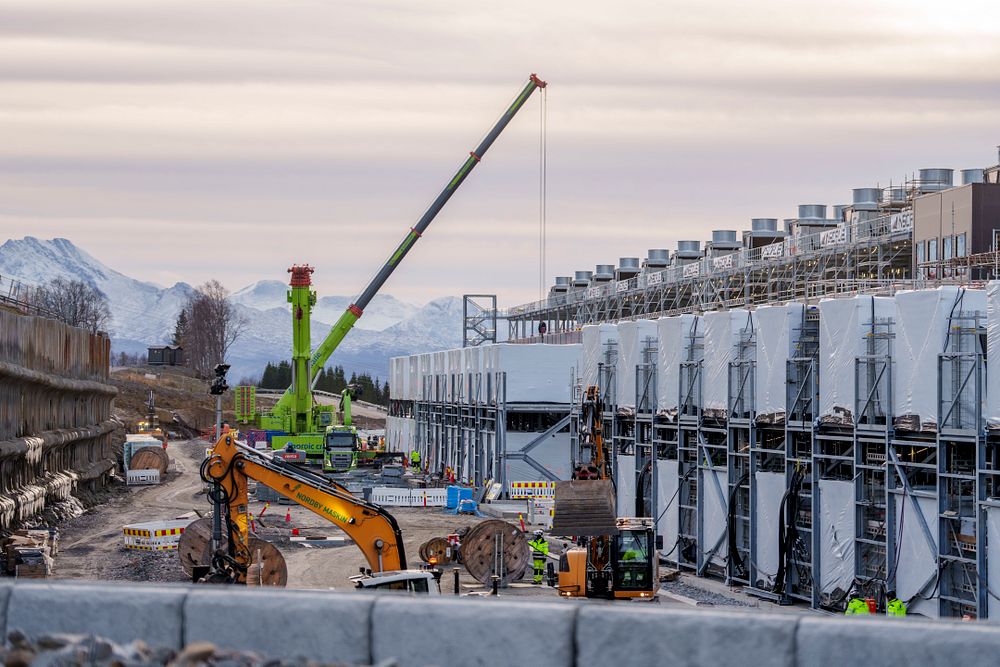
Building resilience for the world's growing energy needs
This year has tested the resilience of the global energy system. Geopolitical tensions, supply chain disruptions and rising demand pressures have placed energy security firmly at the top of government and industry agendas around the world. Yet despite the volatility, energy markets have continued to supply the fuel, power and products that underpin economic growth. One reason is that resilience…
The global energy landscape faced significant challenges in 2023, including geopolitical tensions, supply chain disruptions and rising demand pressures. However, energy markets managed to maintain the flow of fuel, power and products that support economic growth. In the United Arab Emirates, the Abu Dhabi Crude Oil Pipeline linking Habshan to Fujairah has been crucial in maintaining crude exports despite traditional shipping routes facing disruption.
Built in 2012 with a capacity to transport up to 1.8 million barrels per day, the pipeline exemplifies the long-term planning and infrastructure investments deemed essential for energy security. UAE Minister of Energy and Infrastructure Suhail Al Mazrouei expressed optimism about the UAE's energy output, attributing the resilience to long-term planning and investments made before they were urgently needed.
Despite energy security being a dominant economic concern, the sector has adapted better than expected. Nearly two-thirds of senior industry leaders reported performance exceeding expectations, according to the inaugural Adipec Global Energy Power Shift report, with 77 per cent of 1,800 respondents remaining optimistic about the decade ahead.
Energy remains a crucial engine of the world economy, with global GDP expansion projected at 3.1 per cent this year, according to the International Monetary Fund. However, numerous systemic pressures are expected to challenge future energy security, including population growth, urbanization, industrialization, higher living standards, and the need for more energy as emerging economies drive more than 80 per cent of the increase in energy demand.
Industry, which accounts for 37 per cent of global final energy consumption, will also add pressure as artificial intelligence deployment expands. The interconnected and complex energy system will require more reliable and adaptable solutions. The upcoming Adipec Strategic Conference will discuss the necessary decisions, partnerships and capital to expand energy supply, accelerate infrastructure delivery and strengthen long-term system performance.
Written by urgent.news from The National Business's reporting — not their text. Machine-written — may contain errors; check the original before relying on it.
This story
This is one outlet's version. Read the fullest account.
- Building resilience for the world's growing energy needs thenationalnews.com