BOJ signals low hopes for consumer spending as population falls
Private consumption accounts for about half of Japan's economy, making its strength a key consideration for the central bank.
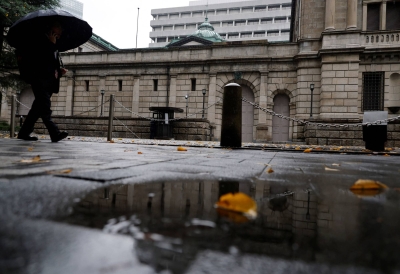
The Bank of Japan (BOJ) has indicated that Japan's shrinking population is making it increasingly challenging to achieve robust growth in consumer spending, suggesting that weak aggregate consumption alone may not signal deteriorating household demand. In its quarterly outlook report, the BOJ stated that the accelerating population decline since 2020 is a key factor.
In 2025, Japan's population fell by 2.5% compared to five years prior, marking the fastest decline on record since 1920 and three times the rate seen in 2020. Private consumption constitutes nearly half of Japan's economy, making its strength crucial for the BOJ's decision on potential interest-rate hikes. The BOJ's central bank governor, Kazuo Ueda, maintained the status quo last week, despite previous rate increases in September.
Some analysts, including BNP Paribas and Daiichi Life Research Institute, forecast a decline in consumer spending in the upcoming third-quarter GDP data due on November 16, marking the first decrease in over two years. However, the BOJ's analysis suggests that this decline alone may not be sufficient to warrant further rate hikes.
Despite Japan's economy reaching a record high, aggregate consumer spending still lags behind pre-pandemic levels. The BOJ's estimate highlights this discrepancy, as per capita consumption early this year was about 4% higher than in 2015, while aggregate consumption has remained nearly flat. This signals the growing need to differentiate between weakening driven by deteriorating household demand and sluggishness resulting merely from a shrinking population when policymakers evaluate the economy. The BOJ will deliver its next policy decision on December 18.
Written by urgent.news from Japan Times's reporting — not their text. Machine-written — may contain errors; check the original before relying on it.