Bangladesh garment factories shut again as wage protests turn violent
The government has formed a six-member wage board to address workers’ demands for a monthly minimum wage increase amid rising inflation and living costs.
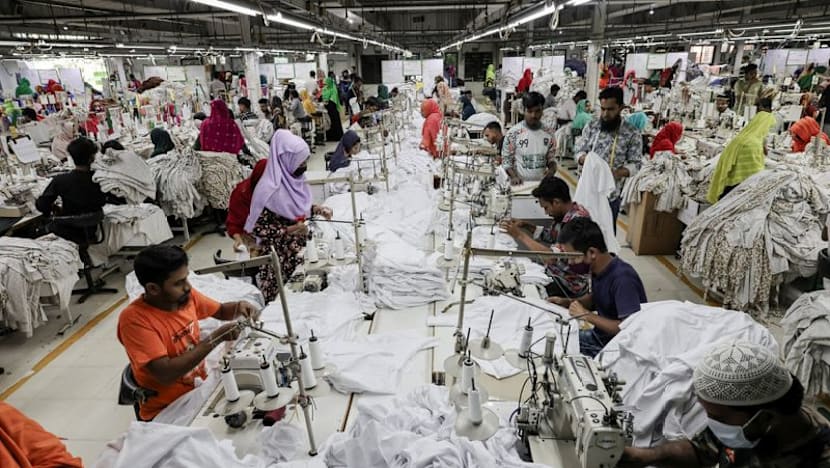
Bangladesh's garment factories temporarily restarted operations on November 2, following a nationwide strike the previous day, but fresh confrontations between laborers and authorities compelled numerous plants to suspend production once more. The unrest has sparked apprehensions about delivery delays and buyer trust in Bangladesh, a crucial supplier to renowned brands such as H&M, Zara, Walmart, and Primark, at a pivotal juncture in the manufacturing schedule for spring and summer export orders.
Workers advocating for a minimum monthly wage of 30,000 taka (approximately US$243), up from the current 12,500 taka, obstructed roads, demolished factories, and clashed with police in key manufacturing zones, resulting in 679 factories halting production. Bangladesh ranks as the world's second-largest garment exporter after China, with the ready-made garment sector contributing over 80% of the country's export revenues. It employs about 4 million individuals and constitutes roughly 10% of the nation's economic output.
The government established a six-person wage board on Sunday to examine workers' demands, which have intensified due to persistent inflation and escalating living expenses. Police deployed tear gas to disperse garment workers attempting to obstruct roads in Dhaka after protesters hurled bricks and stones at officers. Clashes also occurred in Ashulia and Gazipur, two manufacturing centers near the capital.
Police and industry representatives reported protesters setting ablaze a police vehicle and damaging multiple factories.
The unrest follows Sunday's demonstrations and factory shutdowns, with workers persisting in demanding higher wages and the resolution of employment grievances. Babul Akhter, general secretary of the Bangladesh Garment and Industrial Workers Federation and a workers' representative on the wage board, remarked that Bangladesh boasts some of the lowest garment wages globally.
If factory owners cannot compensate workers adequately, they should negotiate more favorable terms with international buyers, Akhter stated. Factory proprietors cited higher costs, energy market volatility due to Middle East conflicts, and declining demand in crucial export markets as obstacles.
Mahmud Hasan Khan, president of the Bangladesh Garment Manufacturers and Exporters Association, reported that around 20 to 25 factories were vandalized during the unrest, and the office of a leather goods factory was also attacked. If this persists and factories are continuously compelled to cease operations, the industry will have no choice but to employ the "no work, no pay" clause, Khan warned.
Home Affairs Minister Salahuddin Ahmed pledged stringent measures against those who act against workers' interests under the guise of labor protests and attempt to destabilize the country. Selim Raihan, an economics professor at the University of Dhaka, acknowledged the workers' demands as reasonable given the high inflation but cautioned that a significant wage increase could escalate production costs, erode profit margins, and diminish Bangladesh's price competitiveness.
He emphasized that a gradual wage adjustment, enhanced productivity, and equitable pricing from international buyers are vital to balancing workers' welfare with industrial sustainability.
Written by urgent.news from Channel News Asia's reporting — not their text. Machine-written — may contain errors; check the original before relying on it.