As UN peacekeeping mission in Western Sahara ends, refugees cling to hopes of return
At 51, Binina Mohamed is as old as the conflict that drove her from the Western Sahara region into a refugee camp in southern Algeria, where she has spent her life among tens of thousands of others facing a similar fate. The confrontation over her native land, often described as Africa’s longest-running territorial dispute, was brought back into focus this weekend by a UN Security Council row…
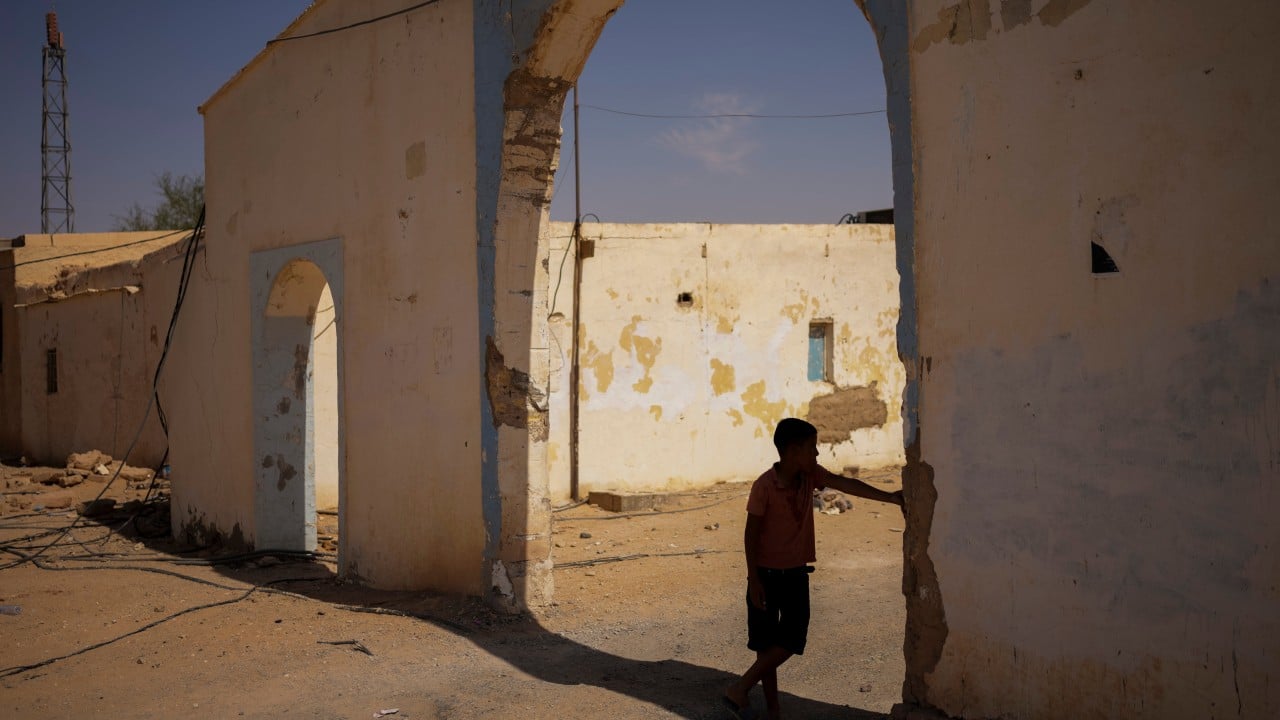
At 51, Binina Mohamed has spent her life as a refugee in southern Algeria, where she fled decades of conflict in Western Sahara. This territory, often called Africa's longest-running dispute, now finds itself in the news due to the UN Security Council's decision to end a peacekeeping mission there. The conflict, between Morocco, which claims the land, and the Polisario Front, backed by Algeria, has been ongoing since Spain's departure in 1976.
UN peacekeepers have been present since 1991, overseeing the territory after a ceasefire brokered by the UN.
Mohamed's daughters, now in their twenties and thirties, have never set foot on the land they call home. "I do not want them to reach the age of 50 without seeing their homeland," she said, emphasizing her desire for her family to return. One daughter, Safia Al-Saleh, 33, hopes her own children will have a brighter future, free from refugee camps. "I want my children and my grandchildren to study and grow up in their own country," she added.
The current situation has become a focal point in recent diplomatic tensions. Last year, the UN Security Council supported Morocco's proposal for autonomy within Moroccan borders, but Russia vetoed a similar resolution in 2022. This left the UN mission without a mandate to continue. Algeria's UN representative defended the Polisario Front's stance, pointing to the worsening conditions and aid shortages in the refugee camps.
Morocco countered, blaming Algeria for the refugees' plight and demanding the UN register the refugees, claiming the presence of other nationalities. Both countries dispute the exact number of refugees, with Algeria and the Polisario claiming over 160,000, while UNHCR estimates 90,000 "vulnerable" refugees.
Despite the challenges, Mohamed's family and others in the camps express hope for a more stable future. "We are tired of being refugees," Mohamed said, echoing the sentiment of her daughter, Aisha Salem, a 24-year-old Polisario Front fighter who wants a different life for the next generation. "We don’t want to live the way our grandparents did, through displacement and deprivation."
Written by urgent.news from South China Morning Post's reporting — not their text. Machine-written — may contain errors; check the original before relying on it.