Apple finally has a touchscreen MacBook. Why now?
Apple is introducing a touchscreen laptop in the MacBook Pro with a PROLED XDR Display. Here's where it falls in the long timeline of touchscreen laptops.
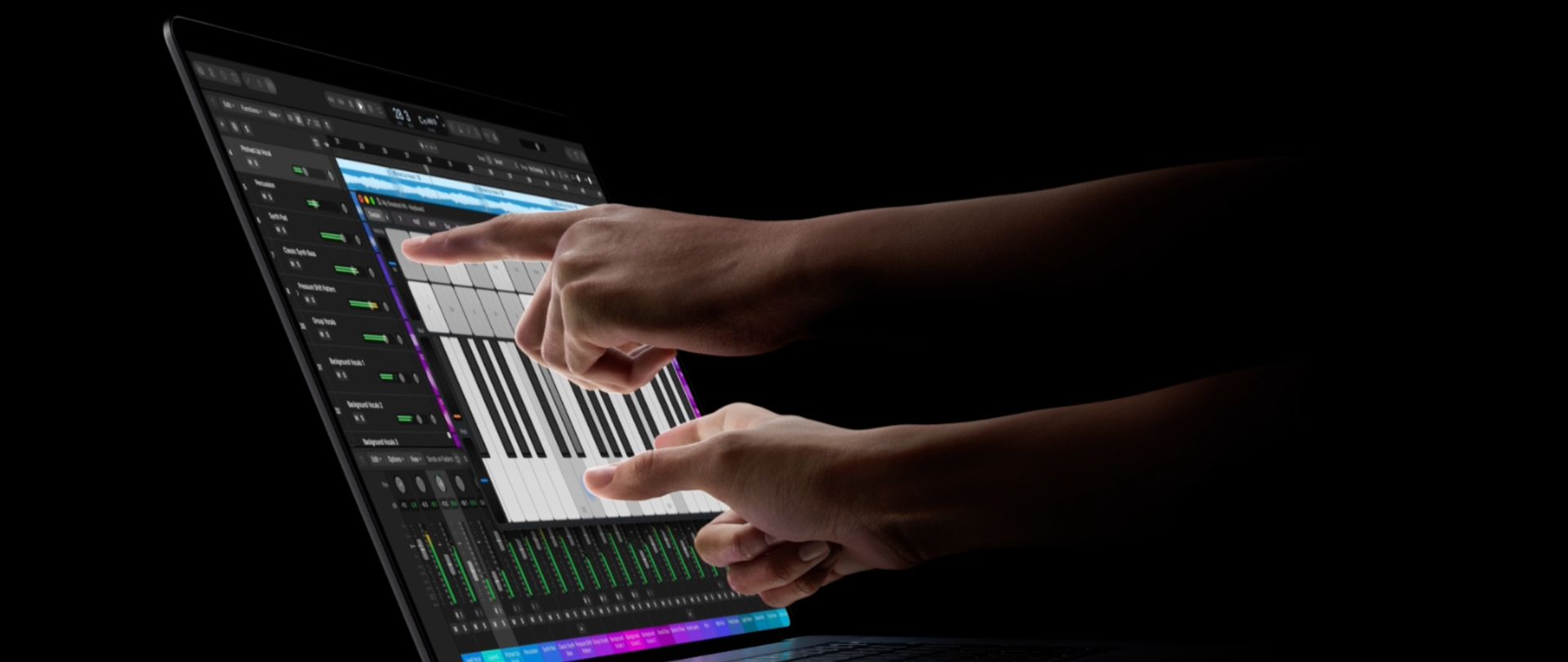
Last week, Apple introduced two new display technologies to the MacBook Pro: OLED and touch support. The company has been using OLED in its iPhone, Apple Watch, and iPad Mini for years, but touchscreens have been absent from its laptops. Former Apple CEO Steve Jobs famously criticized touchscreen laptops in 2010, citing ergonomics and fatigue.
Despite this, Apple has finally added touch support to its 14-inch and 16-inch MacBook Pros with PROLED XDR displays. The devices are lighter than previous MacBook Pros, feature updated speakers, and come with a higher price tag. Apple's decision to incorporate touch appears to be driven by creator demand and a desire to create a premium segment in the pro lineup.
While touchscreens have become ubiquitous on Windows PCs and Chromebooks, Apple has hesitated to adopt the technology on its laptops. However, some Mac users have expressed a desire for touch, particularly creators who find touch natural given their use of iPhones and iPads. The addition of touch to the MacBook Pro raises questions about its long-term viability, as it still needs to reach the most popular devices and coexist with the traditional keyboard and mouse setup.
Apple has also introduced system gesture APIs to improve touch support in its macOS applications, but the company has not removed the keyboard and touchpad.
Written by urgent.news from Tom's Hardware's reporting — not their text. Machine-written — may contain errors; check the original before relying on it.
This story
This is one outlet's version. Read the fullest account.