ActionAid Warns Debt Crisis Is Undermining Africa’s Climate Action
The reports warn that rising sovereign debt and the continued reliance on loans rather than grants for climate financing are worsening the financial constraints facing developing countries.
Nairobi, Kenya – African nations susceptible to climate change are allocating substantial public funds towards debt repayments, detracting from climate action, food security, and resilience initiatives, according to a recent report by ActionAid. The reports caution that escalating sovereign debt, coupled with ongoing reliance on loans instead of grants for climate financing, is escalating the financial burdens faced by developing countries.
Teresia Anderson, ActionAid International's Global Lead on Climate Justice, emphasized that the convergence of climate change and mounting debt is engendering a vicious cycle wherein countries are compelled to borrow to recuperate from climate-induced disasters, leaving fewer resources for future risk mitigation. Anderson pointed out that the intersection of the climate and debt crises, dubbed the "climate debt trap," is now a critical issue. Governments are now spending more on debt repayment than on adaptation, healthcare, and education.
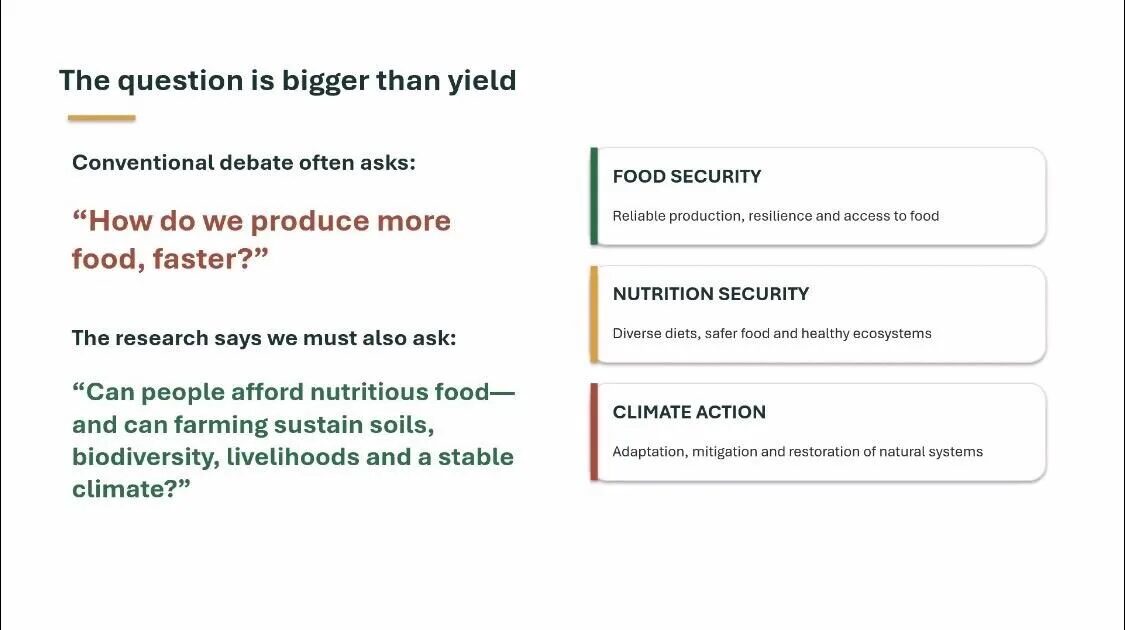
The reports also spotlight agroecology as a potential remedy to Africa's food security and climate resilience challenges, arguing that sustainable farming techniques can boost agricultural productivity while diminishing reliance on expensive imported inputs. The report, titled "Agroecology: Adapt to Thrive," draws on data from ten African countries: Ethiopia, The Gambia, Ghana, Kenya, Malawi, Nigeria, Tanzania, Uganda, Zambia, and Zimbabwe.
The study advocates for the expansion of agroecology, citing evidence that this approach can yield equal to or higher results than industrial farming while decreasing production expenses and bolstering farmers' resilience to climate change-induced challenges. In Tanzania, pigeon pea and sorghum yields nearly tripled under agroecological farming methods.
In Zambia, maize yields surged up to 100% on agroecological demonstration plots, while Kenyan farmers noted a 37.8% increase in profits following the transition to the approach.
Despite these advantages, the report notes that public agricultural financing in several African nations continues to prioritize industrial farming inputs, such as synthetic fertilizers and hybrid seeds. In 2023/2024, subsidies mainly directed towards imported synthetic fertilizers and hybrid seeds accounted for 80% of Zambia's agricultural budget and 50% of Zimbabwe's, according to the report.
Bavon Christopher, ActionAid Tanzania Country Director, urged African governments to increase investment in agroecology, enhance transparency in public financing, and reduce dependence on external borrowing to support climate and agricultural programs. He emphasized the importance of publishing public financing, reducing dependence on external debts, and persuading donors supporting climate financing to consider agroecology.
Christopher highlighted that agroecology could assist in restoring soil health, enhancing climate resilience, and augmenting food sovereignty, especially among women, who constitute 66% of agrifood employment in sub-Saharan Africa. The report further contends that agroecological farming provides both environmental and economic benefits by improving yields and farmers' incomes while decreasing dependence on pricey imported agricultural inputs and preserving ecosystems.
"This study consolidates evidence from ten African countries demonstrating that agroecology is both a climate solution and a financially viable option," the report states. ActionAid is now advocating for debt cancellation for climate-vulnerable countries and a transition from loan-based to grant-based climate financing to enable governments to invest more in climate adaptation and resilience.
The organization is also urging African governments to allocate at least 30% of their agricultural spending to agroecology by 2035. The recommendations aim to address the growing financial pressures on African economies while fortifying sustainable food production and safeguarding communities increasingly exposed to climate-related disruptions.
Written by urgent.news from Capital FM Kenya's reporting — not their text. Machine-written — may contain errors; check the original before relying on it.