Abu Dhabi restaurant menus to feature labels identifying healthier dishes
A small logo beside a dish on a restaurant menu could help diners choose healthier options by clearly indicating nutritional quality. Since October 1, the SEHHI food programme mark has appeared beside some dishes at hotel restaurants licensed by Abu Dhabi’s Department of Culture and Tourism, covering about 20 per cent of restaurants in the emirate. The mark identifies individual dishes that meet…
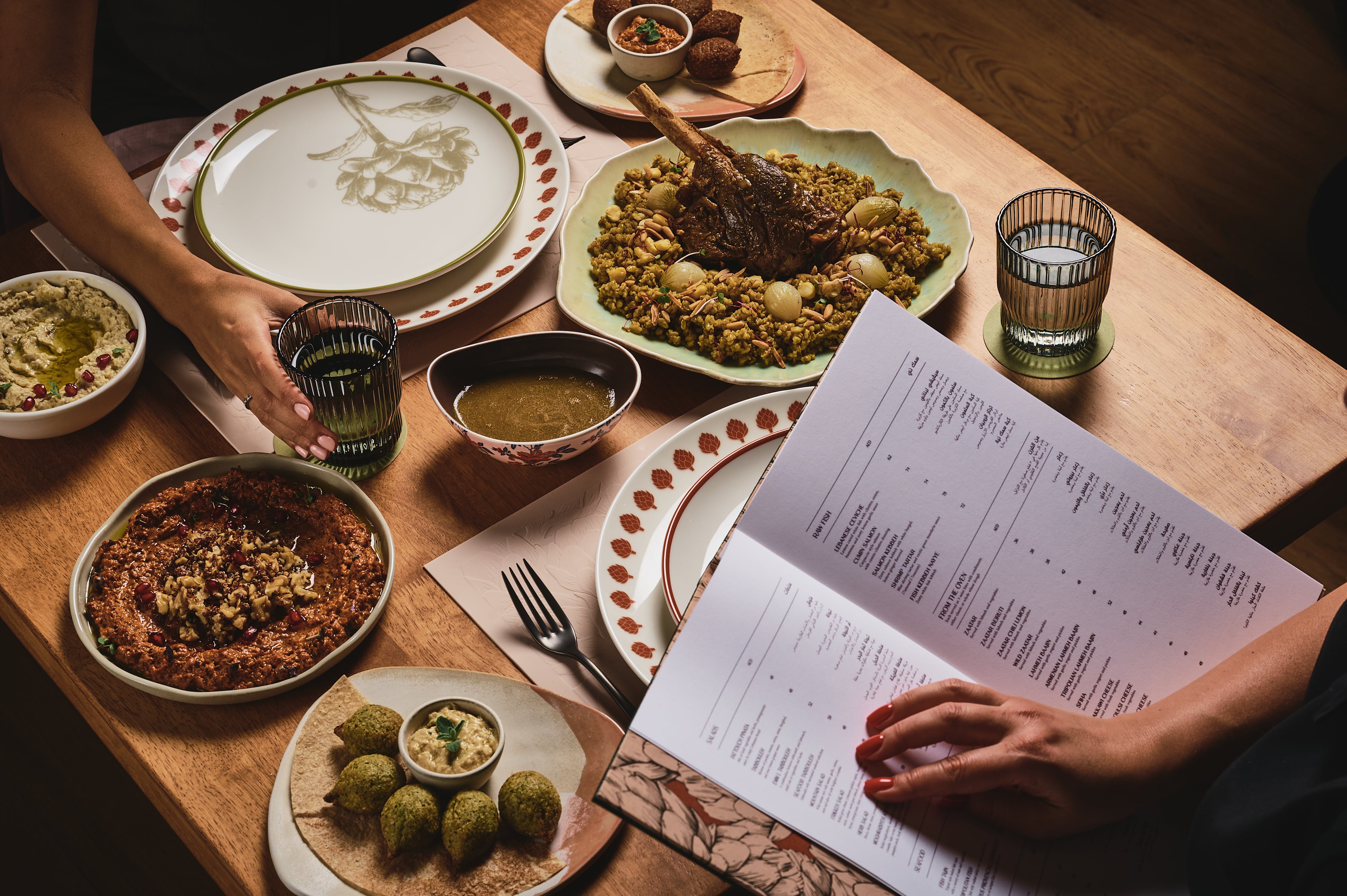
Starting October 1, restaurants licensed by Abu Dhabi’s Department of Culture and Tourism have begun displaying a small logo next to dishes on their menus. This SEHHI food programme mark signals dishes that meet the program’s nutritional criteria, rather than rating the entire menu. About 20 percent of restaurants in the emirate currently feature the mark.
Participating establishments are required to offer at least one qualifying dish in each adult menu category, such as starters, mains and appetizers, and at least half of the dishes on children’s menus must meet the criteria.
Dr Ahmed AlKhazraji, executive director of Healthy Living at the Department of Health – Abu Dhabi, explained that diners can still order any dish they prefer, but now they will know which options are healthier. The initiative is part of a broader effort by Healthy Living – Abu Dhabi, a government-backed movement aiming to make healthier choices easier through changes to everyday environments.
The program encompasses 28 initiatives across various sectors, including government entities, the private sector and communities, with the goal of improving access to healthier food, increasing awareness and encouraging more active lifestyles.
Dr AlKhazraji emphasized that non-communicable diseases (NCDs) like obesity, cardiovascular disease and diabetes account for three-quarters of global deaths. These diseases typically strike before the age of 70. He highlighted that health outcomes are influenced by factors beyond access to medical care, stating that most health determinants lie outside the formal health sector. According to Dr AlKhazraji, 19 of the 23 modifiable drivers of health are outside of healthcare.
The UAE recently announced new limits on sugar, sodium and fat in commonly consumed pre-packaged foods, including bread, flavored milk, flavored yogurt, processed cheese and high-salt snacks. These limits will be phased in from June 2027 to 2030. Healthy by Design, a joint white paper launched at the Abu Dhabi Future Health Summit, explores how behavioral science can reshape food and physical activity environments.
The paper, developed by the Behavioral Insights Team at Nesta, the UK’s Research and Innovation Foundation, the UAE Government’s Behavioral Science Group and Healthy Living, proposes practical measures to make healthier choices easier in daily life, many of which are already in place through Healthy Living and its partners.
Rasha Attar, director of the Behavioral Science Group, noted that while information is crucial for awareness, it is often insufficient to change behavior. Awareness alone does not bridge the gap between intention and action. She pointed out that reformulating commonly consumed products can enhance nutritional value without altering consumer purchasing habits.
Clearer labeling and changes to retail environments also play a role in guiding consumers toward healthier options. Research by the Behavioral Science Group demonstrated that Nutri-Mark, a front-of-pack labeling system, improved consumers' understanding of nutritional information by 30 percent.
The Abu Dhabi Registration Authority recently launched a responsible supermarket layouts initiative, set to begin on January 1, 2027. This initiative aims to alter product placement in supermarkets to reduce the prominence of high-fat, salt and sugar (HFSS) items, which will no longer be displayed in the most visible, high-traffic areas.
The Healthy by Design program extends these principles to physical activity, advocating for integrating more movement into school schedules and developing connected, shaded walking routes to make regular physical activity more accessible. The overarching goal is to transform environments so that movement becomes an integral part of everyday routines, shifting the focus from exercise as an additional activity to a natural component of daily life.
Written by urgent.news from The National Business's reporting — not their text. Machine-written — may contain errors; check the original before relying on it.
Also reported by 1 other outlet
- Abu Dhabi restaurant menus to feature labels identifying healthier dishes thenationalnews.com