A Microsoft exec says AI is killing the career ladder. But its replacement comes with a catch
Without a clear checklist for promotions, historically marginalized workers may face an intimidating climb.
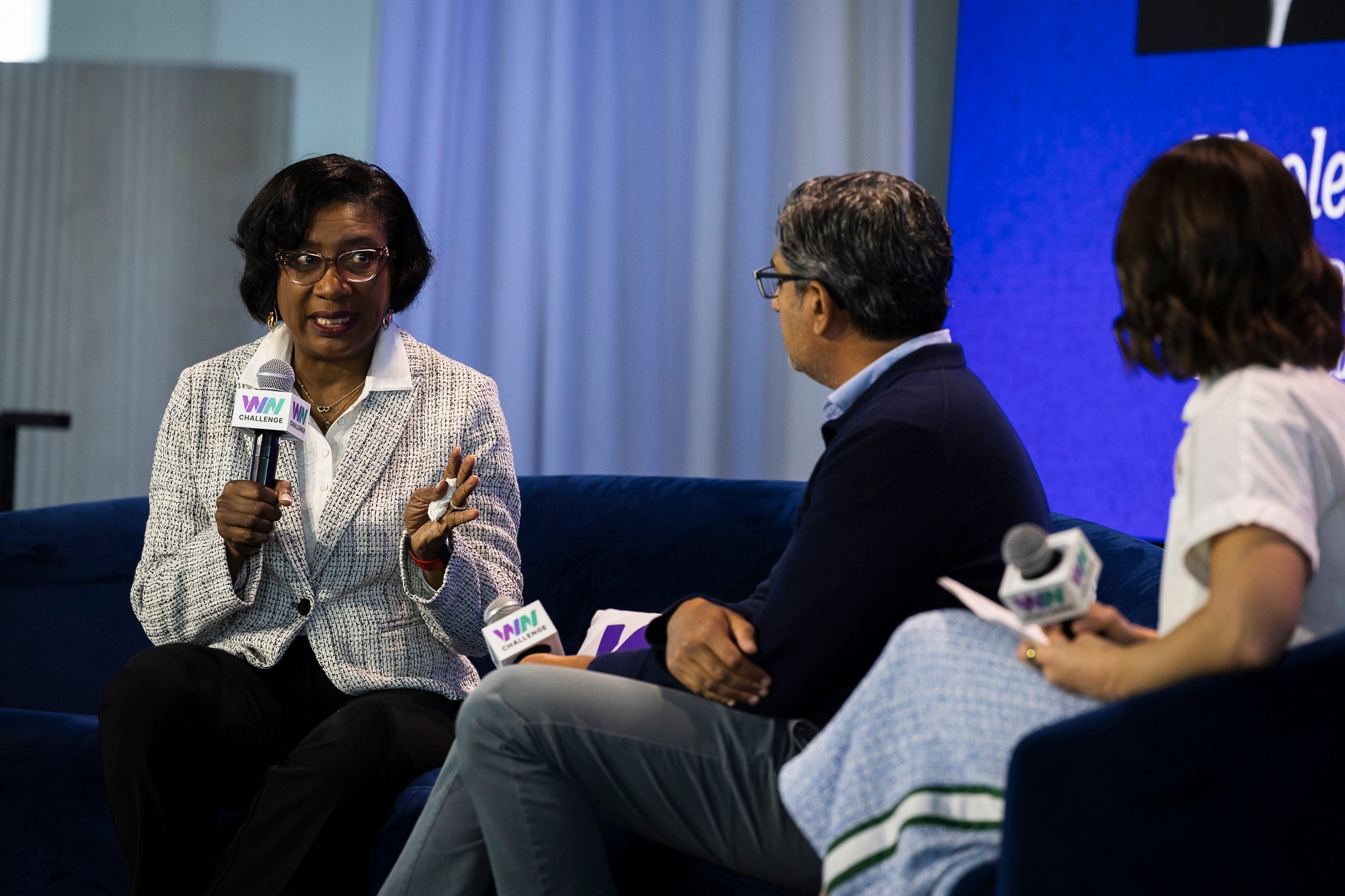
Microsoft's Aneesh Raman, the chief economic opportunity officer, has been warning that artificial intelligence is eroding the traditional career ladder. Instead, he foresees a "climbing wall," where workers shape their own career paths based on their distinct abilities, interests, and opportunities. But this shift raises concerns about its impact on women and other historically underrepresented groups, who tend to thrive under clear criteria for raises and promotions.
During a conversation at the Aspen Digital's WIN Summit, Raman conceded that the traditional career ladder's disappearance might be initially daunting. Nonetheless, he argued that it could empower workers to advance in ways that align with their strengths and aspirations. A key to this change, Raman suggested, is "radical transparency," whereby employees comprehend how AI influences their jobs and the avenues they have to mold their careers.
However, the distribution of benefits from this new career landscape may not be equal between men and women. A study by Nicole Smith, a senior researcher at the Pew Research Center, revealed that in occupations exposed to AI, men's employment grew by 6.3% for each one-point rise in occupation exposure, whereas women's employment remained largely unchanged.
Women with a high school diploma or less even experienced a decline in employment. Furthermore, Smith noted a disparity in how men and women perceive AI, with men displaying greater optimism and being more inclined to employ AI to seize new possibilities. To ensure gender equity in this evolving job market, Smith emphasized the need to broaden discussions and involve women.
Raman, on the other hand, believes that women could have an advantage in the AI era, citing their overrepresentation of uniquely human skills such as empathy and judgment, which will become increasingly crucial as AI transforms work. He forecasts that women will increasingly assume leadership roles, with women's representation on corporate boards potentially rising from around one-third to half or more.
The pressing question now is whether organizations can make career progression more adaptable without compromising equity.
Written by urgent.news from Fortune's reporting — not their text. Machine-written — may contain errors; check the original before relying on it.