5 smart home devices that save you money (and 3 that are a waste)
The secret to smart home technology isn’t making your house feel like a sci-fi movie—it’s focusing strictly on your return on investment. A handful of smart devices will pay for themselves within a year or two through lower utility bills and prevented disasters. Others, however, are expensive novelties that will never recoup their cost. Here are five smart home upgrades that deliver genuine…
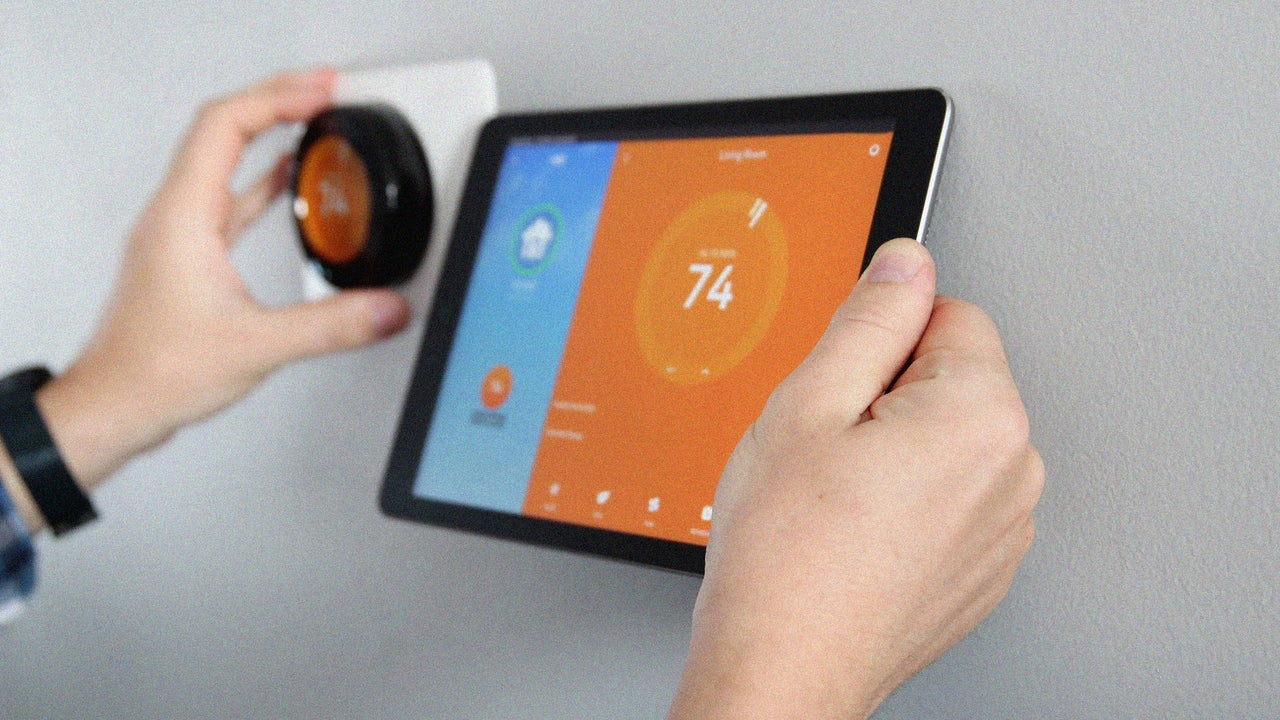
When it comes to smart home technology, the key isn't to turn your house into a futuristic scene from a movie, but to focus on upgrades that give you a solid return on investment. A handful of smart devices will pay for themselves within a year or two by lowering utility bills and preventing disasters. Other devices, however, are pricey novelties that never recoup their cost. Here are five smart home upgrades that actually save money, as well as three over-the-top gadgets you should avoid.
Smart thermostats are a smart investment. Heating and cooling make up over half of the average home's energy usage. Traditional programmable thermostats are problematic because people don't enjoy manually adjusting a clunky digital screen whenever their schedule changes. Smart thermostats like Nest and Ecobee leverage geofencing and motion sensors to automatically adjust HVAC settings when you're away, saving around 10% on heating and 15% on cooling. Many utility companies even offer rebates for installing these devices.
Smart water leak sensors are another smart purchase. An unnoticed slow drip can cause significant damage over time—ruining floorboards, rotting drywall, and breeding mold before you even notice puddles forming. A three-pack of basic Wi-Fi leak sensors costs less than $50 and provides instant notifications on your phone the moment water touches the sensor. Some insurance providers even offer policy discounts for connected leak detection hardware.
Smart plugs with energy monitoring are also worth considering. Even when turned off, devices like TVs, gaming consoles, and computers still draw "phantom power" or "vampire draw" from wall outlets 24/7. Smart plugs with real-time energy monitoring let you see exactly how much each outlet is consuming, allowing you to set auto-cut routines that completely disconnect power from media centers or home offices overnight, saving you money on idle electricity costs.
Smart sprinkler controllers are a smart upgrade for homeowners with large lawns. Traditional timers fire off sprinklers at the same time regardless of whether it rained earlier or a storm is coming. Connected controllers like Rachio sync with hyperlocal weather data to skip watering cycles automatically when rain, wind, or freezing temperatures occur. In spring and summer, homeowners with big yards can cut outdoor water usage by up to half.
On the flip side, there are three smart devices that are a financial waste. Touchscreen smart refrigerators are a terrible investment. The internal computer and display will stop receiving updates in just five years, while the fridge itself should last 15. Plus, the internal cameras meant to let you peek inside from the grocery store are often obscured by milk cartons and leftovers. You're paying a hefty premium for a screen that will likely lag long before the compressor gives out.
Motorized smart blinds sound fancy, but they don't make financial sense. Installing custom motorized shades in a typical home costs $2,000 to $5,000. While blocking out sunlight during hot summer afternoons does reduce solar heat gain a bit, the energy savings amount to maybe $20 to $30 per year. It would take more than a century of savings to justify the initial hardware expense.
Finally, connected appliance dongles and "smart" small gadgets are a waste of money. The market is flooded with microappliances that add app connectivity to raise retail prices. Devices like Wi-Fi-enabled trash cans that order garbage bags, smart soap dispensers, and connected toaster ovens solve nonexistent problems and introduce security risks and unnecessary app clutter. These gadgets offer zero energy efficiency gains and have higher failure rates than simple mechanical alternatives.
Written by urgent.news from Fast Company's reporting — not their text. Machine-written — may contain errors; check the original before relying on it.