Votes are Near, Debts Keep Rising
As fresh borrowing requests stir controversy ahead of the general election, Festus Akanbi examines the administration’s infrastructure defence and whether growing repayment obligations will leave Nigeria’s next government enough room to deliver
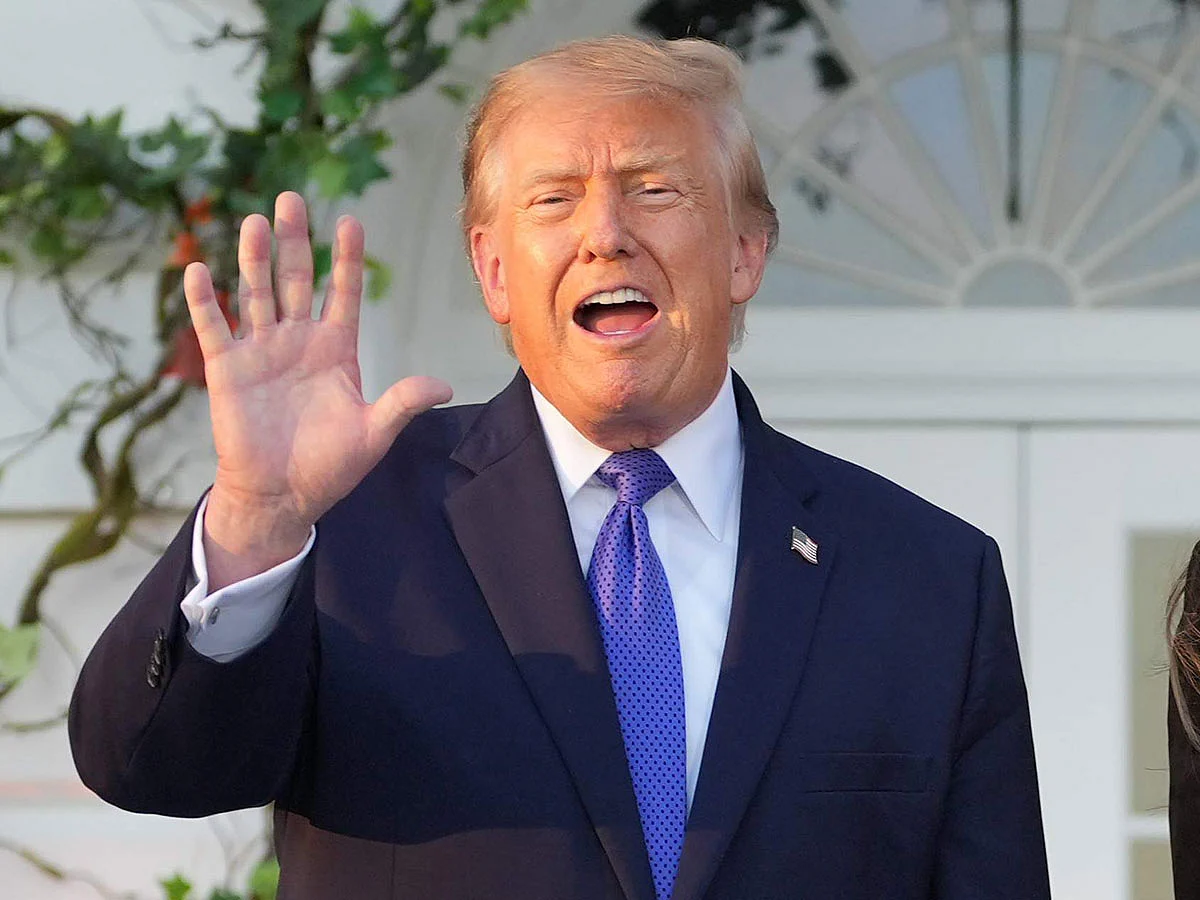
As the general election approaches, the Nigerian government faces scrutiny over its infrastructure investment and debt management plans. President Bola Tinubu's administration argues that foreign borrowing will fund productive infrastructure, create jobs, and support a $1 trillion economy by 2030. However, critics question whether the increasing debt obligations will leave the next government with sufficient capacity to deliver development.
The latest controversy centers around a request submitted to the Senate on October 27 for roughly $20.52 billion and €1.05 billion under the 2026-2027 Supplementary External Borrowing Plan. The proposed financing aims to cover infrastructure, agriculture, healthcare, education, and other programs. With the presidential election scheduled for January 16, 2027, the implications of this borrowing extend beyond the current administration.
In his essay, "From Reforms to Delivery: Our Infrastructure Investment and Growth Strategy," presidential spokesman Bayo Onanuga defends the administration's borrowing strategy. He contends that borrowing should be evaluated based on the assets and opportunities it creates. Tinubu highlights major infrastructure projects such as the Lagos-Calabar Coastal Highway, Sokoto-Badagry Superhighway, Trans-Sahara Superhighway, electricity upgrades, and port modernization as investments intended to enhance productive capacity.
The administration also emphasizes pursuing longer financing tenors aligned with infrastructure lifespans. This response aims to address critics' concerns. However, the effectiveness of these investments remains to be seen, as the anticipated benefits are still projected rather than established outcomes.
Nigeria's infrastructure deficit imposes costs on various sectors, including manufacturers, farmers, and households. Projects like roads, ports, and electricity systems that can improve production and government revenue require careful consideration of construction costs, borrowing terms, completion time, maintenance, and actual use. Simply promising economic gains does not guarantee their actual achievement.
The existing debt burden also contributes to public unease. As of June 2026, Nigeria's total public debt stood at N166.79 trillion, with domestic obligations at N91.59 trillion and external debt at N75.20 trillion. Exchange-rate movements and legislative approval processes can affect the value of foreign obligations. The immediate constraint on the government's capacity to manage its debt is revenue, with interest payments accounting for a significant portion of federal revenue.
The citizens' perspective highlights the need for tangible results, such as repaired schools, functional healthcare centers, and accountable expenditure. The administration must connect financing announcements to identifiable projects, expenditure records, and completed assets to address these concerns. While the IMF acknowledges reforms that have improved macroeconomic outcomes and resilience, the coexistence of aggregate improvement and household hardship underscores the challenges many Nigerians face.
Written by urgent.news from This Day's reporting — not their text. Machine-written — may contain errors; check the original before relying on it.