US daylight saving time 2026 ends; clocks fall back 1 hour, sleep experts object
Daylight saving time concluded on November 1, resulting in darker evenings and an extra hour of sleep. The debate continues over making daylight saving time a permanent fixture instead of switching twice yearly. Recent legislation has stalled in the Senate despite bipartisan support from the House. Public opinion favors maintaining standard time over permanent daylight saving time due to sleep…
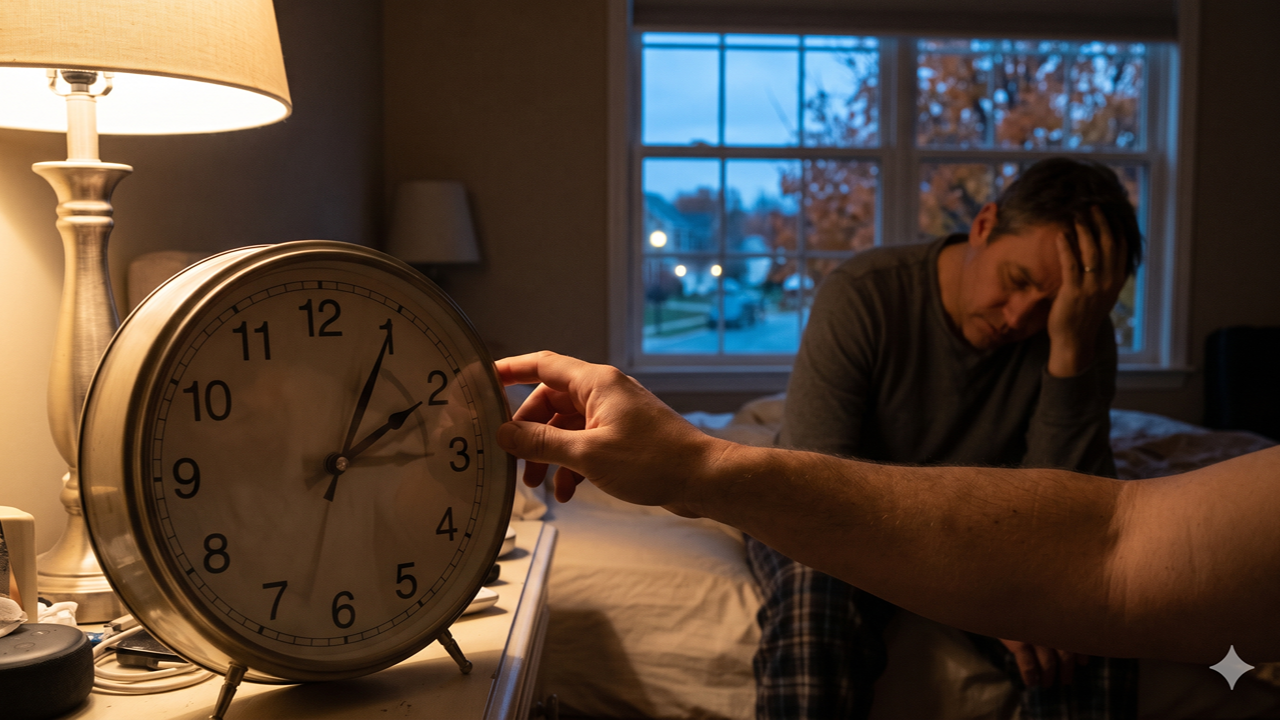
On Sunday, November 1, the United States concluded daylight saving time for 2026, with clocks moving back one hour at 2 am local time. This shift, which occurred the day after Halloween, granted many Americans an additional hour of sleep and darker evenings until mid-March. President Donald Trump advocates for making daylight saving time permanent, but sleep experts favor standard time year-round.
Smart devices update automatically, but home appliances and car dashboards require manual adjustment. Hawaii and most of Arizona do not observe daylight saving time, while US territories like Puerto Rico and Guam remain unaffected, as does the Navajo Nation in Arizona. The difference in sunset times is evident, with Boston witnessing a sunset shift from 5:39 pm to 4:37 pm on the day after the time change, according to the National Weather Service.
In India, the time difference widens to 10.5 hours from 9.5 with the East Coast and 13.5 hours from 12.5 with the West Coast. The Sunshine Protection Act, which would keep the US on daylight saving time all year, passed the House in July but has stalled in the Senate due to opposition from Arkansas Republican Tom Cotton. Sleep experts and the majority of Americans prefer standard time, as it aligns more closely with the body's natural sleep cycle.
Public opinion supports permanent standard time, with 48% favoring it and 24% supporting permanent daylight saving time. The bill will expire in early January when new lawmakers take office, meaning discussions will commence anew.
Written by urgent.news from Times of India's reporting — not their text. Machine-written — may contain errors; check the original before relying on it.
This story
This is one outlet's version. Read the fullest account.