The Philippines’ ‘solar surge’ leaves many Filipinos behind
Amid increasing energy prices, Filipinos are turning to solar – but upfront costs mean it remains out of reach for those who most need savings The post The Philippines’ ‘solar surge’ leaves many Filipinos behind appeared first on Dialogue Earth .
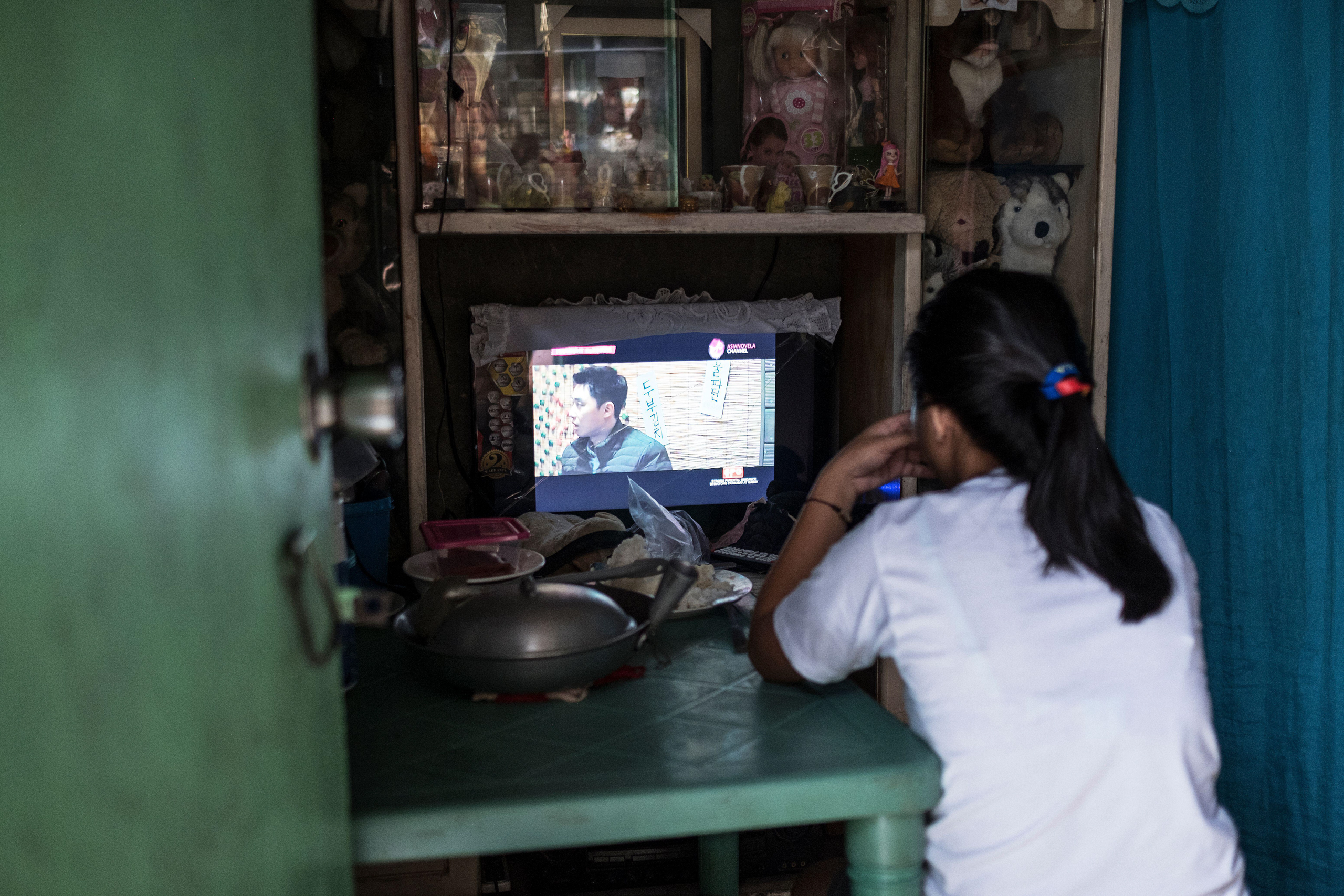
The surge in solar power adoption in the Philippines has left many Filipinos unable to benefit from the technology, despite its potential to alleviate soaring electricity costs. Doctor Fids Salvador Badilles, who installed a solar system in her Las Piñas home, now saves PHP 20,000 (USD 315) monthly. Similarly, café owner Jovi Solomon's 40-kilowatt solar panel system saves her PHP 10,000 (USD 157) monthly.
However, the trend reveals a stark divide between those who can afford solar and those who cannot. Reuters reported a 145% increase in Chinese imports of solar panels from March to May, while Philippine households spend around 12% of their income on electricity. Residential solar capacity accounts for 245 megawatts (MW) of the country's 1,846-MW total, with rooftop installations outpacing larger projects.
Net metering allows solar owners to receive credits for excess energy sent back to the grid. Despite a surge in inquiries to solar companies, many cannot afford the initial investment, with a single solar panel unit costing between PHP 4,000-6,000 (USD 63-94). Sheryl Estella, from New Energy Nexus Philippines, notes that the upfront cost often exceeds several years of a household's electricity expenses.
Urban poor, such as SM-ZOTO president Orly Gallano, struggle to afford solar due to low wages, with their bills accounting for 10-20% of their monthly income. Gallano plans to transition to solar after his dependents finish school.
Written by urgent.news from Dialogue Earth's reporting — not their text. Machine-written — may contain errors; check the original before relying on it.