Nashik: Godavari Water Unfit For Bathing, Pollution Board Flags Water Quality
Nashik: A disturbing picture of pollution in the Godavari has emerged from an inspection conducted by the Maharashtra Pollution Control Board (MPCB). According to the findings, the river water flowing through Nashik is unfit for bathing. The findings have once again brought river pollution into focus, particularly in view of the Nashik-Trimbakeshwar Simhastha Kumbh Mela. Thousands of devotees…
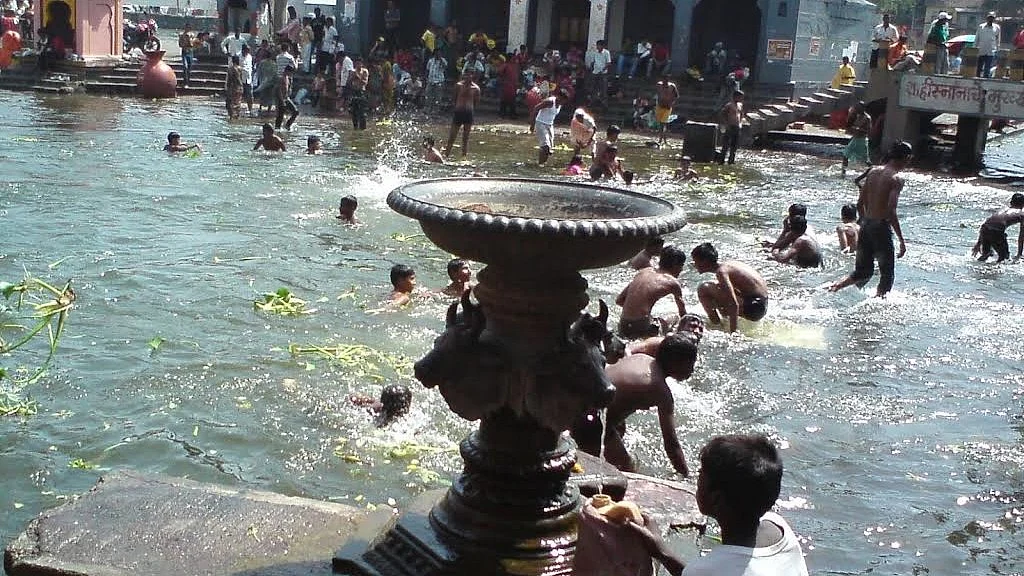
A grim inspection of the Godavari River by the Maharashtra Pollution Control Board (MPCB) has revealed that the water flowing through Nashik is contaminated and unsuitable for bathing. The situation is of particular concern considering the upcoming Nashik-Trimbakeshwar Simhastha Kumbh Mela, which attracts thousands of devotees for ritual bathing and religious ceremonies. With water quality deteriorating, public health risks have become a pressing issue.
Tests conducted on October 5, 2026, showed alarming levels of pollution in the river. Dissolved oxygen, crucial for aquatic life, was recorded at zero at several points along the Godavari, including Tapovan, Dasak, and Takli. This indicates extremely poor water quality that is unfit for any form of human contact.
Biochemical oxygen demand (BOD) levels at the Godavari-Kapila confluence in Tapovan reached 85 mg/l, while chemical oxygen demand (COD) was much higher at 196 mg/l. These figures suggest a significant level of organic pollution in the river. Both greyish water and a foul smell were also observed.
Further analysis revealed concerning faecal contamination levels. Faecal coliform bacteria, which indicate contamination from human or animal waste, were found at 70 most probable numbers (MPN) per 100 ml, while total coliform levels were 280 MPN per 100 ml. Elevated levels of ammonia (4.35 mg/l) and total Kjeldahl nitrogen (10.08 mg/l) were also detected. Exposure to contaminated water can lead to skin infections and waterborne diseases.
The MPCB has issued a show-cause notice to Nashik's Municipal Corporation (NMC) over the discharge of sewage into the Godavari. The corporation has been questioned about its responsibility to ensure the proper collection, treatment, and disposal of sewage. The civic body has been given 15 days to respond and explain why it should not have its bank guarantee forfeited and why it should not face disconnection of electricity and water supply.
The issue of Godavari pollution is currently under consideration by the Bombay High Court, which heard a public interest litigation filed in 2012. The next hearing is scheduled for November 3, 2026. Environmental activists are demanding urgent action to prevent untreated sewage from entering the river, improve sewage treatment plant functioning, control industrial pollution, and ensure regular monitoring of water quality.
The upcoming Simhastha Kumbh Mela poses a significant challenge ahead, as authorities will need to prevent pollution and ensure safe water for ritual bathing.
Written by urgent.news from Free Press Journal's reporting — not their text. Machine-written — may contain errors; check the original before relying on it.