How HomeView foreshadows Apple’s post-app, Siri-first future
As the iPhone grew into an unprecedented success, Apple was marching its users toward millions of downloads to the drumbeat of “There’s an app for that.” Meanwhile, Amazon and Google were flooding homes with waves of TV platforms , smart speakers , and cameras . These products and their underlying connectivity standards formed a deep foundation to support a new generation of AI -driven services…
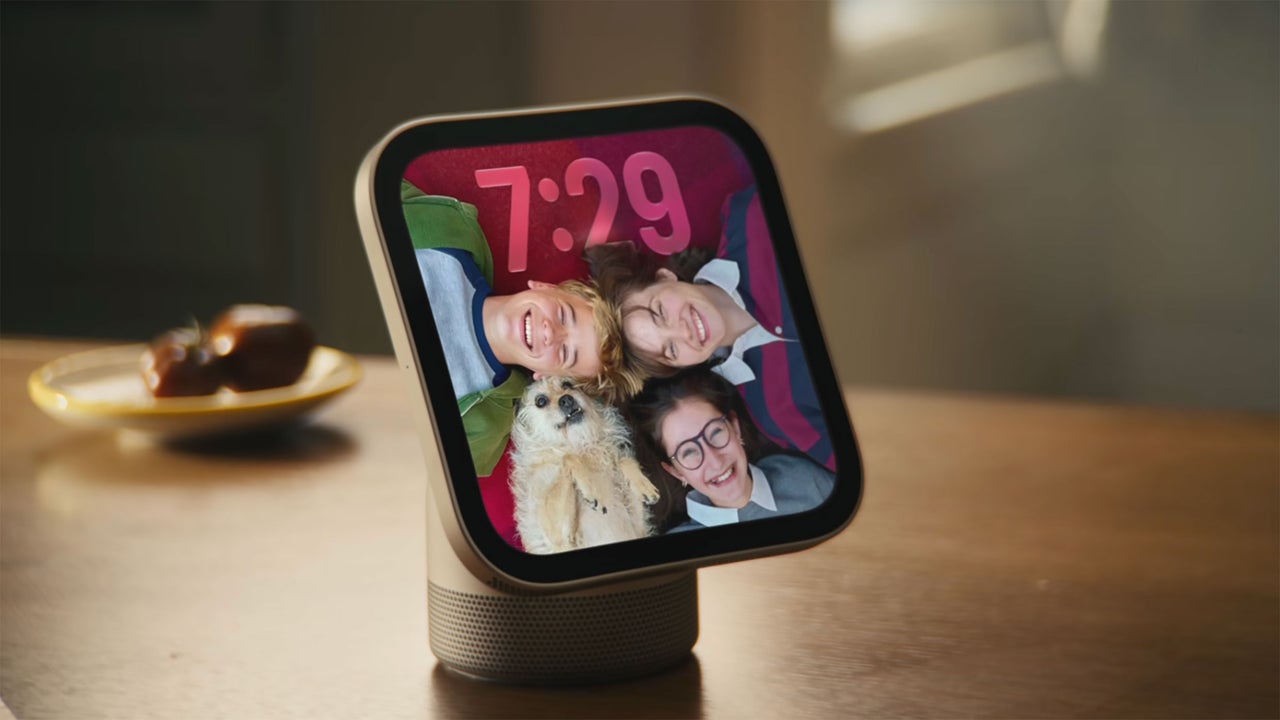
As Apple's iPhone evolved into an unpredictable triumph, the company steered its users towards an avalanche of app downloads, following the mantra "There's an app for that." In parallel, Amazon and Google flooded homes with TV platforms, smart speakers, and cameras, constructing a robust foundation for AI-driven services transcending Google Assistant and Alexa. During Apple's Home product presentation on October 13, the spotlight shifted to HomeView, a touchscreen family hub set to reshape the company's strategy.
HomeView's reimagined Siri and departure from the app-first ecosystem marked a significant departure from traditional methods. The device, with its 1:1 aspect ratio and widget-driven display, may initially resemble a large Apple Watch. However, it can be mounted on a wall or positioned atop an aluminum speaker base, resembling a Mac mini's metallic texture rather than the cozy cloth design of a HomePod mini.
The frenetic three-minute family morning demonstration of HomeView suggests it will deliver a whirlwind of multimodal interactions, diverging from the tap-and-takeaway approach of Apple's wrist computer.
HomeView's platform philosophy draws inspiration from CarPlay, presenting installed apps from the connected iPhone on automakers' dashboard displays. Despite being an independent device, HomeView maintains strong ties to the iPhone, utilizing its personalization and app engine. While Amazon and Google smart screens feature cameras and personalize experiences for identified individuals, Apple's approach enables more dynamic personalization based on iPhone proximity, determining the user of HomeView.
This best-of-both-worlds strategy would benefit Google's Android devices if the company revives its Nest Home displays and improve services like Apple TV and the app-less HomeView.
Written by urgent.news from Fast Company's reporting — not their text. Machine-written — may contain errors; check the original before relying on it.
This story
This is one outlet's version. Read the fullest account.