Guarding the Gates of Knowledge
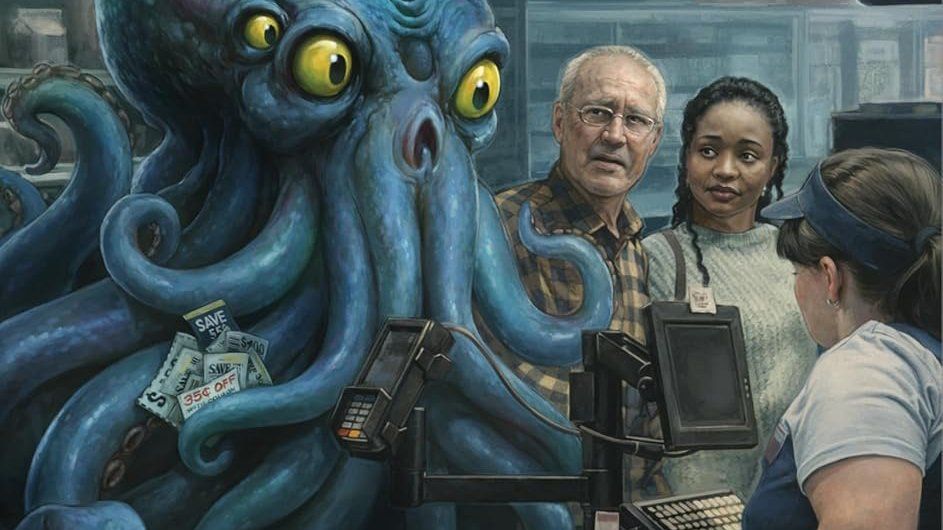
A recent scroll through social media got me thinking about trust. About half my feed was filled with AI slop that astute users would call out as being machine-generated, often to the embarrassment of the rube who unknowingly spread it and sometimes to the delight of the poster who shared it deliberately because they found it amusing or useful for sowing confusion. Remember the good old days of…
In the digital age, the trustworthiness of information has become increasingly scrutinized. Half of social media feeds are filled with AI-generated content, often identified as machine-generated, resulting in embarrassment or amusement. The term "hallucination" has entered the lexicon to describe AI's propensity for producing plausible but false answers. Despite advancements, current AI systems remain unreliable, necessitating a "trust but verify" approach.
The integrity of scientific publications faces a significant challenge as AI-generated papers become more plausible. Freelance writer and doctor of applied mathematics, Benjamin Skuse, experimented with generating AI papers and found it remarkably easy to create content that appeared both plausible and scientific. His findings demonstrated that IEEE's human-review processes and research-integrity checker programs, while effective, are engaged in an ongoing cat-and-mouse game against AI-generated content.
As AI systems become more sophisticated, publishers must continually adapt to detect and combat the rising tide of AI-generated misinformation.
Wikipedia, as a massive repository of human-generated knowledge, also grapples with the issue of AI-generated content. WikiProject AI Cleanup, a volunteer effort, confronts the same challenges as commercial publishers but with limited resources. The rapid evolution of AI technology and the growing sophistication of AI-generated content pose a threat to the reliability of the scientific record and the accuracy of basic facts about the world.
If trust in the scientific record and basic facts is lost, our collective understanding of reality could unravel.
The implications of a world where AI writes for other AIs are profound. It raises questions about the future of human involvement in the scientific process and the role of trust in institutions that curate and advance knowledge. As Strickland noted, a future where AI writes for other AIs could lead to a scenario where humanity is left out of the loop entirely.
Rewritten by urgent.news; may contain errors — check the original.