From Bug Report to Production: How I Fix Bugs with AI
How a QA engineer at inDrive uses AI to investigate bugs, analyze production logs, write fixes, and ship changes to production.
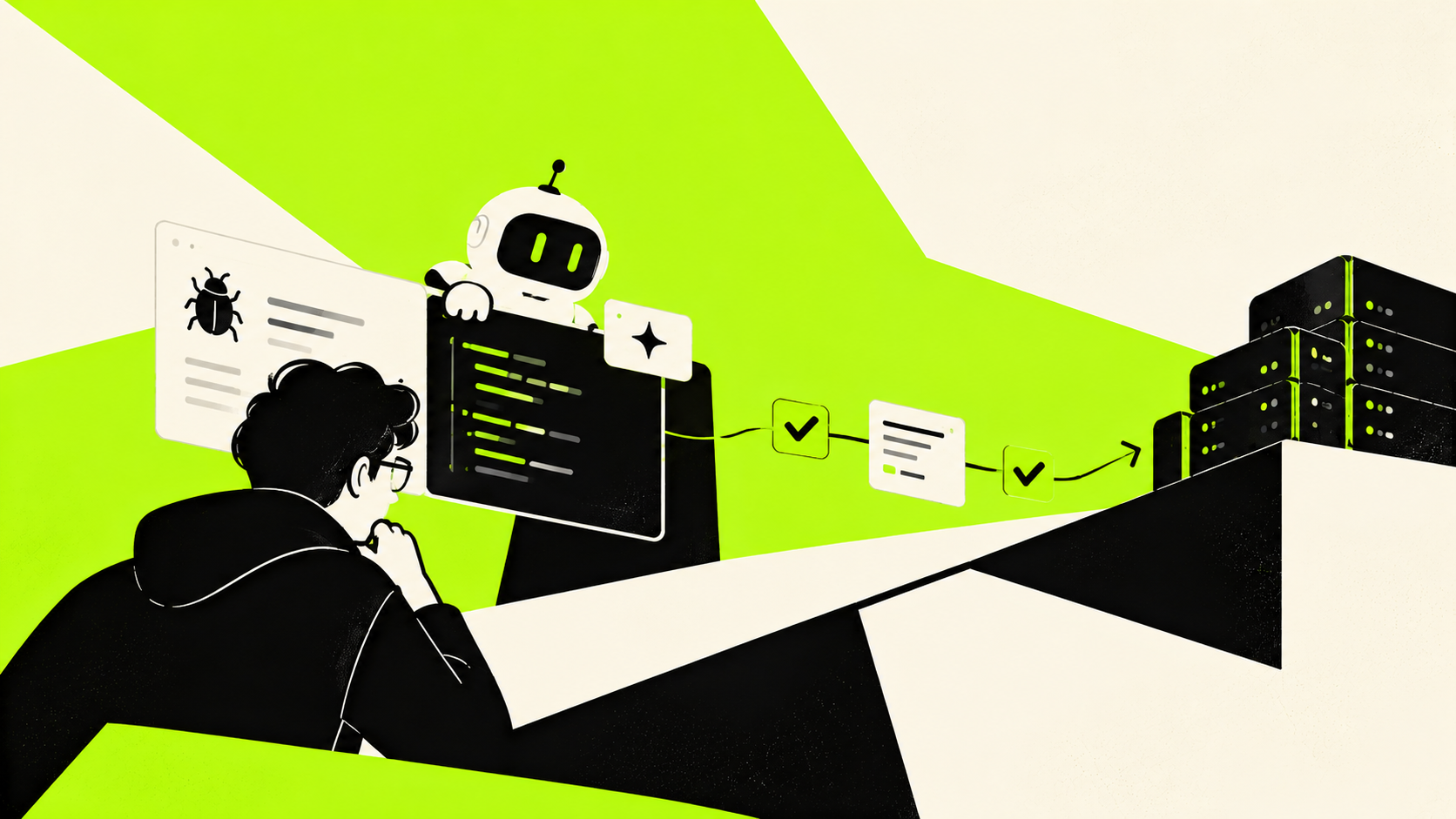
Tim is a QA Engineer at inDrive. One day, while updating tests for new endpoints, Tim encountered a strange issue with a service that rejected requests but later claimed the action was completed. The root cause was an idempotency key that remained reserved even after validation failed. Tim developed a fix, went through code review, and shipped the change. After the release, duplicate-key errors on the affected endpoints decreased by around 30%.
In the past, Tim's bug fixation process typically ended with a detailed report and someone else's fix retesting. However, with the help of AI, Tim can now handle the entire process himself: understanding unfamiliar code, verifying hypotheses against logs, preparing a patch and tests, submitting a review change, and taking it through to release. Nowadays, Tim independently ships an average of three to five small fixes and improvements per week.
There are three levels of this AI-assisted approach: Level 1, Level 2, and Level 3. Level 1 involves adding the results of an AI investigation to bug reports, which saves developers time by providing a verified starting point. Level 2 focuses on prioritizing bugs using production data, analyzing logs and metrics to determine the severity of the issue. Level 3 would involve more extensive automation and integration of AI in the development process.
Written by urgent.news from HackerNoon's reporting — not their text. Machine-written — may contain errors; check the original before relying on it.