Autonomy Is Earned, Not Bought: What AI Agents Actually Do in Business
Autonomy Is Earned, Not Bought: What AI Agents Actually Do in Business Every vendor will sell you a "fully autonomous" workforce. The surveys tell a duller, more useful story: agents are already working in support, sales, finance, and IT — but only where a human still holds the keys to anything that matters. Here's the uncomfortable truth the hype skips: no more than 10% of organisations are…
Every vendor touting "fully autonomous" AI agents exaggerates the reality: human oversight remains essential for anything significant. According to McKinsey's 2025 survey, only around 10% of organizations have scaled agents in a single business function. While 62% are experimenting and 23% are scaling, none have fully entrusted their entire operation to an autonomous agent.
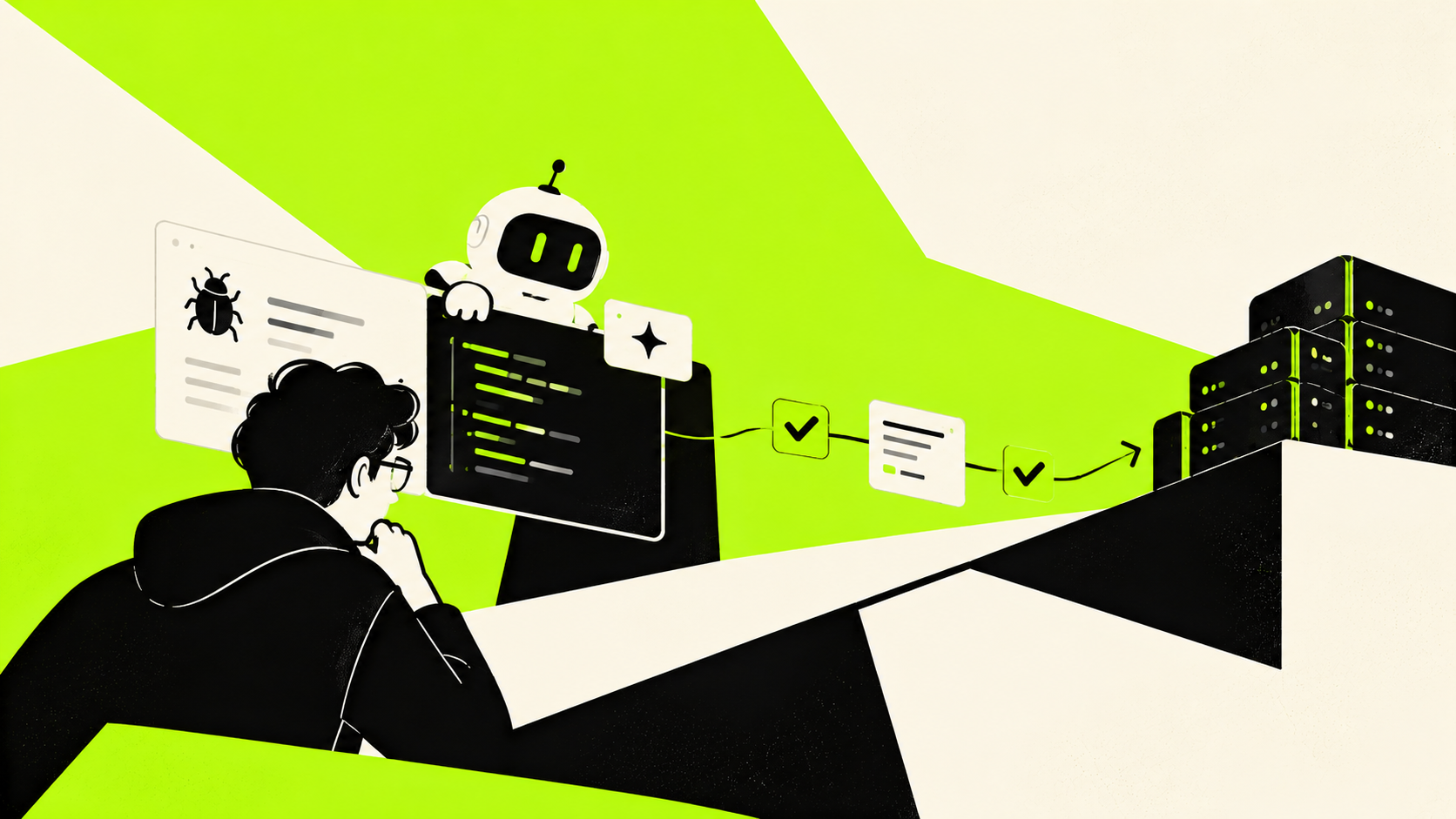
An autonomous agent doesn't simply take over tasks; it must earn its autonomy through supervised deployments. The process is straightforward yet rigorous: the agent perceives a goal, plans the necessary steps, calls on relevant tools, verifies its own work, and escalates exceptions to human operators when needed. The key lies in the permissions granted to the agent - least-privilege access, traceable identities, risk-tied approvals, and comprehensive audit logs.
Without these safeguards, even a diligent agent could inadvertently gain access to critical systems like the CRM or refund policy.
Today, customer service leads the way in autonomous AI deployments, with LangChain's 2026 survey showing a 26.5% adoption rate. These agents handle routine tasks like refunds, replacements, and repairs, then seamlessly escalate complex cases to human agents, providing them with full context to address the issue. Sales agents use AI to research prospects, enrich CRM records, draft outreach, and maintain pipeline organization.
Back-office functions such as invoice matching, exception flagging, supplier coordination, password resets, and incident triage also see autonomous agent use.
While research and data analysis rank second in adoption at 24.4%, they still require human review before any irreversible actions are taken. However, sectors like hiring, credit decisions, medical treatment, and legal commitments remain outside the domain of autonomous agents due to the high stakes and potential for catastrophic errors.
McKinsey's research highlights inaccuracies as the most common negative consequence of AI use, occurring in 30% of instances. A confidently wrong autonomous agent poses a greater risk than one that simply stops and asks for human intervention, as the latter provides a chance to rectify mistakes before they cause harm.
Written by urgent.news from Dev.to's reporting — not their text. Machine-written — may contain errors; check the original before relying on it.