FBI blames North Korea for record $6.3B Binance hack
US agency seeks private-sector help to block further money-laundering of stolen digital assets.
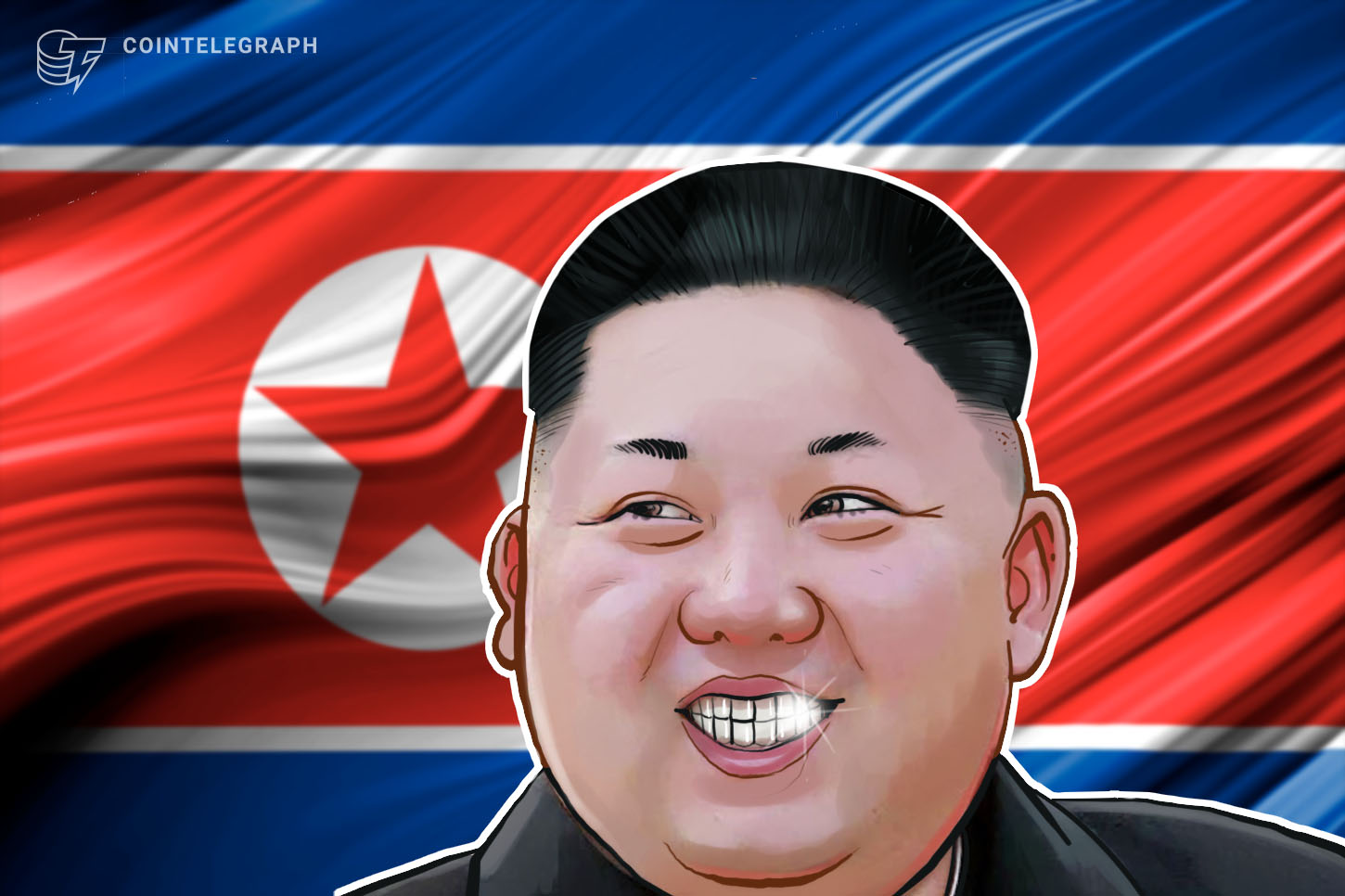
The FBI has accused North Korea, also known as the Democratic People’s Republic of Korea (DPRK), of being responsible for a massive $6.3 billion cyber theft from cryptocurrency exchange Binance. The agency referenced this specific malicious cyber activity as "TraderTraitor" and noted that the North Korean hackers have been converting stolen assets into Ether (ETH).
They expect these assets to be further laundered using decentralized finance (DeFi) and instant swap services. The FBI is seeking assistance from private sector entities such as THORNode operators, RPC node operators, instant exchange platforms, DeFi services, and blockchain analytics firms to block transactions involving these addresses.
North Korea-linked hackers are believed to have stolen around 60% of the value lost in crypto hacks in 2025, with proceeds used to fund the regime's nuclear and ballistic missile programs.
Written by urgent.news from Cointelegraph's reporting — not their text. Machine-written — may contain errors; check the original before relying on it.
This story
This is one outlet's version. Read the fullest account.
- The $6.3bn Binance hack explained — 5 things you need to know techradar.com
- Binance says it has covered 90% of losses from $6.3 billion hack channelnewsasia.com
- FBI accuses North Korea of Binance hack abc.net.au
- Binance says has covered 90% of US$6.3bil hack losses freemalaysiatoday.com
- The FBI attributes the $6B+ Binance hack to North Korea's TraderTraitor hacking group, which the agency also previously blamed for the ~$1.5B Bybit hack (Kevin Whitelaw/Bloomberg) bloomberg.com
- Binance recovers 90 percent of stolen assets from hack thehill.com