Cyclone Murasu | Paddy farmers in Telangana fear crop damage amid high market prices
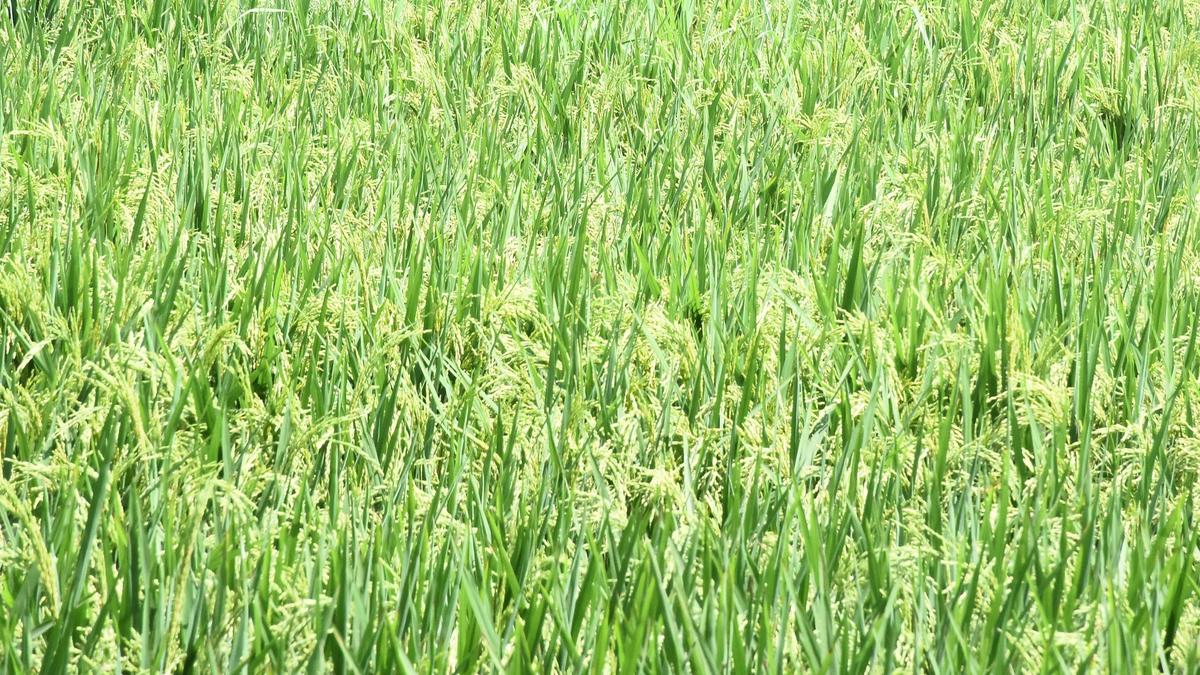
Rain forecast due to cyclonic storm Murasu is causing concern among Telangana's paddy and cotton farmers, as their crops are at various stages of cultivation from November 2 to 4. Wetter conditions may result in increased expenses for farmers, as they will need to hire machines and labor to dry and manage the soaked crops. Pre-flowering stage crops are at greater risk of damage.
Currently, paddy crops are in stages ranging from harvest to pre-flowering, while cotton crops are nearing harvest. At this time, farmers are earning higher prices for fresh paddy crops, ranging from ₹3,500 to ₹4,500 per quintal, compared to ₹2,900 (MSP and ₹500 bonus for fine rice) for dried crops. Cotton farmers may also face similar damage.
Sankranthi Narasiah, a paddy farmer from Lalapuram village, shared that his crops are in different stages, and severe wind and rain could lead to significant losses. Khammam, Mahabubnagar, Nalgonda, Suryapet, Nagarkurnool and Wanaparthy are districts forecast to receive heavy to very heavy rainfall on November 2. Hiring machines for an hour to harvest paddy can cost between ₹2,500 to ₹3,000, and soaked grains take twice as long to harvest, leading to increased labor expenses.
Additionally, dried grains may lose weight, resulting in lower prices. The Telangana Rythu Sangham has warned that the cost of hiring machines for an hour can range from ₹2,500 to ₹3,000. Muralidhar Reddy, a joint secretary of the Sangham, stated that rain for standing crops is detrimental, causing damage. M Sudhakar Reddy, vice-president of the Sangham, added that over-ripe grains fetch lesser prices.
Agriculture officials have issued an alert to farmers and are providing resources like tarpaulin sheets to protect harvested grains. The demand for paddy has increased, and private individuals are picking up produce directly from farms, rather than delivering it to procurement centers. The Mahabubnagar District Marketing Officer, G. Balamani, mentioned that some farmers are spreading grains on tarpaulin sheets instead of drying them on roads.
Written by urgent.news from The Hindu's reporting — not their text. Machine-written — may contain errors; check the original before relying on it.
This story
This is one outlet's version. Read the fullest account.