CII calls for GST-like reforms in land, labour & local approvals
CII has called for extending the GST Council's approach to decriminalise offences in various sectors. This move aims to enhance ease of doing business and attract investments in land, labour, and construction. The organisation emphasizes the importance of simplifying regulatory processes across different government tiers.
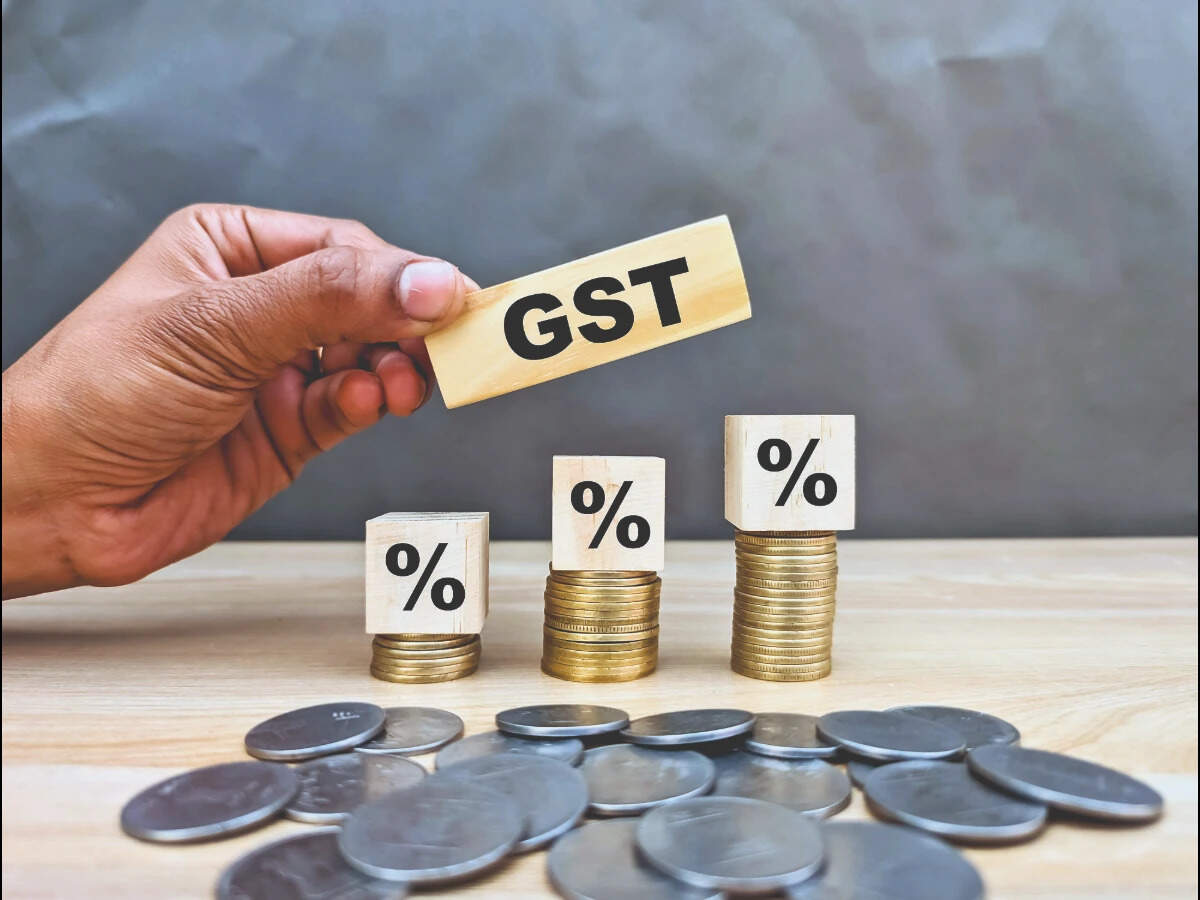
New Delhi: Industry body CII is urging the Centre and states to introduce reforms akin to the Goods and Services Tax Council's approach in dealing with land, labour, construction and local approvals. The CII believes decriminalising certain GST offences could reduce compliance costs and boost investments. The GST Council's decisions at its October 8 meeting signified a move towards trust-based governance and showcased how the Centre and states could collaborate for institutional reforms through consultation and consensus.
To achieve this, the next phase of reforms should concentrate on simplifying land-use regulations, accelerating construction permissions, smoothing labour administration, facilitating utility connections, and reducing the plethora of local regulatory approvals - all of which hinder investment, manufacturing, and enterprise growth.
Businesses frequently encounter overlapping requirements, multiple authorities, and inconsistent procedures across states, leading to higher project costs and extended implementation timelines. Chandrajit Banerjee, CII's director general, emphasized that similar coordination and reform commitment is required across land, labour, construction, utilities, and local permissions to enhance the ease, cost, and speed of doing business.
The GST reforms involved raising the prosecution threshold from ₹1 crore to ₹5 crore, narrowing specific offences under Section 132 of the CGST Act, rationalising imprisonment provisions, and removing arrest powers by omitting Section 69. These changes necessitate legislative amendments for implementation. CII noted that these measures would lessen uncertainty, legal expenses, and reputational risks for businesses, particularly small and medium enterprises (MSMEs) and first-generation entrepreneurs, while still allowing for criminal action against deliberate fraud and evasion.
The clarification and circulars issued following the decision provided greater clarity in tax administration and evidence-based handling of fraud allegations. Coupled with measures on refunds, input tax credit, and compliance simplification, these could enhance working capital efficiency and diminish unnecessary disputes. CII observed that the GST Council's experience offered a blueprint for future reforms, with the main challenge lying in aligning policies and administrative processes across different government levels.
The industry body also appealed to businesses to complement the shift towards trust-based regulation with stronger internal controls, documentation, and voluntary compliance, especially among MSMEs.
Written by urgent.news from The Economic Times - Economy's reporting — not their text. Machine-written — may contain errors; check the original before relying on it.