AI Is Changing the Junior Developer Career Path. Here's How CS Students Can Adapt
AI coding tools are changing how students learn to program. Explore the research and a practical routine for building coding, debugging, and security skills.
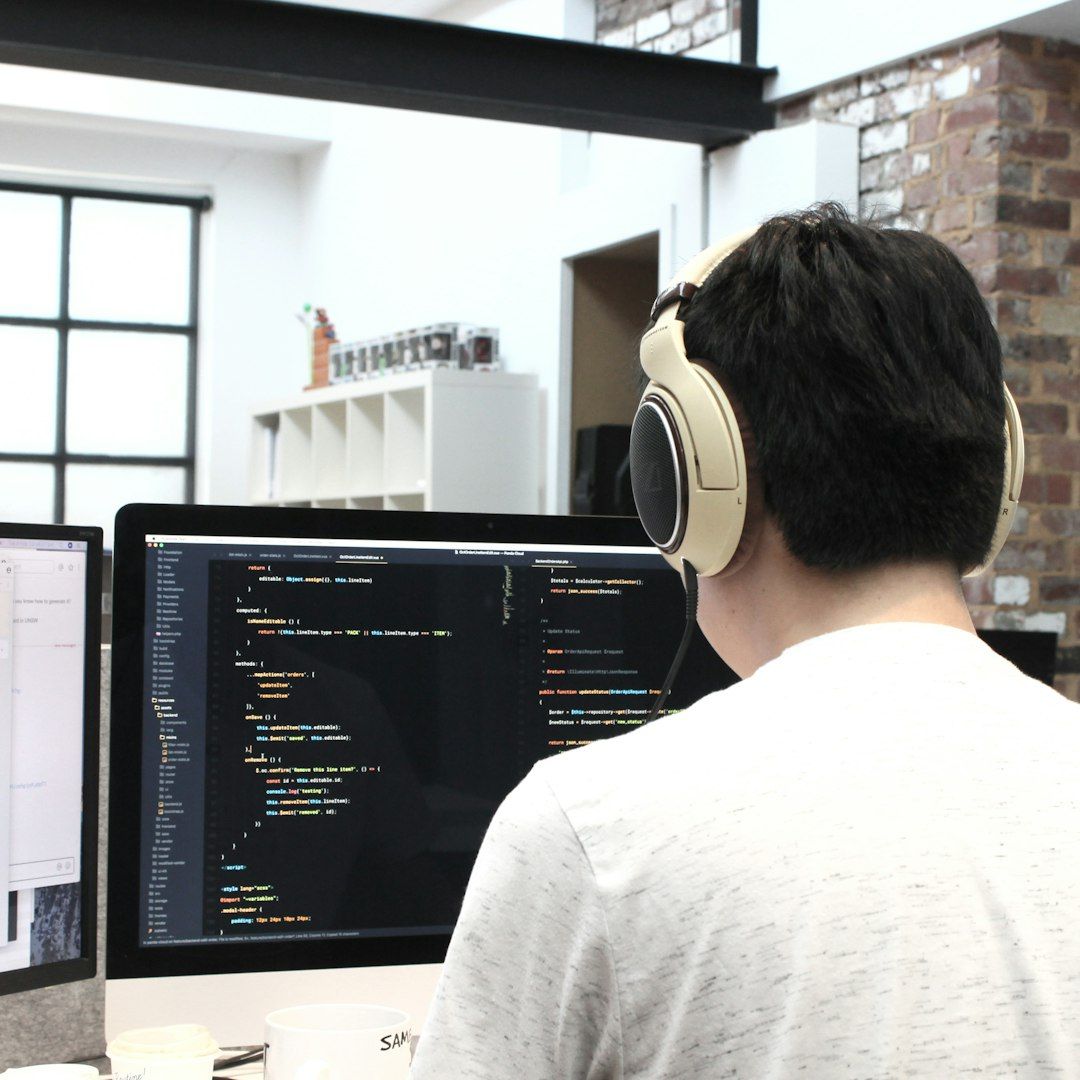
Ten years ago, the standard guidance for a computer science student was straightforward: learn a programming language, create projects, familiarize yourself with relevant frameworks, and apply for junior developer positions. Junior roles served as opportunities to acquire skills and knowledge. However, the emergence of AI coding assistants is challenging this traditional career path.
Modern AI tools don't merely suggest code snippets; they can read an entire codebase, modify multiple files, execute commands, and even retry when tests fail. The routine tasks once consumed a junior developer's initial year are now easily handled by these advanced tools. As a computer science student, the shift is evident every time I interact with AI coding tools, witnessing how they can swiftly scaffold features that once took an afternoon to develop.
Nevertheless, the growing dependency on AI tools has led to a troubling disconnect between working code and a deep understanding of how it operates. This disconnect has prompted me to delve into research and adjust my learning approach. The focus of this article is to explore the evidence surrounding early-career developers in the age of AI and provide actionable advice for computer science students.
Studies conducted by researchers at the Stanford Digital Economy Lab, analyzing payroll data from ADP, the largest US payroll provider, reveal concerning trends. The research indicates that workers aged 22 to 25 in AI-exposed occupations experienced a 16 percent decrease in employment relative to their peers, even after accounting for industry-wide fluctuations.
The most significant impact is observed in occupations where AI is more likely to automate tasks than augment them. For students, this means that the job market for entry-level software developers is becoming increasingly competitive, as fewer opportunities exist for tasks easily automated by AI. The research also emphasizes that the decline in junior developer roles is primarily due to reduced hiring opportunities rather than a decrease in average salaries.
Specifically, software developers, as highlighted by the study, fall into the category of occupations most susceptible to AI-driven automation. Understanding this reality, students must adapt their skill sets to remain relevant and valuable in the job market. A critical aspect of this adaptation involves moving beyond merely generating code and focusing on higher-level skills that cannot be easily replicated by AI.
One pitfall to avoid is the trap of shipping code before fully understanding it. Research involving 52 software engineers learning an unfamiliar Python async library demonstrated that AI-assisted learning resulted in poorer performance on debugging questions compared to those who coded by hand. The AI group completed the quiz about two minutes faster but scored 50% compared to 67% for the manual coding group.
This discrepancy highlights the importance of deeply understanding the code and its underlying principles, rather than simply relying on AI to produce functional code. Another critical issue arises from the fact that AI-generated code may not always be secure. Veracode's testing of multiple language models on various coding tasks revealed that 45 percent of the generated code contained security vulnerabilities.
Notably, Java models had the highest failure rate, with 86 percent failing to prevent cross-site scripting attacks. This finding underscores the necessity for students to develop strong security practices and to critically evaluate AI-generated code for potential vulnerabilities. To remain competitive in the evolving job market, students should focus on developing skills that complement AI tools rather than relying solely on them.
These skills include reading and critiquing code critically, debugging from first principles, understanding security basics, crafting clear specifications, conducting thorough testing, and articulating the reasoning behind design decisions. A practical learning routine proposed in the article involves a four-step process: Sketch, Delegate, Break, Rebuild.
This routine encourages students to first sketch out their project plans manually, delegate tasks to AI tools, deliberately break the code to identify vulnerabilities, and finally rebuild the solution from memory without relying on AI assistance. This structured approach not only fosters a deeper understanding of coding concepts but also hones essential debugging and problem-solving skills.
In terms of portfolio development, employers are increasingly looking for evidence of a candidate's ability to think critically and independently. Simply demonstrating that you can generate code using AI tools is no longer sufficient. To stand out, students should emphasize projects that showcase their ability to design software, write comprehensive test suites, perform security reviews, and maintain meticulous commit histories that illustrate their debugging prowess.
By cultivating these skills and presenting them prominently in their portfolios, students can differentiate themselves in a competitive job market where AI tools are becoming more prevalent. In summary, while AI undoubtedly changes the landscape for junior developers, it does not diminish the need for human expertise and critical thinking in software development.
By leveraging AI as a valuable tool while simultaneously honing essential programming skills, students can navigate the challenges posed by AI and position themselves as highly desirable candidates in the evolving job market.
Written by urgent.news from HackerNoon's reporting — not their text. Machine-written — may contain errors; check the original before relying on it.