A few tech leaders are rebranding AI as ‘superintelligence’ — calling it that doesn’t make it accurate
Tech CEOs are embracing the term “superintelligence,” but using it is misleading since it doesn’t prove their AI has reached that level (yet).
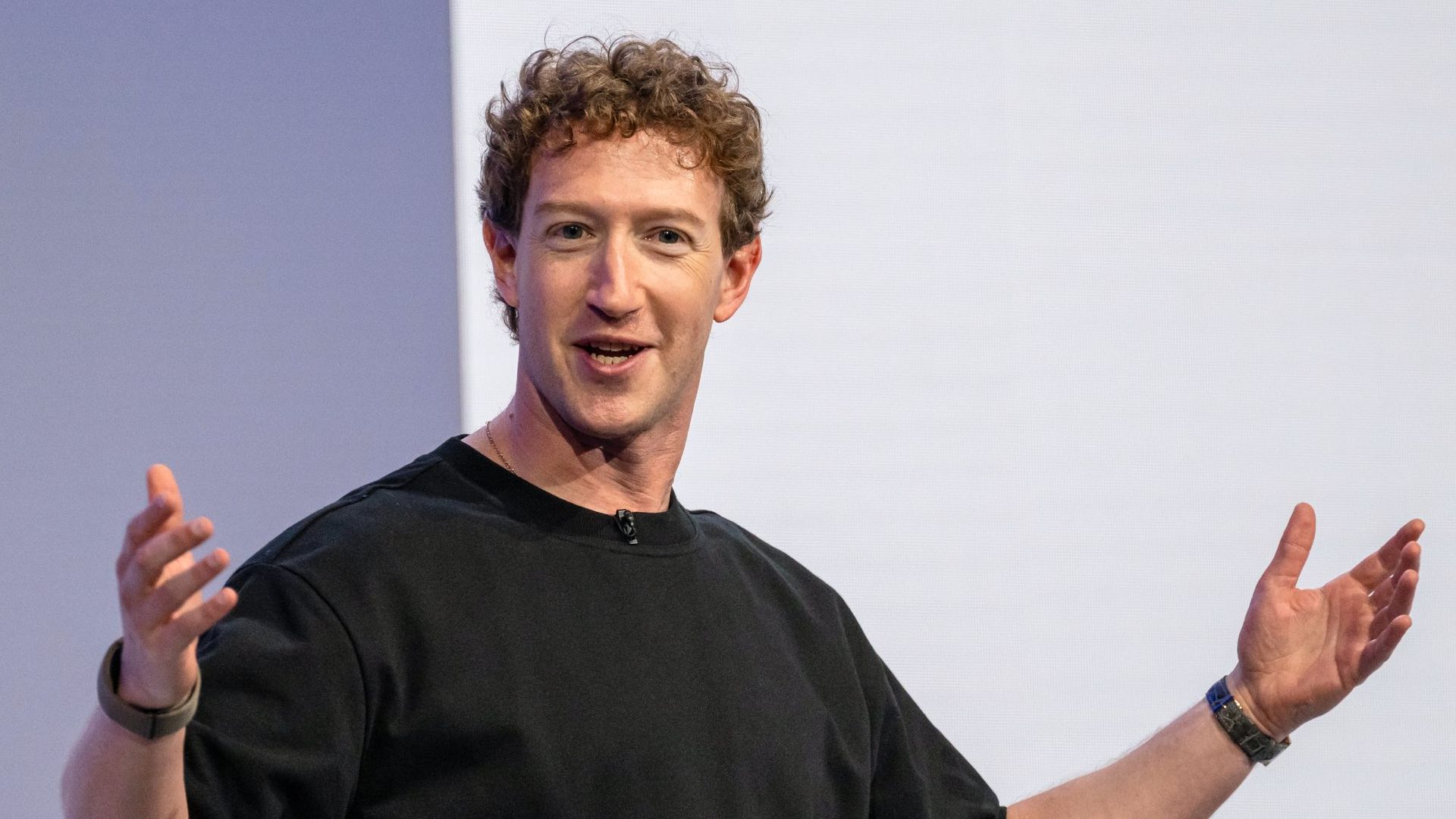
In recent discussions, tech leaders have begun referring to AI as "superintelligence," a term that experts caution may not accurately reflect its capabilities. This shift in language, notably from Meta's Mark Zuckerberg and Tesla's Elon Musk, came shortly after President Trump directed federal agencies to replace the term "artificial intelligence" with "superintelligence."
However, the motivations behind this change—be it aligning with the White House, marketing strategies, or genuine belief—are unclear. Regardless, the term "superintelligence" warrants careful examination, as it carries a promise that its proponents have a vested interest in fulfilling. While companies are free to explore superintelligence, spend significant resources on research, and explain their optimism, they must distinguish between ambition and actual achievement.
Describing an ambitious goal and demonstrating its realization are distinct processes, and readers deserve clear language that differentiates the two. Superintelligence generally refers to AI that vastly surpasses human intellectual capabilities across various domains. This is a substantial claim, suggesting a level of intelligence far beyond current capabilities.
Before accepting such a label, one should question the specific metrics used, the evaluators involved, and the consistency of results beyond controlled conditions. This scrutiny helps ensure that the language accurately represents the system's actual performance. For those relying on AI tools, such as chatbots, the term "superintelligence" can significantly influence trust and reliance.
The perception that a system is "superintelligent" may prompt users to grant it more authority, trust its advice more readily, and depend on it more extensively. This can lead to unwarranted expectations, as real-world AI systems do make mistakes. To mitigate these expectations, it's essential to provide clear, specific information about the tool's capabilities, limitations, and the contexts in which human oversight is necessary.
"Superintelligence" alone does not provide this information; rather, it sets a high bar that requires substantiation. Instead of simply promising superior intelligence, companies should be prepared to demonstrate how they define and verify such an achievement. This includes outlining the processes by which they assess intellectual capabilities and ensuring that these assessments are verifiable by external parties.
It's important to maintain a balanced perspective, acknowledging the advancements and potential benefits of AI while critically evaluating the terminology used to describe it. Skepticism about the term "superintelligence" does not mean rejecting AI's progress. The technology can indeed improve, become more useful, and transform various aspects of work and life.
However, the way companies describe their AI systems should be scrutinized to ensure that their claims are accurate and credible. Ultimately, "superintelligence" adds little value in terms of understanding a product's practical utility or safety. For consumers making decisions about AI tools, concrete and verifiable information about how well the product works, its potential for errors, and the need for human intervention remains crucial.
In essence, while we should encourage progress and acknowledge the transformative potential of AI, we should also maintain a healthy dose of skepticism toward the grand claims made about its capabilities. Only through rigorous analysis and transparent communication can we ensure that AI continues to be a beneficial and trustworthy tool for society.
Written by urgent.news from Tom's Guide's reporting — not their text. Machine-written — may contain errors; check the original before relying on it.