You don't need a Tailscale exit node just to reach devices on your home network
There's a much easier way to maintain access to devices on your home network
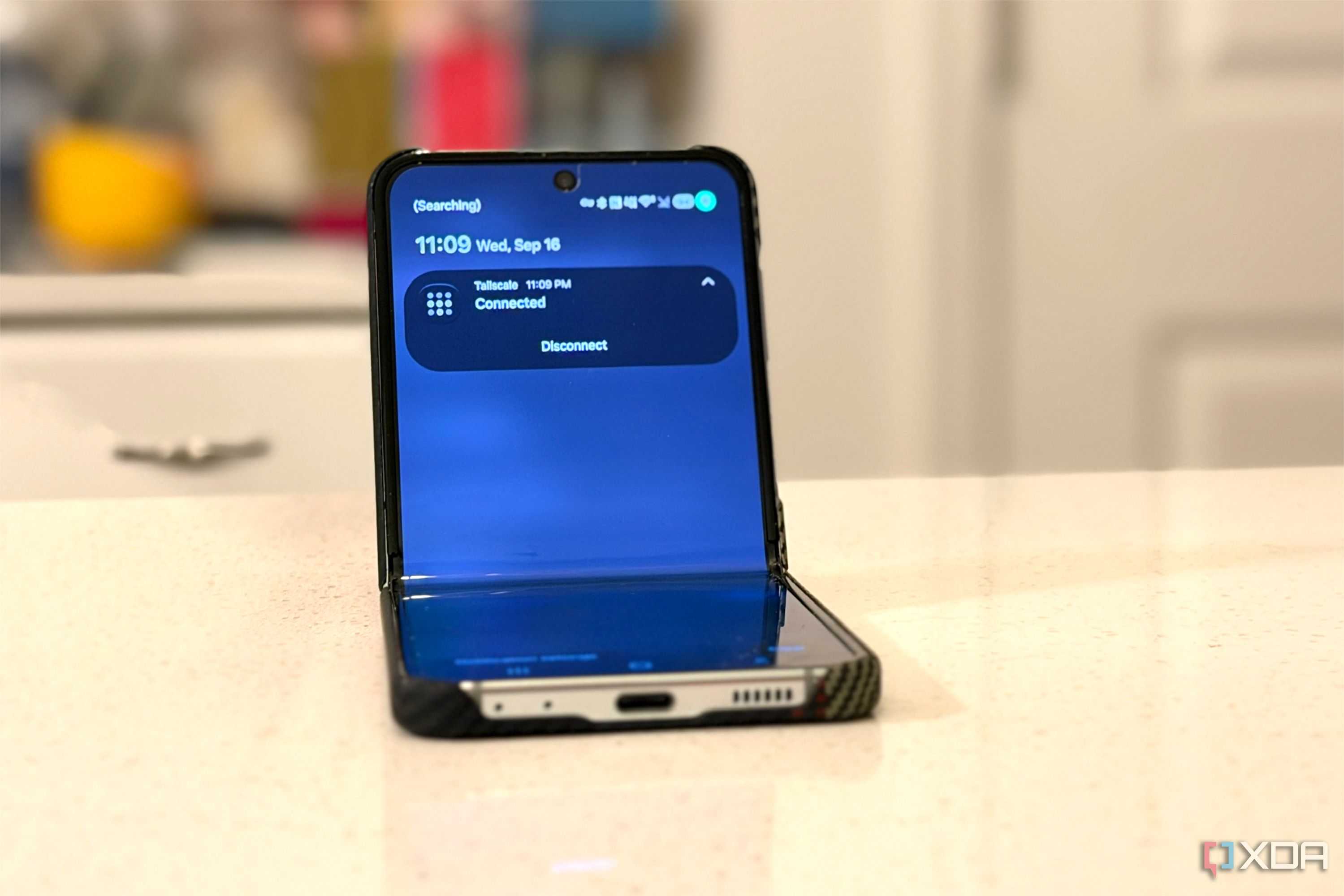
Tailscale presents a simplified method of connecting devices across the internet, much like a magic solution for remote access. However, when attempting to access devices on your home network from an external location, such as a web interface for a service hosted on your NAS or a home security camera, users often encounter difficulties. The common recommendation is to utilize exit nodes, but this may not be the optimal solution.
Tailscale functions as an overlay network upon initial setup, connecting devices running the Tailscale platform while leaving the rest of your internet traffic unaffected. Consequently, devices not part of this Tailscale network, like a printer, remain inaccessible. Exit nodes do alter the routing of internet traffic but do not inherently enhance connectivity to home devices.
For devices unable to install Tailscale, such as printers, subnet routers present a more effective solution. These routers on your Tailscale network advertise a range of local addresses (commonly 192.168.x.x) and forward traffic to this range for the entirety of your Tailscale network. This approach facilitates communication with non-Tailscale devices.
Setting up a subnet router involves selecting a device always active on your network, installing Tailscale on it with the --advertise-routes flag, and approving the route in the Tailscale admin console. Post-setup, Windows, macOS, iOS, and Android clients automatically pick up the new route, whereas Linux clients require the --accept-routes flag.
A potential issue arises when your home LAN and the network from which you're connecting share the same local address space, leading to confusion between local and remote addresses. Choosing a less common subnet range can preempt such complications. Prior to implementing a subnet router, consider whether the device you aim to reach can run Tailscale independently.
Installing it directly affords each device a unique address and MagicDNS name, simplifying management compared to multiple subnets. Additionally, Tailscale supports native installation on various systems like Synology, QNAP, TrueNAS, and Unraid, expanding its applicability.
While exit nodes offer advantages, particularly for accessing services geographically restricted to specific regions, they're not the ideal choice for reaching devices on your home network. The most straightforward method remains installing Tailscale directly on the desired devices. For non-compliant devices, such as printers or certain IoT gadgets, subnet routing emerges as the next best approach. Exiting nodes should be reserved for scenarios where traffic disguise from your home network is necessary.
Written by urgent.news from XDA Developers's reporting — not their text. Machine-written — may contain errors; check the original before relying on it.