We Were Totally Wrong About How Life on Earth Started, Study Suggests
Back to the drawing board? The post We Were Totally Wrong About How Life on Earth Started, Study Suggests appeared first on Futurism .
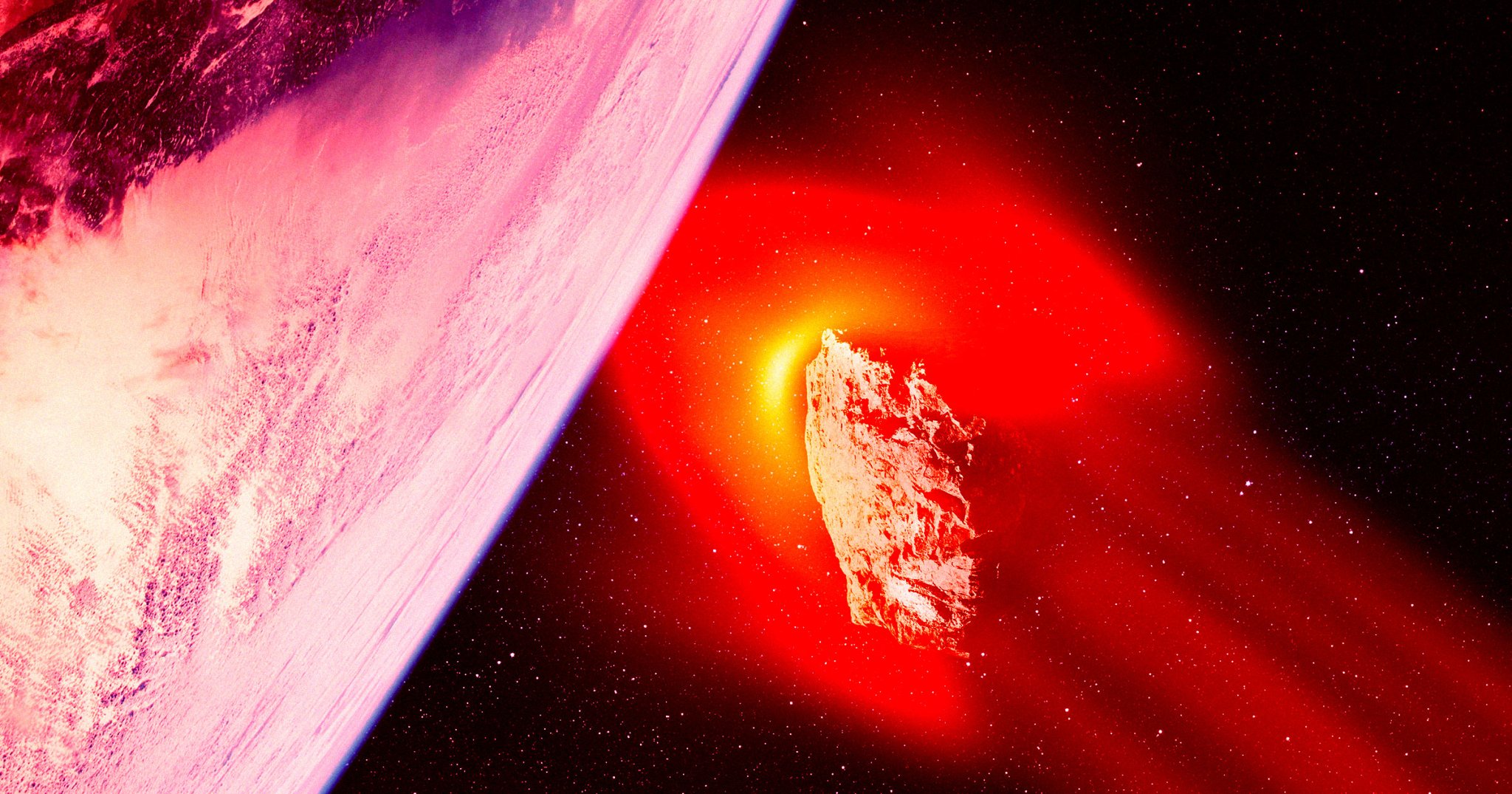
For decades, researchers have theorized that comets delivered vital organic molecules to Earth, potentially jumpstarting life on our planet. However, a new study published in Scientific Reports suggests this notion may be incorrect. Led by the University of Cambridge, a team of scientists found that a comet's rapid entry into Earth's atmosphere is too destructive for organic molecules to survive.
Even if any remnants managed to cling to the ground, they would be incinerated upon impact. Lead author Richard Anslow, a Cambridge astronomer, acknowledged the romantic appeal of this idea but emphasized that the new findings make it highly unlikely. Pseudo-panspermia, the notion that life's building blocks originated from space, has gained traction due to the discovery of organic molecules on comets and asteroids.
However, the new study indicates that the chances of a comet delivering these crucial molecules to Earth without being completely destroyed are extremely slim. Anslow and his team simulated comet entries and focused on hydrogen cyanide (HCN), a common prebiotic molecule found in comets. Their simulations showed that HCN would require a perfect combination of factors—speed, angle of impact, concentration, and timing—to survive and contribute to the origins of life.
The likelihood of this occurring is likened to a "one-in-a-million" occurrence. Even if any HCN molecules did manage to survive, they would likely not be sufficient to provide the necessary concentrated feedstock for prebiotic chemistry. While the study doesn't definitively rule out the possibility of life being seeded by comets on other planets like Mars, the researchers suggest that the likelihood is lower on Earth compared to the more amenable conditions on Mars.
Written by urgent.news from Futurism's reporting — not their text. Machine-written — may contain errors; check the original before relying on it.