Valle d’Aosta, vendemmia 2026: qualità e produzione resistono al caldo record e alla siccità
Cinquecento ettari vitati e una produzione annua che oscilla tra 1,8 e 2 milioni di bottiglie. Il 50% di queste ultime destinate al mercato regionale, un’altra quota importante a quello...
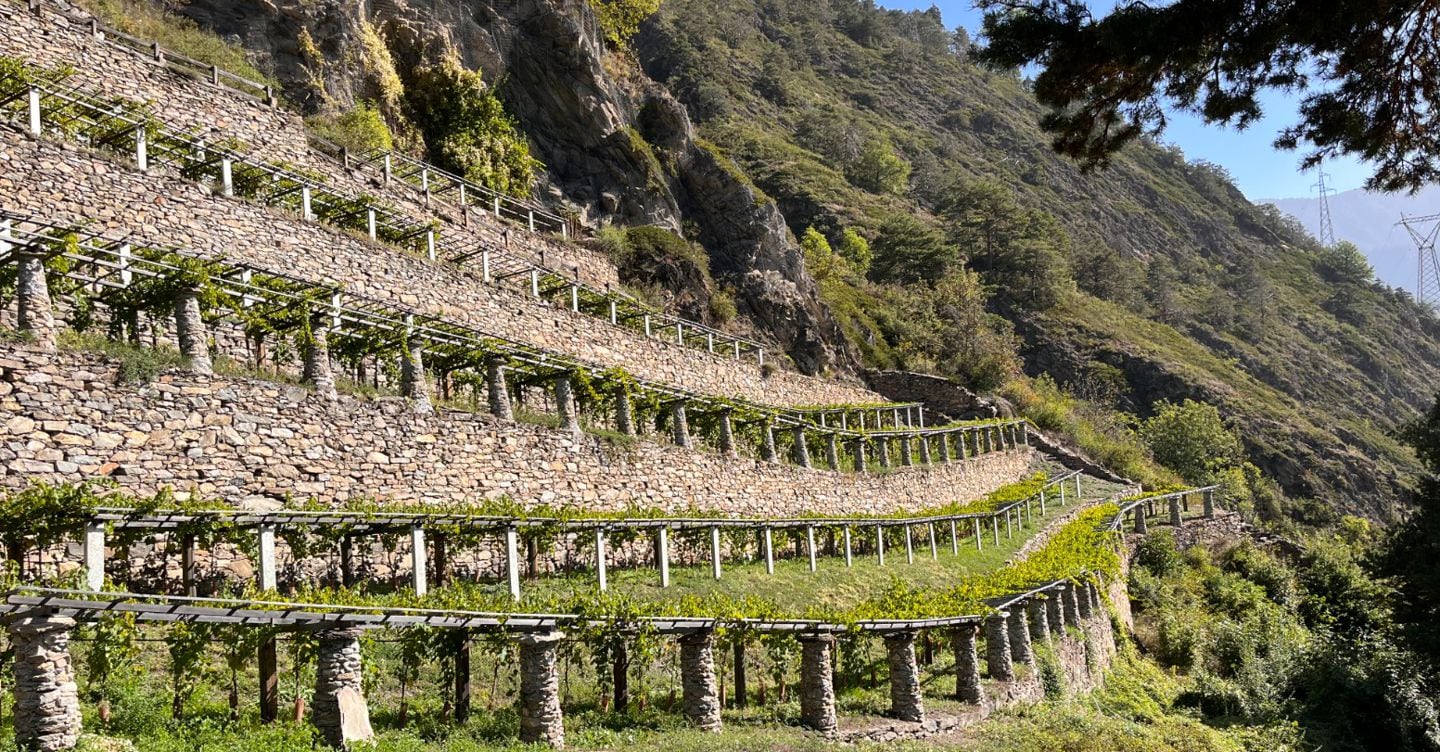
A Valle d’Aosta, the 2026 wine harvest managed to thrive despite record heat and drought. The region boasts 500 hectares of vineyards that produce between 1.8 and 2 million bottles annually, with 50% of this sold regionally, a significant portion exported, and the remainder sold domestically. Despite the challenging growing conditions, the quality and quantity of the harvest remained high.
Vintners attribute the success to hardworking, skilled farmers who often work on steep slopes, sometimes logging up to 700-800 hours per hectare - far more than the 150 hours typical in Italian vineyards. Andre Gerbore, president of Cave des Onze Communes, reported that the harvest matched 2025's figures, with only a slight decrease in late-variety grapes.
Alessandro Jans, president of Caves de Donnas, praised the "above expectations" harvest in terms of both quantity and quality. Hervé Grosjean, a producer with a family-owned business dating back to 1600, noted that after a very dry and hot period, the latter part of the harvest experienced cooler temperatures and a particularly interesting temperature range.
The common theme among the vigneti in Valle d’Aosta was the extraordinary effort required due to the climate. Gerbore explained that the harvest began on August 27th with whites and concluded on September 27th with reds. Caves de Donnas and Grosjean Vins similarly started their harvest two weeks earlier than usual.
Both Jans and Gerbore agreed that freshness and mineral qualities are crucial for the terroir. However, Grosjean warned that 2026's harvest remains complex due to the climate's impact, requiring constant vineyard monitoring. The region's irrigation system, when available, proved vital for maintaining optimal grape conditions during the hot and dry summer months.
Written by urgent.news from Il Sole 24 Ore's reporting — not their text. Machine-written — may contain errors; check the original before relying on it.